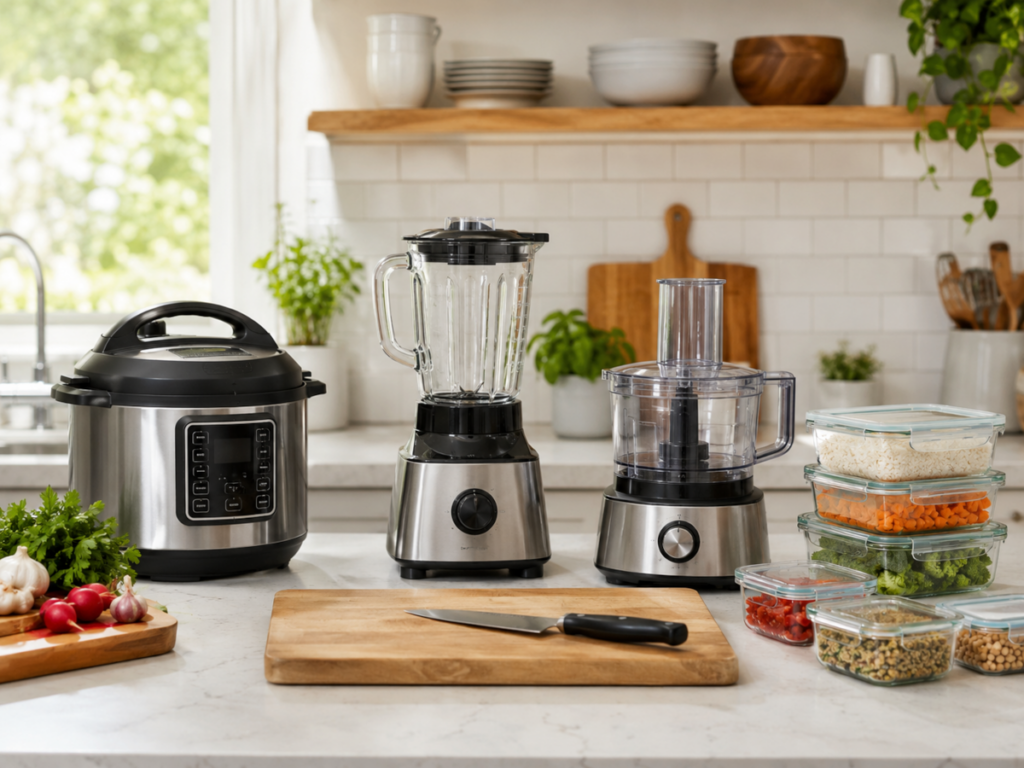
A low-lectin kitchen does not need to resemble a laboratory or a showroom full of expensive appliances. Most people need a small group of dependable tools that remove friction from the parts of this lifestyle that tend to become tiring, such as pressure-cooking legumes, peeling vegetables, removing seeds, preparing fresh meals, and storing safe food for busy days.
The right equipment changes the daily experience. A recipe that once felt like a two-hour project becomes something you can prepare while answering email, cleaning the kitchen, or relaxing after work. Safe ingredients stop spoiling in the refrigerator. Emergency meals become easier to assemble. You spend less time wrestling with food and more time eating it.
There is also a scientific reason to care about cooking tools. Lectins are carbohydrate-binding proteins found throughout the plant world, but their activity differs greatly by plant, variety, preparation method, and cooking conditions. The clearest food-safety concern involves raw or undercooked legumes, especially red kidney beans. Proper soaking and high-temperature cooking can dramatically reduce active lectins. The FDA advises soaking kidney beans for at least five hours, discarding the water, and boiling them in fresh water for at least 30 minutes.
For people following a broader low-lectin plan, kitchen tools are not magical detox devices. They simply make established preparation methods faster, more consistent, and easier to repeat.
The Electric Pressure Cooker Earns the Top Spot
The electric pressure cooker is the workhorse of a low-lectin kitchen. Pressure cooking combines heat, moisture, and pressure in a sealed environment. This allows foods to cook at temperatures above the normal boiling point of water. For dried legumes, that intense cooking environment offers something a slow cooker often cannot provide, especially during the early stages of cooking.
Research consistently shows that soaking and boiling reduce active lectins in commonly eaten plant foods, with legumes showing the highest activity among the foods tested. Pressure cooking gives home cooks a controlled way to apply strong heat without standing over a pot.
That does not mean every bean belongs in every low-lectin diet. Some people avoid legumes completely during an elimination period. Others later test pressure-cooked lentils, chickpeas, or beans in modest portions. Individual tolerance still matters.
The pressure cooker is also useful far beyond legumes. It can prepare tender meats, shredded chicken, bone broth, soups, stews, cauliflower mash, and batch-cooked vegetables. Tough cuts of meat soften quickly, which makes affordable proteins more practical. A large batch can become several different meals instead of one repetitive dinner.
Buy a model with a stainless-steel inner pot rather than relying on a permanently coated insert. A six-quart size works for most households. An eight-quart cooker makes more sense for large families, major batch-cooking sessions, or frequent broth preparation. Consistency is the real advantage. Once you establish a cooking time that works, you can repeat it with little guesswork.
A High-Powered Blender Makes Sauces Possible Again
Commercial sauces often hide ingredients that do not fit a low-lectin plan. Added sugar, soybean oil, corn-derived thickeners, gums, pepper products, and vague flavor blends can appear in foods that look harmless from the front label. A strong blender gives you control.
Roasted cauliflower can become a creamy soup base. Fresh herbs, olive oil, garlic, lemon, and approved nuts can become pesto. Cooked vegetables can be blended into sauces that provide moisture and flavor without relying on tomatoes or seed-heavy peppers. Coconut milk can be turned into dressings, soups, and dairy-free sauces in minutes.
Texture matters more than people expect. A meal can contain excellent ingredients and still feel unsatisfying when everything is dry, plain, or chewy. Homemade sauces help a restricted menu feel like normal food.
A high-powered blender is especially useful for people who struggle with fibrous textures during periods of digestive sensitivity. Blending does not automatically make every food appropriate, but it can change the physical texture and make certain cooked vegetables easier to eat.
You do not need the most expensive model on the market. Look for a sturdy motor, a container that is easy to clean, replacement parts that are readily available, and enough power to blend cooked vegetables and nuts smoothly.
The Food Processor Handles the Repetitive Work
A blender excels at liquids. A food processor handles solid preparation. Low-lectin cooking often requires more work with fresh ingredients. Vegetables need chopping. Herbs need mincing. Cauliflower may need turning into rice. Nuts may need grinding into meal. Chicken may need shredding for salads, wraps, soups, and snack plates.
Doing all of that by hand is manageable for one meal. Repeating it several times each week becomes exhausting. A food processor can shred cabbage, slice vegetables, chop herbs, prepare cauliflower rice, make nut-based crusts, and combine meatball mixtures. It can also help produce homemade dips and spreads with a thicker texture than a blender typically creates.
This tool becomes especially valuable during weekly meal preparation. Ten minutes of processing can create containers of chopped vegetables that support several lunches and dinners. The machine does not merely save minutes. It reduces the number of decisions and physical steps standing between you and a safe meal. A medium or full-size processor is usually more useful than a tiny chopper. Small units are fine for garlic and herbs, but they quickly become frustrating when preparing family-size portions.
A Sharp Vegetable Peeler Is a Daily Essential
The humble vegetable peeler may be the least glamorous tool on this list, but it gets used constantly. Many low-lectin approaches emphasize removing the skins and seeds from selected vegetables, especially nightshades such as tomatoes, peppers, and eggplant. The scientific literature does not establish that peeling every vegetable is necessary for everyone, and the location and activity of lectins vary by plant. This practice is better treated as an individual preparation strategy rather than a universal law.
Still, a good peeler makes experimentation easier. It can remove tomato skins after blanching, peel eggplant, clean asparagus stalks, create zucchini ribbons, and strip tough outer layers from vegetables. A dull peeler turns this simple job into an irritating chore. A sharp one moves quickly and removes less edible flesh.
A Y-shaped peeler works well for large vegetables and people who prefer a wider grip. A straight swivel peeler offers more precision around curves. Many kitchens benefit from having both, especially since neither costs much. Replace peelers when they become dull. They are not family heirlooms.
A Fine-Mesh Strainer Removes More Than Water
A fine-mesh strainer supports several low-lectin preparation methods. It can rinse soaked foods, strain broth, separate seeds from sauces, wash small vegetables, drain cauliflower rice, and remove fibrous material from blended soups. It is also handy for rinsing canned foods when those foods fit your personal plan.
Soaking alone produces only modest reductions in lectin activity for many pulses, while cooking provides the stronger effect. One study found that soaking reduced measured lectin levels by relatively small percentages across several pulse varieties. The strainer still plays a useful supporting role because it makes it easy to discard soaking water and rinse food before cooking.
Choose a strainer with a sturdy frame and a handle that does not flex under the weight of wet food. Very cheap mesh can separate from the rim or distort after repeated washing. For people who prepare tomato sauces, berry sauces, or smooth vegetable purees, a food mill is a useful companion. It separates skins and seeds while creating a more natural texture than a blender.
A Reliable Chef’s Knife Reduces Kitchen Fatigue
Fresh-food diets become miserable with a bad knife. A sharp chef’s knife cuts vegetables cleanly, trims meat efficiently, and makes meal preparation feel controlled rather than chaotic. A dull knife requires more pressure, crushes ingredients, slips more easily, and makes every chopping session take longer.
The best knife is not necessarily the most expensive. It should feel balanced in your hand, fit your grip, and hold an edge reasonably well. An eight-inch chef’s knife suits most adults, while a six-inch model may feel more comfortable for smaller hands or limited counter space. Pair it with a large cutting board that stays firmly in place. A board that slides across the counter is unsafe. Place a damp kitchen towel underneath it if needed.
Regular honing helps maintain the cutting edge, but honing does not replace sharpening. A professional sharpening service once or twice a year may be simpler than learning to use whetstones. Good knives save energy. That matters on days when cooking already feels like one task too many.
Sheet Pans Turn Ingredients Into Meals
A heavy sheet pan is one of the simplest tools for building low-effort dinners. Place a protein on one side, approved vegetables on the other, add a stable cooking fat and seasonings, then roast everything together. Chicken thighs with broccoli, salmon with asparagus, or lamb meatballs with cauliflower can become complete meals with little cleanup.
Sheet-pan cooking also helps prepare ingredients for later use. Roasted garlic can flavor dressings. Cooked cauliflower can become mash or soup. Roasted vegetables can be added to eggs, bowls, salads, or side dishes throughout the week.
Look for heavy, rimmed aluminum or stainless-steel pans that resist warping. Thin pans tend to buckle at high temperatures. Parchment paper can make cleanup easier, although direct pan contact may produce stronger browning. Owning two pans is better than constantly washing one between batches. It also allows food to spread out rather than steam in an overcrowded pile.
An Instant-Read Thermometer Removes Guesswork
A low-lectin lifestyle often increases home cooking, which means handling more raw meat, poultry, seafood, and leftovers. An instant-read thermometer adds a layer of confidence without requiring culinary instinct.
Color alone is not a dependable sign that meat is safely cooked. A thermometer lets you verify the internal temperature within seconds. It also helps prevent overcooking, which is useful because dry chicken and chalky fish can make any eating plan harder to sustain. The same tool can check reheated casseroles, soups, meatballs, and batch-cooked foods. This is particularly helpful when frozen portions are thick or unevenly shaped.
Choose a digital model with a thin probe, quick response time, and numbers large enough to read over a hot pan. Clean the probe after each use and avoid leaving an instant-read thermometer inside the oven unless it is specifically designed for that purpose.
Glass Storage Containers Protect Your Future Meals
Meal preparation fails when storage is treated as an afterthought. Glass containers let you see what is available, reheat food without transferring it to another dish, and keep prepared ingredients organized. Clear containers reduce the chance that cooked food will disappear behind condiments until it becomes a science project.
A useful system includes several small containers for sauces and snacks, medium containers for lunches, and larger ones for batch-cooked proteins or vegetables. Matching lids prevent the familiar kitchen ritual of searching through twenty lids that fit nothing.
Freezer-safe containers are particularly valuable. Freeze shredded chicken, soup, broth, meatballs, cooked greens, or cauliflower mash in realistic portions. One giant frozen block is not convenient. Single-meal portions are.
Label each container with the food and date. Masking tape and a permanent marker work fine. The goal is not a picture-perfect refrigerator. The goal is knowing what you have before hunger pushes you toward a food that does not fit your plan.
A Vacuum Sealer Helps Bulk Cooking Pay Off
A vacuum sealer is not essential, but it becomes valuable for people who buy meat in bulk, prepare large batches, or lose food to freezer burn. Proteins can be divided into meal-size portions before freezing. Cooked meat can be sealed for later use. Herbs and prepared ingredients can be preserved longer than they would survive in a loosely closed freezer bag.
The machine also supports a practical rotation system. Date the packages, stack newer foods behind older ones, and use the oldest portions first. This prevents the freezer from becoming a frozen archive of unidentified objects.
Reusable vacuum containers offer another option for people who do not want to use disposable bags. They cost more initially but work well for refrigerated foods and ingredients used frequently.
A Small Kitchen Scale Supports Repeatable Meals
A kitchen scale is often associated with calorie counting, but that is not its only purpose. It can help you repeat recipes, divide batch-cooked food evenly, measure flour alternatives, portion nuts, and track individual tolerance during food reintroduction. “A handful” changes every day. Thirty grams does not.
Precise portions are particularly useful when testing a questionable ingredient. If a person eats a small measured portion without symptoms, the test provides more useful information than eating an unknown amount mixed into a complicated meal.
The scale also improves baking with almond flour, coconut flour, cassava alternatives, and other specialty ingredients. These flours absorb moisture differently, and volume measurements can vary depending on how tightly the flour is packed. A basic digital scale with gram and ounce settings is enough. Fancy nutritional databases are optional.
The Best Tool Is the One That Removes Your Biggest Obstacle
Not every kitchen needs every appliance. A person who never eats legumes may use a pressure cooker mainly for meat and broth. Someone who dislikes blended foods may get more value from a food processor. A household that already cooks daily may benefit most from better storage rather than another machine. Start with the point where your routine keeps breaking.
If chopping stops you from cooking, improve the knife and cutting board. If weeknight meals fall apart, add sheet pans and freezer containers. If sauce ingredients keep causing trouble, buy a blender and make your own. If properly preparing legumes feels too complicated, use an electric pressure cooker with repeatable settings. Build the kitchen around the food you actually eat, not the fantasy version of yourself who spends every Sunday preparing twelve flawless meals in matching containers.