When to Pause Reintroductions
Reintroductions can feel like the exciting part of an elimination diet. After days or weeks of simplifying meals, reading labels carefully, and eating in a more controlled way, it is natural to want answers.


Reintroductions can feel like the exciting part of an elimination diet. After days or weeks of simplifying meals, reading labels carefully, and eating in a more controlled way, it is natural to want answers.
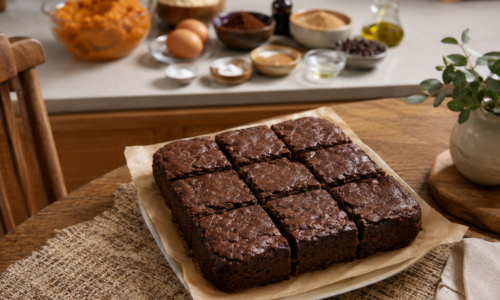
There is something almost rebellious about a brownie that begins with a sweet potato.
Flare-up days have a way of shrinking the whole world down to one question: “What can I eat that will not make this worse?”
One of the trickiest parts of living low-lectin is learning that not every reaction announces itself loudly at the dinner table. Sometimes the body does not respond like a light switch.
In health writing, the phrase “double-blind study” often gets treated like the gold seal of truth. It sounds clean, strict, and almost courtroom-level reliable.
Digestion is often described as something that happens after we eat, as if the body simply receives food and gets to work.
Nutrition science has always had a frustrating little problem hiding in plain sight: people are not identical. One person can eat a bowl of beans and feel satisfied, energized, and regular.
Walking into the grocery store for the first time after deciding to go low-lectin can feel strangely dramatic. The same aisles you have walked through for years suddenly look different.
Food is never just chemistry. It is memory, fear, comfort, routine, culture, expectation, and biology all arriving on the plate at the same time. That is one reason dietary change can feel so powerful.
Anyone who has tried to understand their digestion knows how easy it is to blame the last thing they ate. A bowl of soup feels fine on Monday, then a similar meal seems to cause bloating on Thursday.
The gut does some of its quietest work while the rest of the body is winding down. Long after the last bite of the day, the digestive tract is still sorting, signaling, cleaning, repairing, and preparing for the next cycle of food.
Comfort food is rarely just about food. It is memory, routine, family, weather, stress relief, and the kind of meal that tells your nervous system, “You can relax now.”
A low-lectin lifestyle becomes much easier when your pantry quietly supports you before hunger starts making decisions.
There is a quiet moment many people reach in a low-lectin lifestyle where they begin to wonder whether they are doing something wrong. They were eating carefully. They were choosing familiar foods.