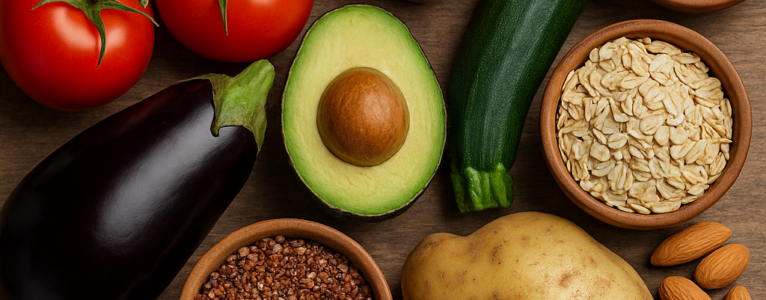
When “Healthy Foods” Are Triggers: Unexpected Lectin Sources
For many people, the idea of eating healthy feels straightforward. Choose whole foods, favor plants, avoid excessive sugar and processed ingredients, and everything should fall into place.

For many people, the idea of eating healthy feels straightforward. Choose whole foods, favor plants, avoid excessive sugar and processed ingredients, and everything should fall into place.
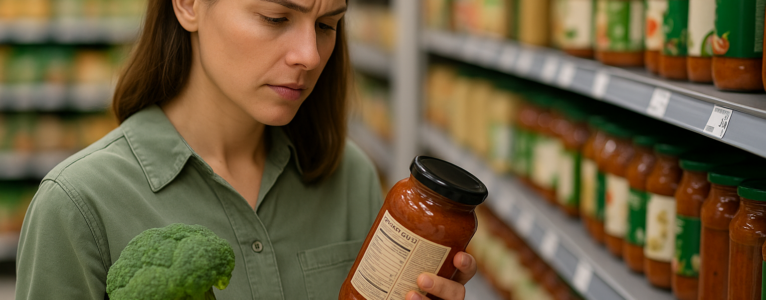
For many people adopting a low-lectin lifestyle, the biggest surprise is not giving up obvious foods like beans or wheat. It is realizing how often lectins appear in places you never expected.
When people first shift toward low lectin eating, they usually focus on the obvious swaps. They rethink bread, beans, nightshades, and the usual “quick” staples.
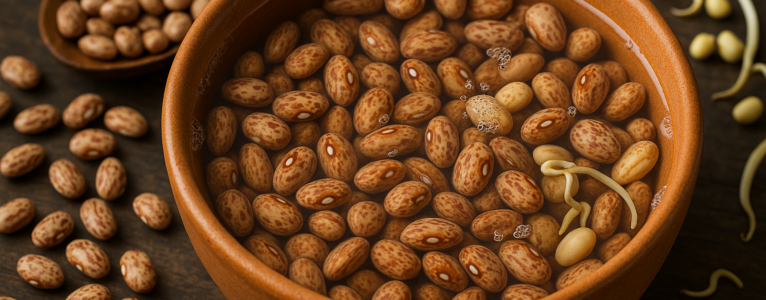
Sprouting grains and legumes has been practiced for thousands of years, long before nutrition science had the tools to explain why it worked.
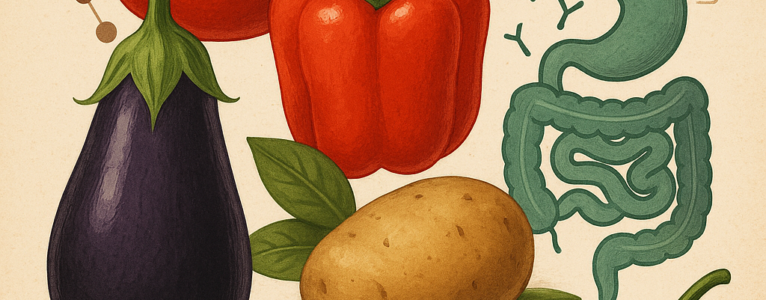
Nightshades are some of the most familiar and widely consumed foods in the modern diet. Tomatoes, potatoes, peppers, and eggplants appear across cuisines, cultures, and comfort foods alike.
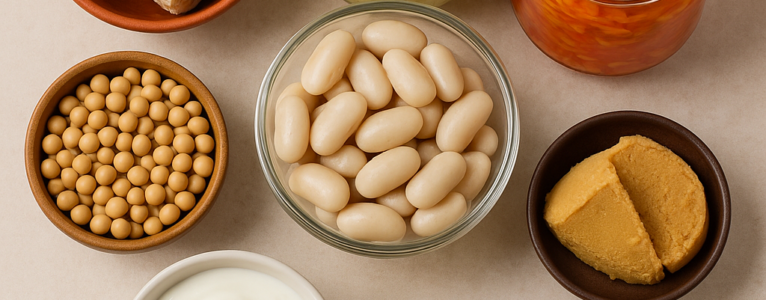
Fermentation is one of the oldest food preservation methods known to humanity, yet it continues to surprise modern researchers with how profoundly it reshapes the chemistry of what we eat. When it comes to high lectin foods, fermentation does something especially interesting. It transforms ingredients that may trouble sensitive individuals …
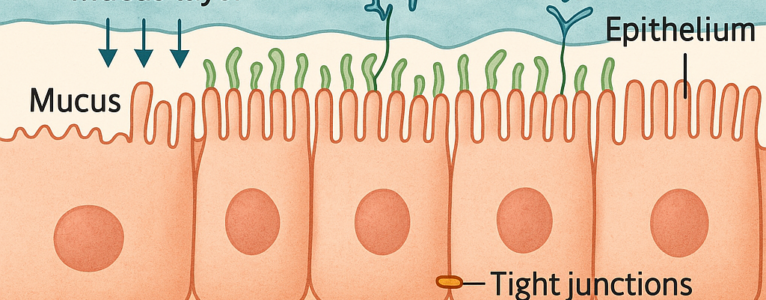
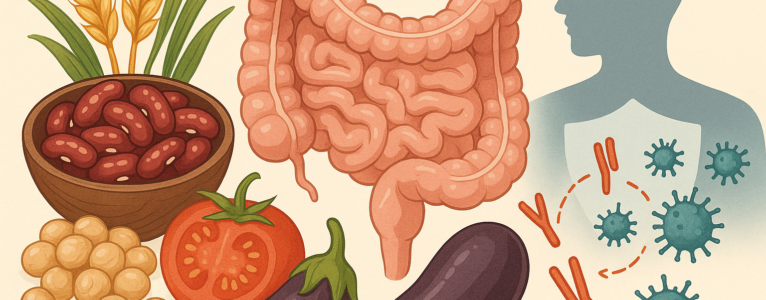
The moment food enters the body, a series of microscopic exchanges quietly begins. Most of these interactions are harmless and routine, fueling the body with nutrients that pass through cells without incident.
Many people arrive at low lectin eating feeling hopeful, motivated, and relieved to have found a possible explanation for their lingering symptoms.
Many people think about hydration as a single daily goal. You either drink enough water or you do not. But timing plays a powerful role in how the body utilizes fluids.
For many people exploring a low lectin or lectin cautious lifestyle, the nightshade family becomes one of the earliest puzzle pieces to examine.
For generations, soaking has been part of traditional food preparation. Long before home cooks ever heard the word lectin, people were soaking beans overnight, rinsing grains before cooking, and softening nuts in water until they loosened and swelled.
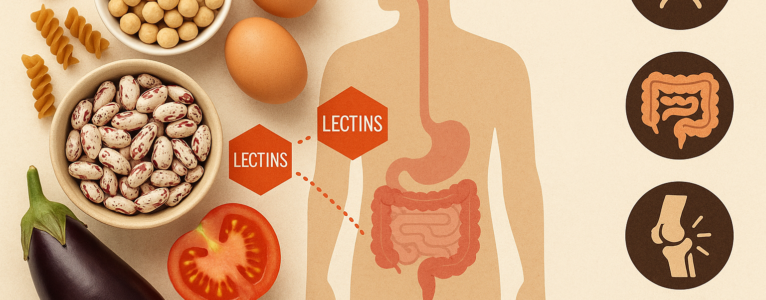
Lectins have become one of the more debated food compounds in recent years, not because they suddenly appeared in the human diet, but because people are beginning to notice that these natural proteins don’t affect everyone the same way.
Autoimmune diseases have a way of reshaping a person’s life slowly and silently. One morning it’s stiff joints. Another day it’s unexplained fatigue.

Most people imagine lectins as something you can spot with the naked eye; big, bold, obvious. A pot of beans simmering on the stove. A plate of tomatoes glistening with olive oil.
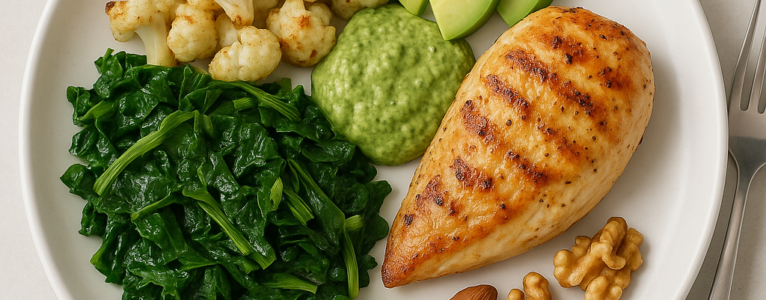
Dinners are where most people feel the pressure. Breakfast can be simple, lunch can be leftover-driven, but dinner carries emotional weight, the ritual of settling in, feeding the body after a long day, and feeling like you “did your diet right.”