Tracking Energy vs. Tracking Pain
A food and symptom journal can become one of the most useful tools in a low-lectin lifestyle. It can also become a daily reminder of everything that hurts.

A food and symptom journal can become one of the most useful tools in a low-lectin lifestyle. It can also become a daily reminder of everything that hurts.
The grocery cart changes quickly once someone begins eating low-lectin. Familiar budget staples may no longer fit the plan.
A food and wellness journal can become one of the most useful tools in a low-lectin lifestyle. It can also become a convincing record of things that never actually happened. That sounds harsh, but the problem is real.
Some dinners solve a problem before the first bite ever reaches the plate. They do not require a pile of specialty ingredients, three mixing bowls, or an hour of cleanup. They do not depend on a complicated sauce to create flavor.
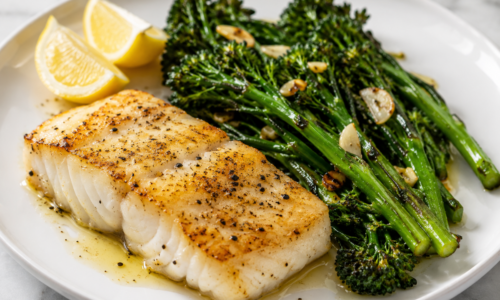
Some dinners try too hard. They pile on sauces, starches, garnishes, and enough ingredients to turn a weeknight meal into a kitchen project. Pan-seared cod with sautéed broccolini takes the opposite approach.
Parents rarely struggle because they cannot identify a technically acceptable snack.
A pot of chicken soup has always carried a certain kind of promise. It suggests warmth, rest, and a meal that does not ask much from the person eating it. Traditional bone broth, however, often asks quite a bit from the cook.
Some dinners earn their place in the weekly rotation because they are fast. Others stay because they are comforting. Pasture-raised pork chops with braised red cabbage manage to be both.
Some dinners earn a permanent place in the weekly rotation because they are inexpensive, satisfying, and nearly impossible to get tired of. Crispy chicken thighs with roasted cauliflower belong in that category.
Some dinners feel heavier than the work required to make them. A cutting board fills with scraps, three pans compete for space, and the sink looks punished before anyone has taken a bite.
Starting a low-lectin lifestyle can make an ordinary grocery store feel strangely unfamiliar.
A low-lectin meal plan can look expensive and exhausting from the outside.
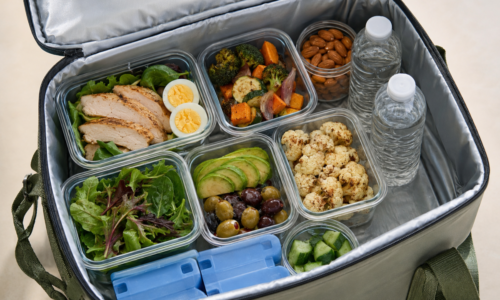
Travel has a habit of exposing every weak spot in a food routine. A delayed flight becomes a bag of chips. A long drive turns into a fast-food stop.
Dairy often becomes one of the most confusing parts of a low-lectin lifestyle. Some people remove it immediately, assuming every milk product belongs on the same avoidance list.
A low-lectin kitchen does not need to resemble a laboratory or a showroom full of expensive appliances.