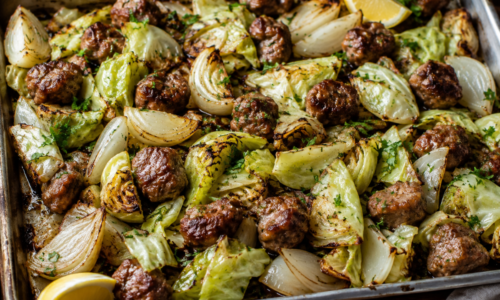
One Pan Pork Sausage & Cabbage
Some dinners earn a permanent place in the rotation because they solve several problems at once.

Some dinners earn a permanent place in the rotation because they solve several problems at once.
Some of the most useful low-lectin meals are not the ones with the longest ingredient lists.
Some meals earn a regular place in the kitchen because they are impressive. Others earn it because they solve a problem.
Many nutrition questions are difficult to study directly in humans.
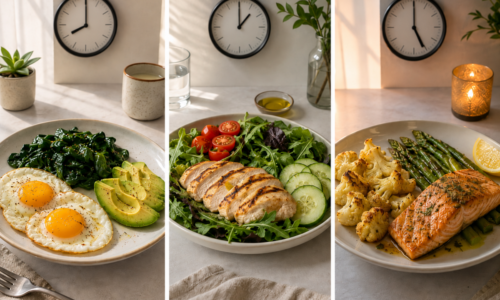
Evening meals have a different job than breakfast or lunch.
A symptom log becomes far more useful once it stops being a diary of bad days and starts becoming a record you can compare.
Some meals earn a permanent place in the rotation because they solve several problems at once.
The first month of low-lectin eating rarely unfolds exactly as planned.
A busy week can wreck a carefully planned way of eating faster than almost anything else. Work runs late. Appointments pile up. The refrigerator looks strangely empty by Wednesday.
Some dinners earn a regular place in the kitchen because they solve several problems at once.
Nutrition headlines often arrive with impressive numbers attached. Eating a certain food may be associated with a higher disease risk. Another food appears protective.
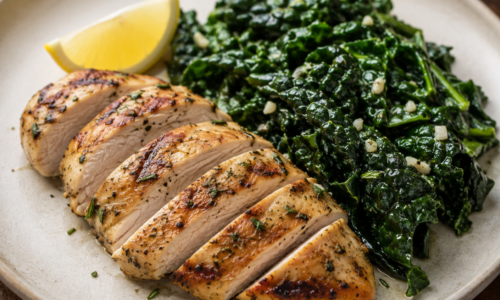
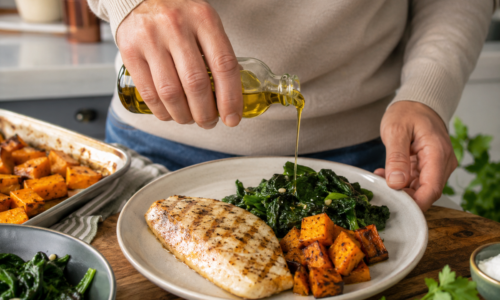
Some dinners earn a regular place in the kitchen because they are exciting. Others stay because they work. Pasture-raised chicken breast with garlic kale falls into the second category.
Macro tracking sounds simple until a person tries to combine it with a low-lectin lifestyle.
Hunger can become strangely unreliable. Some people wake up with no interest in food, coast through the morning on coffee, forget lunch, and then feel ravenous after dinner.
Turkey has been trapped in the holiday category for far too long. Most people picture a massive bird, an overcrowded oven, and several hours of stressful temperature checking.