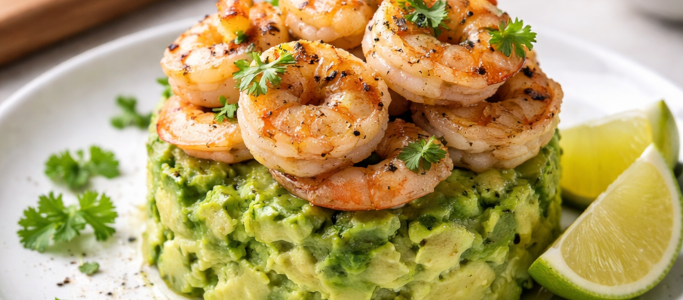
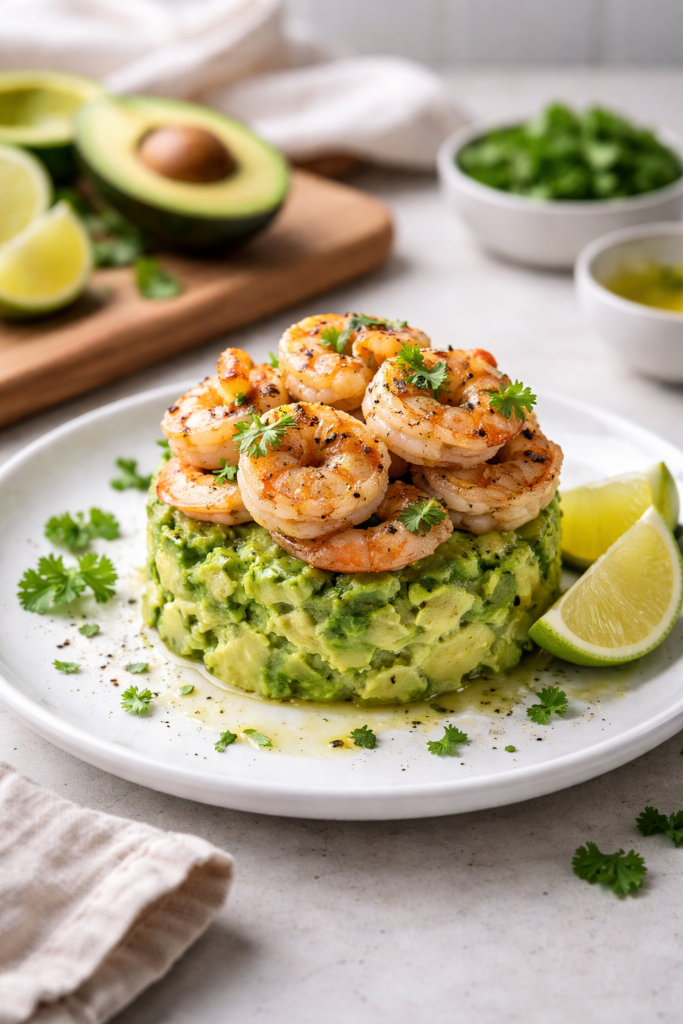
There is something quietly powerful about a simple plate of food done right. Not complicated. Not overbuilt. Just clean ingredients, prepared thoughtfully, and layered in a way that respects both flavor and function. The avocado and wild-caught shrimp stack is one of those dishes. At first glance, it feels like something you might order at a coastal restaurant. Light, fresh, almost indulgent. But underneath that presentation is a deeper narrative about how we choose our food, how we prepare it, and how those choices interact with the body.
For anyone exploring a low-lectin lifestyle, meals like this represent more than just a recipe. They represent a shift. A move away from heavily processed, lectin-dense foods and toward ingredients that are easier on digestion while still delivering satisfaction. This dish is not about restriction. It is about clarity.
Understanding the Ingredients Beyond the Plate
To understand why this stack works so well, it helps to look at its core components through a lectin-aware lens.
Shrimp, especially when wild-caught, is naturally low in lectins. Unlike many plant-based proteins that come with a built-in lectin defense system, seafood does not rely on lectins in the same way. That makes it a reliable option for those who are trying to reduce lectin exposure without sacrificing protein intake. Wild-caught shrimp also tends to have a cleaner nutritional profile compared to farmed varieties, which may be exposed to additives or feeds that introduce other variables.
Avocado, on the other hand, is one of the rare plant foods that fits comfortably into a low-lectin approach. It is nutrient-dense, rich in healthy fats, and generally well tolerated. It also provides a creamy contrast that balances the firmness of shrimp. From a physiological standpoint, those fats can help support satiety and stabilize energy levels, which becomes important when someone is transitioning away from higher carbohydrate, lectin-heavy diets.
Then there is lime juice and cilantro. These are not just flavor additions. Lime juice contributes acidity that can enhance digestion and brighten the entire dish, while cilantro adds both freshness and a subtle complexity. Herbs and citrus are often overlooked in nutrition discussions, but they play a significant role in making clean food enjoyable enough to sustain long-term habits.
The Preparation Process as a Lectin Strategy
What makes this dish particularly aligned with a low-lectin lifestyle is not just what goes into it, but how it is prepared.
Shrimp benefits from simple cooking methods. A quick sauté, a light grill, or even a gentle poach preserves its texture and avoids unnecessary complication. Overcooking shrimp can make it rubbery, but more importantly, it can diminish the clean, delicate profile that makes it so appealing in the first place.
Avocado requires no cooking at all. That alone removes a layer of concern that often comes with lectin-heavy foods that must be soaked, pressure-cooked, or fermented to become more tolerable. The simplicity here is part of the appeal.
The stacking itself is more than presentation. When you layer ingredients intentionally, you control how each bite comes together. You are not just mixing flavors randomly. You are creating a balanced experience where fat, protein, acidity, and freshness all meet in a single forkful. That kind of balance is not accidental. It mirrors what the body tends to respond well to.
Why Simplicity Matters More Than Ever
Modern diets are often built on convenience. Packaged foods, fast preparation, and long shelf lives. But convenience frequently comes at the cost of complexity in the ingredient list. Additives, preservatives, and lectin-rich fillers become the norm rather than the exception.
A dish like the avocado and shrimp stack pushes back against that trend. It is simple, but not simplistic. Each ingredient has a purpose. There is no need for fillers or artificial enhancements because the natural qualities of the food are allowed to stand on their own.
This is where many people begin to notice a shift in how they feel. When meals become less about processing and more about composition, digestion often becomes more predictable. Energy levels can stabilize. That does not mean every symptom disappears overnight, but it creates a foundation that the body can work with rather than against.
The Role of Freshness in Digestive Comfort
Freshness is often discussed in terms of taste, but it also has implications for how the body responds to food. Fresh shrimp, properly handled and cooked, is far less likely to introduce variables that can irritate the digestive system. The same is true for fresh avocado, lime, and herbs.
When food sits, degrades, or is heavily processed, it can develop compounds that the body must work harder to process. While this is not always harmful in small amounts, it adds up over time, especially for individuals who are already sensitive.
In a low-lectin lifestyle, reducing unnecessary strain on the digestive system becomes a priority. Fresh, minimally processed meals help achieve that goal without requiring extreme measures.
A Brief Note on Portion and Balance
Even with low-lectin foods, balance still matters. It can be tempting to lean heavily into foods that feel safe and overconsume them. But the body thrives on variety and moderation.
A well-constructed shrimp and avocado stack naturally encourages portion awareness. The richness of avocado and the protein content of shrimp create a sense of fullness without the need for large quantities. This makes it easier to eat until satisfied rather than until overly full.
That distinction may seem small, but over time it can influence everything from energy levels to metabolic health.
Building the Stack at Home
While the concept may sound restaurant-level, the actual process is approachable. Start with high-quality shrimp. If possible, choose wild-caught and avoid heavily treated or pre-seasoned options. Cook the shrimp simply, using olive oil or another stable fat, and season lightly with salt.
Slice ripe avocado and gently mash or layer it, depending on your preference. Add freshly squeezed lime juice directly onto the avocado to prevent browning and to infuse flavor. Chop cilantro finely and incorporate it either into the avocado layer or as a topping.
Stacking can be done using a simple mold or even freehand. The goal is not perfection. It is cohesion. Each layer should support the others both visually and structurally.
What you end up with is a dish that looks elevated but is grounded in straightforward technique.
Avocado and Wild-Caught Shrimp Stack: Layered with Lime Juice and Cilantro
Ingredients
- -- For the shrimp --
- 1 lb wild-caught shrimp (peeled and deveined, tails off)
- 1 tbsp olive oil (or avocado oil)
- 1/2 tsp sea salt
- 1/4 tsp black pepper
- Optional: pinch of garlic powder (if tolerated)
- -- For the avocado layer --
- 2 ripe avocados
- Juice of 1 lime
- 1/4 tsp sea salt
- 2 tbsp fresh cilantro, finely chopped
- -- For garnish (optional but recommended) --
- Extra cilantro
- Lime wedges
- Drizzle of olive oil
Instructions
- Cook the Shrimp. Heat a pan over medium heat. Add olive oil. Place shrimp in a single layer. Season with salt and pepper. Cook about 2–3 minutes per side until: Pink, Opaque, Slightly firm. Don’t overcook. Remove from heat and let cool slightly.
- Prepare the Avocado Base. Cut avocados in half, remove pits. Scoop into a bowl. Add Lime juice, Salt, Chopped cilantro, Mash lightly with a fork. You want texture, not guacamole soup. Keep it slightly chunky.
- Build the Stack. You’ve got two options here: Option A: Clean Stack (Using a Mold). Use a small bowl, ramekin, or food ring. Add avocado mixture as the base layer. Press gently. Add shrimp layer on top. Press lightly again. Flip onto a plate and lift the mold. Option B: Rustic Stack (Freehand), Spoon avocado onto plate. Shape into a mound. Layer shrimp neatly on top. Same taste, just less “restaurant presentation.”
- Finish It. Sprinkle extra cilantro on top. Add a light squeeze of lime. Optional drizzle of olive oil. Optional Add-Ons (Low-Lectin Friendly)
The Psychological Shift of Eating This Way
One of the less discussed aspects of dietary change is the emotional component. Moving away from familiar foods, especially those tied to comfort or habit, can feel like a loss. That is why dishes like this matter.
They show that eating in alignment with a low-lectin approach does not mean sacrificing enjoyment. In fact, it can reintroduce a sense of appreciation for food that may have been dulled by overly processed options.
There is something satisfying about preparing a meal where every ingredient is recognizable, every step is intentional, and the final result feels both nourishing and enjoyable. That satisfaction can help bridge the gap between old habits and new ones.
Connecting the Dish to a Larger Lifestyle
The avocado and wild-caught shrimp stack is not meant to stand alone as a solution. It is part of a broader pattern. A pattern that includes better sleep, thoughtful shopping, mindful cooking, and an awareness of how different foods interact with the body.
For example, pairing meals like this with consistent sleep habits can enhance recovery and overall well-being. Choosing ingredients carefully at the store reduces the likelihood of hidden lectins or additives. Cooking methods that prioritize simplicity help maintain the integrity of the food.
Each of these elements reinforces the others. The result is not just a single healthy meal, but a sustainable way of approaching food.
What This Dish Teaches Us
At its core, this dish teaches a few important lessons:
First, quality matters. Starting with better ingredients reduces the need for complicated fixes later.
Second, preparation matters. Even the best ingredients can be undermined by poor cooking methods.
Third, balance matters. Combining protein, healthy fats, and fresh elements creates a more complete experience for both taste and digestion.
And finally, simplicity matters. Not everything needs to be complex to be effective.
Closing Thoughts
The avocado and wild-caught shrimp stack is more than a visually appealing plate. It is a reflection of a mindset. A way of thinking about food that prioritizes clarity, intention, and respect for how the body responds.
For those navigating the world of lectins, it offers a reminder that the goal is not perfection. It is progress. Finding meals that feel good, taste good, and support long-term habits.
Sometimes that journey begins with something as simple as layering shrimp, avocado, lime, and cilantro. Not because it is trendy, but because it works.