There is something deeply grounding about a pot of stew simmering in the kitchen. It is one of those meals that feels timeless, stretching back through generations when cooking was not rushed and ingredients were respected for what they were. In the context of a low-lectin lifestyle, a well-prepared beef stew becomes more than comfort food. It becomes a deliberate act of nourishment, a way to work with food rather than against it.
When you begin to understand lectins and how they interact with the body, especially the digestive tract, you start to see cooking not just as flavor creation but as transformation. Certain foods that might otherwise irritate the gut can become far more tolerable when prepared correctly. Pressure cooking is one of the most effective tools in this transformation, particularly when it comes to legumes and grains, but also for enhancing digestibility in vegetables and maximizing nutrient extraction from meats.
This article walks through the philosophy behind a pressure-cooked grass-fed beef stew, why it fits into a low-lectin framework, and how to prepare it in a way that aligns with both modern research and traditional wisdom.
Why Pressure Cooking Matters in a Low-Lectin Lifestyle
Lectins are naturally occurring proteins found in many plants. They serve as a defense mechanism for the plant, but in humans they can bind to the gut lining and potentially contribute to digestive discomfort, inflammation, or impaired nutrient absorption in sensitive individuals.
The important thing to understand is that lectins are not all-or-nothing. Their impact depends on type, quantity, and preparation method. Heat, especially high heat under pressure, can significantly reduce lectin activity.
Pressure cooking stands out because it achieves temperatures above the boiling point of water. This higher temperature, combined with moisture and time, denatures lectins more effectively than standard cooking methods. It also breaks down tough connective tissue in meats and makes fibrous vegetables easier to digest.
In a beef stew, this means two things happen at once. The meat becomes tender and nutrient-rich, and the vegetables become softer, more digestible, and less likely to irritate the gut.
The Case for Grass-Fed Beef
Choosing grass-fed beef is not just a trendy upgrade. It meaningfully changes the nutritional profile of your meal.
Grass-fed beef tends to have:
- A better balance of omega-3 to omega-6 fatty acids
- Higher levels of certain antioxidants like vitamin E
- A different fatty acid composition that may support metabolic health
From a low-lectin perspective, animal foods are naturally lectin-free. However, quality still matters. Grass-fed beef aligns more closely with how humans have historically consumed meat, and many people report better digestion and energy when switching from conventionally raised options.
In a stew, grass-fed beef also contributes a deeper, more complex flavor, especially when cooked slowly under pressure with herbs and aromatics.
Rethinking Vegetables in Stew
Traditional beef stews often include ingredients like potatoes, tomatoes, and beans. While delicious, these foods can be problematic in a low-lectin approach, especially if not prepared carefully.
Instead, this recipe leans into vegetables that are generally better tolerated:
- Carrots
- Celery
- Onions
- Mushrooms
- Turnips or parsnips as a substitute for potatoes
These vegetables provide fiber, flavor, and micronutrients without introducing high levels of problematic lectins. When pressure cooked, they become soft and integrated into the broth, making them easier on digestion.
Peeling and deseeding where applicable is another simple but powerful technique. Many lectins are concentrated in skins and seeds, so removing them can make a noticeable difference.
The Role of Broth and Collagen
A well-made beef stew is as much about the liquid as it is about the solid ingredients. When you pressure cook beef, especially cuts with connective tissue, you release collagen into the broth. This collagen breaks down into gelatin, which has been associated with gut support and joint health.
The broth becomes rich, slightly thick, and deeply satisfying. It is not just a base. It is a core part of the nutritional value of the dish. Using homemade bone broth, if available, enhances this even further. If not, a clean store-bought broth without additives can still work well.
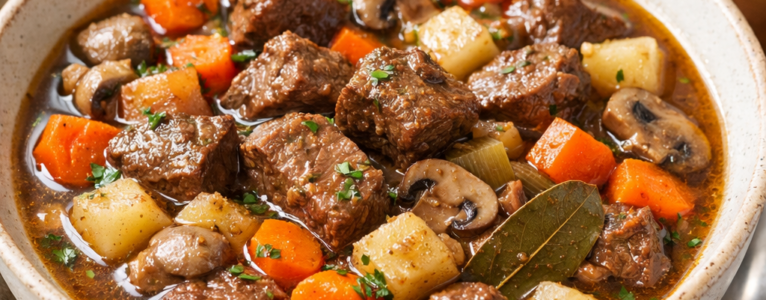
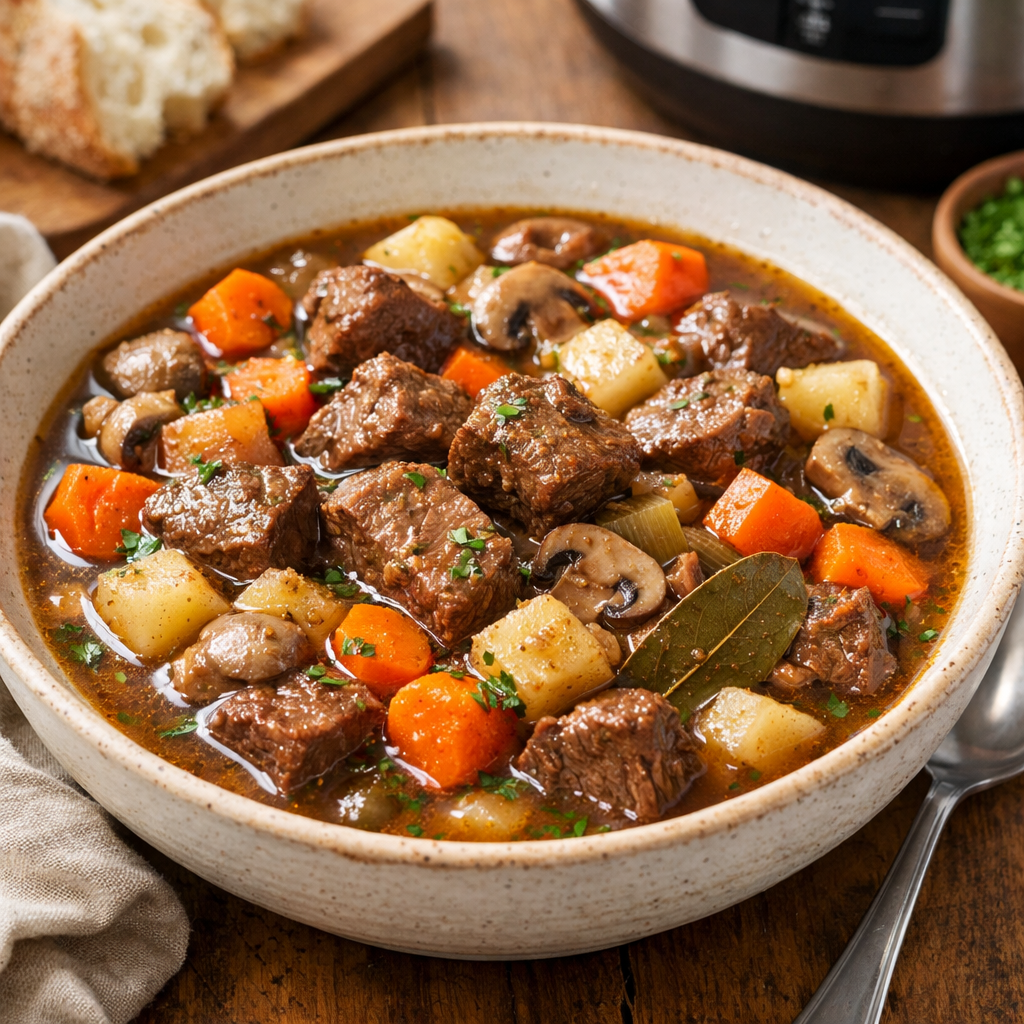
Pressure Cooked Grass-Fed Beef Stew
Ingredients
- 2 pounds grass-fed beef chuck, cut into 1.5 inch cubes
- 2 tablespoons olive oil or avocado oil
- 1 medium onion, chopped
- 3 cloves garlic, minced
- 3 carrots, peeled and sliced
- 2 celery stalks, chopped
- 1 cup mushrooms, sliced
- 2 medium turnips or parsnips, peeled and cubed
- 4 cups beef broth
- 1 teaspoon sea salt, adjust to taste
- 1 teaspoon black pepper
- 1 teaspoon dried thyme
- 1 teaspoon dried rosemary
- 1 bay leaf
Instructions
- Prepare the Beef. Pat the beef dry with a paper towel. This helps with browning. Season lightly with salt and pepper. Sear for Flavor.
- Set your pressure cooker to sauté mode. Add oil and sear the beef in batches until browned on all sides. Do not overcrowd the pot. Browning adds depth and complexity to the final dish.
- Build the Base. Remove the beef and set aside. In the same pot, add onions and cook until softened. Add garlic and cook for another minute.
- Combine Ingredients. Return the beef to the pot. Add carrots, celery, mushrooms, and turnips or parsnips. Pour in the broth and add herbs and bay leaf.
- Pressure Cook. Seal the lid and cook on high pressure for 35 minutes. Allow natural release for at least 10 to 15 minutes before opening.
- Final Adjustments. Remove the bay leaf. Taste and adjust seasoning as needed. If you prefer a thicker stew, you can simmer uncovered for a few minutes on sauté mode.
What Makes This Recipe Low-Lectin Friendly
This stew works within a low-lectin framework because it combines multiple strategies rather than relying on a single change. First, ingredient selection avoids common high-lectin foods or substitutes them with better-tolerated options. Second, preparation techniques such as peeling and chopping reduce exposure to lectins that concentrate in certain plant parts.
Third, and most importantly, pressure cooking significantly reduces lectin activity through sustained high heat. The result is a dish that feels traditional but is adapted for modern understanding of digestive health.
Digestion, Satiety, and Real-World Impact
One of the most interesting shifts people notice when adopting a low-lectin approach is how meals like this feel afterward. Instead of heaviness or bloating, there is often a sense of steady energy and satiety.
This is not just about removing problematic foods. It is about improving how the body processes what you eat. A pressure-cooked stew is easier to break down. Nutrients are more accessible. The gut is less burdened.
Meals like this also tend to keep you full longer, which can naturally reduce overeating without requiring strict portion control.
Cooking as a Daily Practice, Not a Restriction
It is easy to frame dietary changes as limitations, but that perspective often misses the bigger picture. When you start cooking with intention, especially using techniques like pressure cooking, you are not just avoiding certain foods. You are actively improving the quality of what you eat.
A dish like this beef stew becomes part of a larger rhythm. You shop differently. You prepare differently. You start to notice how your body responds. That awareness is where real change happens.
Final Thoughts
Pressure-cooked grass-fed beef stew is a perfect example of how traditional cooking methods and modern nutritional insights can work together. It is simple, deeply satisfying, and adaptable to individual needs.
More importantly, it represents a shift in how we think about food. Not as something to fear or restrict, but as something to understand and refine. In a world where convenience often overrides quality, taking the time to prepare a meal like this is a powerful act. It reconnects you to your food, your body, and the process that links the two.
And sometimes, that is exactly what healing begins to look like.