There is a quiet moment that happens when you begin to understand how food affects your body. It is not dramatic. It does not come with a warning label or a flashing sign. It is subtle. A meal that once felt normal suddenly feels heavy. A day that should feel energetic feels sluggish. And over time, patterns begin to emerge.
For many people exploring a low-lectin lifestyle, that moment becomes a turning point. You start asking different questions. Not just “Is this healthy?” but “How does this interact with my body?”
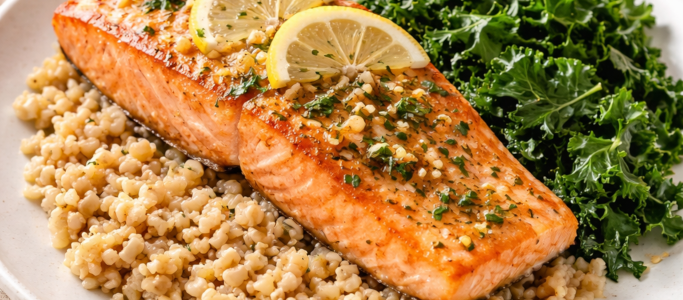
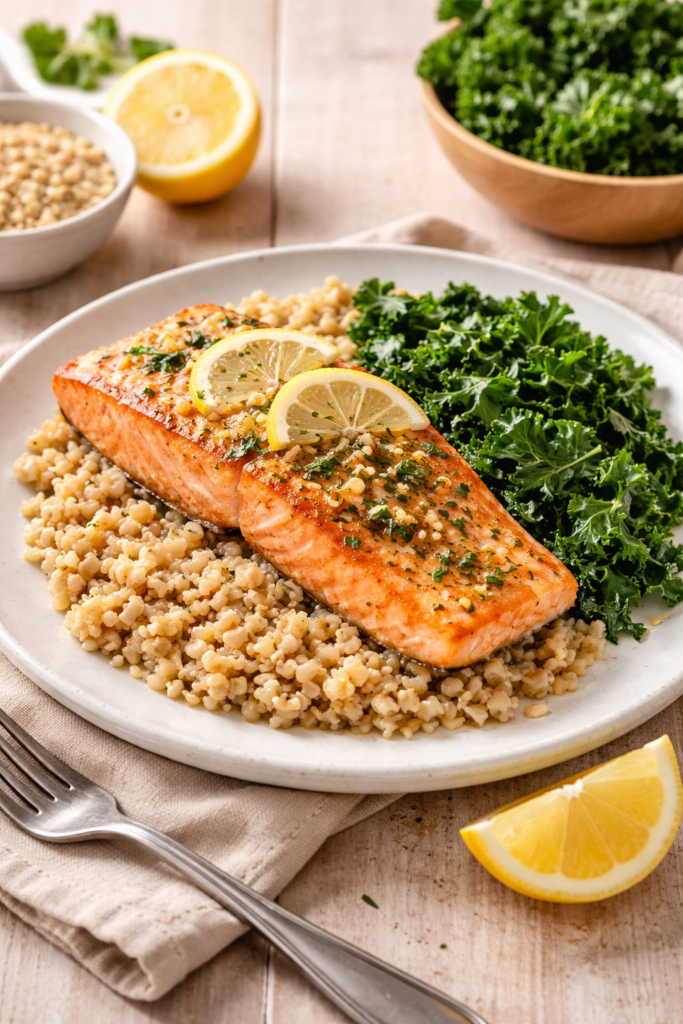
That is where meals like lemon-garlic wild salmon over sorghum come into play. This is not just a recipe. It is a practical example of how modern lectin awareness, traditional cooking wisdom, and nutritional science can come together into something simple, satisfying, and supportive of long-term health.
Let’s walk through the science, the ingredients, and the process in a way that makes sense and actually works in a real kitchen.
Understanding Why This Meal Works
Lectins are a type of protein found in many plants. They are part of a plant’s natural defense system. In some people, especially those with sensitive digestion or underlying inflammation, certain lectins can bind to the gut lining and contribute to discomfort or immune responses.
Not all lectins are harmful, and not all people react the same way. That is an important point. However, modern research has shown that reducing exposure to certain high-lectin foods, especially when the gut is already compromised, can help improve digestion and overall well-being.
This meal is built around three key principles:
- Minimize problematic lectins
- Support gut health with nutrient-dense foods
- Use cooking techniques that enhance digestibility
Each component of this dish has a purpose.
The Role of Wild Salmon in a Low-Lectin Diet
Wild salmon is one of the most reliable proteins you can include when you are trying to reduce dietary stress on the body.
It contains no lectins. That alone makes it valuable. But more importantly, it is rich in omega-3 fatty acids, particularly EPA and DHA. These fats are known to support anti-inflammatory pathways in the body.
Inflammation is often the hidden layer behind many digestive complaints. When lectins irritate the gut lining, the immune system can respond. Over time, that response can become chronic. Foods like salmon help counterbalance that effect.
There is also a difference between wild and farmed salmon. Wild salmon tends to have a better omega-3 to omega-6 ratio and fewer contaminants related to feed quality. For a low-lectin lifestyle that prioritizes whole, clean foods, wild salmon fits naturally.
Sorghum: The Rare Grain That Changes the Game
Grains are one of the most confusing areas when it comes to lectins. Many commonly consumed grains contain lectins that can be difficult for sensitive individuals.
Sorghum stands out because it is naturally low in problematic lectins and is often considered lectin-free in practical dietary terms. It has been used traditionally in many cultures, especially in Africa and parts of Asia, where it is valued for both its resilience and its nutritional profile.
Sorghum is rich in fiber, magnesium, and antioxidants. It also has a mild, slightly nutty flavor that works well as a base for savory dishes. What makes sorghum especially useful is that it provides the comfort of a grain without the same digestive drawbacks that people often experience with wheat or certain legumes.
Kale and the Importance of Preparation
Kale is often labeled as a superfood, but even nutrient-dense foods require proper preparation. Leafy greens like kale contain compounds that can be harder to digest when raw. Light sautéing helps break down these compounds, making the nutrients more accessible and reducing any potential irritation.
Cooking is one of the most overlooked lectin-reducing techniques. Heat can denature certain plant compounds and make foods significantly easier on the digestive system. In this dish, sautéed kale provides fiber, vitamins, and a slight bitterness that balances the richness of the salmon and the neutrality of the sorghum.
Lemon and Garlic: More Than Just Flavor
Lemon and garlic are not just there to make the dish taste good. Garlic contains sulfur compounds that support detoxification pathways and may have antimicrobial properties. Lemon provides vitamin C and helps stimulate digestion.
Together, they create a flavor profile that feels fresh and clean, while also supporting the body in subtle ways. This is a recurring theme in low-lectin cooking. Ingredients are chosen not just for taste, but for how they interact with the body.
Lemon-Garlic Wild Salmon over Sorghum
Ingredients
- -- For the salmon --
- 4 wild salmon fillets
- 3 tablespoons olive oil
- 4 cloves garlic, minced
- Juice of 1 large lemon
- 1 teaspoon sea salt
- ½ teaspoon black pepper
- -- For the sorghum --
- 1 cup whole sorghum
- 3 cups water or low-sodium broth
- Pinch of salt
- -- For the kale --
- 1 large bunch kale, stems removed and chopped
- 2 tablespoons olive oil
- 2 cloves garlic, minced
- Pinch of salt
Instructions
- Cook the sorghum. Rinse the sorghum thoroughly under cold water. In a medium pot, combine sorghum, water or broth, and a pinch of salt. Bring to a boil, then reduce to a simmer. Cover and cook for about 45 to 60 minutes, or until the grains are tender but still slightly chewy. Drain any excess liquid and set aside.
- Prepare the salmon. Preheat your oven to 400°F. In a small bowl, mix olive oil, minced garlic, lemon juice, salt, and pepper. Place the salmon fillets on a baking sheet lined with parchment paper. Brush the lemon-garlic mixture evenly over each fillet. Bake for 12 to 15 minutes, depending on thickness, until the salmon flakes easily with a fork.
- Sauté the kale. Heat olive oil in a large pan over medium heat. Add garlic and cook for about 30 seconds until fragrant. Add the chopped kale and a pinch of salt. Sauté for 4 to 6 minutes until the kale is wilted and tender.
- Assemble the dish. Spoon a serving of sorghum onto each plate. Place a salmon fillet on top. Add a side of sautéed kale. If desired, finish with an extra squeeze of lemon.
What This Meal Feels Like in the Body
One of the most interesting parts of shifting to a low-lectin approach is how different meals feel after you eat them. This dish is filling, but not heavy. It provides protein, fiber, and healthy fats without the post-meal crash that many people associate with grain-heavy or processed meals.
The sorghum gives you sustained energy. The salmon supports satiety and reduces inflammation. The kale adds bulk and micronutrients without overwhelming the digestive system. It is the kind of meal that supports you quietly. No spikes, no crashes, no discomfort.
The Bigger Picture: Cooking as a Strategy
Modern lectin research does not suggest that everyone must eliminate all lectins forever. What it does suggest is that preparation, food quality, and individual sensitivity matter more than we once thought. This is where cooking becomes a strategy rather than just a routine.
Pressure cooking, soaking, fermenting, peeling, and selecting the right ingredients all play a role. Even something as simple as choosing sorghum instead of wheat can change how a meal interacts with your body. This recipe reflects that mindset. It is not extreme. It is intentional.
A Personal Perspective on Simplicity
There is a tendency to overcomplicate nutrition. New diets, conflicting advice, and endless lists of what to avoid can make the process feel overwhelming. But when you strip it down, the goal is simple. Eat foods that your body can process efficiently. Reduce unnecessary stress on your system. Support your natural biology rather than working against it.
Meals like lemon-garlic wild salmon over sorghum are a step in that direction. They are not restrictive. They are focused. And over time, those small shifts can lead to meaningful changes in how you feel every day.
Closing Thoughts
The low-lectin approach is not about fear. It is about awareness. It is about understanding that not all foods affect all people the same way, and that modern food systems have changed how we interact with what we eat.
By choosing ingredients like wild salmon, sorghum, and properly prepared greens, you are not just following a trend. You are applying a practical understanding of how food works within your body.
And sometimes, that understanding starts with something as simple as a plate of food that finally feels right.