Low-lectin eating gets much easier once you stop thinking in single meals. That one shift changes the whole rhythm of the kitchen. Instead of asking, “What am I making for dinner?” every afternoon, you start asking, “What can this cooked chicken, roasted vegetable tray, or bowl of greens become next?” That question saves time, lowers food waste, and keeps the low-lectin lifestyle from feeling like a full-time job.
A lot of people quit dietary changes because the food math gets exhausting. Every meal feels like a new project. Every grocery trip feels like a test. Every container in the fridge becomes either a blessing or a mystery. Low-lectin eating does not have to work that way. The smartest approach is to build a small collection of safe, flexible ingredients that can move through several meals without tasting like leftovers dragged across the finish line.
This is not about eating the same boring plate four times in a row. Nobody needs that punishment. This is about cooking once, then changing the shape, texture, sauce, temperature, and presentation so the same ingredient feels fresh again.
Start With Ingredients That Can Carry More Than One Meal
The best reusable low-lectin ingredients are not fancy. They are dependable. A tray of roasted chicken thighs, a bowl of steamed greens, a container of cauliflower rice, or a batch of roasted Brussels sprouts can work harder than any complicated recipe.
The trick is to avoid over-seasoning the base ingredient on day one. If the chicken is already coated in a bold sauce, it has fewer places to go later. If the vegetables are roasted simply with olive oil, salt, garlic, and herbs, they can become breakfast, lunch, or dinner with only small changes.
Think of your core ingredients as building blocks. Protein is the anchor. Vegetables add volume, fiber, color, and texture. Healthy fats make the meal feel complete. A small flavor element pulls everything together. Once those pieces are ready, meals become assembly instead of invention. For many people, this is where low-lectin eating finally becomes realistic. The lifestyle stops being a daily performance and starts acting like a kitchen system.
The Protein-First Reuse Method
Protein is usually the hardest part of the meal to prepare from scratch every time, so it deserves special attention. Cooked chicken, turkey patties, wild-caught fish, pasture-raised eggs, grass-fed beef, lamb, or compliant sausage can all become different meals with very little effort.
A plain roasted chicken thigh can be sliced over a salad the next day. The remaining pieces can be chopped into a warm bowl with cauliflower rice and sautéed greens. Smaller scraps can be folded into an egg scramble, tucked into lettuce cups, or stirred into a quick soup with broth and vegetables.
This method works because the protein gives the meal structure. Without it, low-lectin plates can accidentally turn into snack plates that never quite satisfy. A meal built around protein tends to hold hunger back longer and makes it easier to avoid drifting toward crackers, bread, chips, or other high-lectin convenience foods.
The key is to store protein in a way that preserves moisture. Dry leftovers are where good intentions go to die. Keep cooked meat in shallow containers with a little cooking juice, broth, olive oil, or sauce on the side. Reheat gently. High heat can turn yesterday’s perfectly good protein into chewy sadness.
Roast Once, Rebuild All Week
Roasted vegetables are one of the strongest tools in a low-lectin kitchen. They are forgiving, easy to batch, and flexible enough to move across several meals. A sheet pan of Brussels sprouts, cauliflower, mushrooms, onions, asparagus, or broccoli can become a side dish on the first night. The next morning, those vegetables can be reheated in a skillet and topped with eggs. At lunch, they can be layered into a salad with avocado and leftover chicken. By dinner, they can be blended into a soup with broth, garlic, olive oil, and herbs.
The same vegetable can change character based on how you finish it. Lemon juice makes it brighter. Olive oil makes it richer. Fresh herbs make it feel lighter. A compliant pesto makes it feel like a different meal entirely. Texture matters too. Crispy reheated vegetables feel very different from soft vegetables blended into soup. This is where people often underestimate leftovers. They think reuse means repetition. It does not. Reuse means transformation.
Make One Base, Then Change the Direction
A good low-lectin base should be mild enough to accept different flavors. Cauliflower rice is a perfect example. On Monday, it can sit under grilled salmon with olive oil and herbs. On Tuesday, it can become a skillet bowl with turkey, greens, and avocado. On Wednesday, it can be warmed with broth into a soft, risotto-style bowl.
Shredded cabbage can work the same way. It can become a raw slaw, a warm sauté, a taco-style lettuce cup filling, or a quick stir-fry base without relying on grains or beans. Leafy greens are another strong choice. Spinach, arugula, romaine, dandelion greens, and cooked kale can rotate through salads, bowls, soups, and breakfast plates. The base should never compete with the rest of the meal. It should support it. That is the quiet secret behind reusable ingredients. The more flexible the base, the easier it is to avoid food fatigue.
Use Sauces Carefully
Sauces can rescue leftovers, but they can also sabotage a low-lectin meal faster than almost anything else. Many store-bought sauces hide tomato paste, soybean oil, peanut ingredients, seed oils, corn starch, modified food starch, sugar, gums, or vague “spices” that may not fit your personal tolerance.
A safer approach is to keep a few simple homemade sauces ready. Olive oil with lemon and herbs. Avocado blended with lime and garlic. Basil pesto made without cashews. A tahini-style sauce only if sesame works for you. Coconut milk with ginger and herbs. A simple broth reduction with garlic and rosemary.
Sauces change the identity of a meal. A bowl with chicken, cauliflower rice, and greens can taste Mediterranean with lemon, olive oil, and oregano. The same bowl can feel richer with avocado sauce. It can lean toward a soup bowl with warm broth and herbs. The ingredients barely changed, but the meal did. That matters because dietary consistency is easier when the food still feels alive.
The Three-Meal Rule
One of the easiest ways to plan reusable ingredients is to give every cooked item three possible jobs before you make it. A roast chicken can become a dinner plate, a lunch salad, and a soup. A tray of broccoli can become a side, a breakfast scramble, and a blended soup. A batch of turkey patties can become a burger bowl, lettuce cups, and a chopped protein topping for greens.
This simple rule prevents the fridge from becoming a graveyard of good food. It also sharpens your grocery list. Instead of buying random “healthy” items and hoping they assemble themselves into meals, you buy with purpose. A low-lectin grocery list should not look like a collection of cravings. It should look like a plan with room to improvise.
Breakfast Is the Best Place to Reuse Dinner
Breakfast does not need to be sweet. In fact, for many people following a low-lectin lifestyle, savory breakfasts are the easier path. Dinner leftovers are often better in the morning than typical breakfast foods. A small bowl of greens, leftover meat, avocado, and eggs can be more satisfying than trying to recreate cereal, toast, muffins, or pancakes with substitute ingredients. Those substitutes can have a place, but they often keep people mentally tied to the foods they are trying to reduce.
A dinner-to-breakfast flow can be simple. Save a handful of roasted vegetables. Chop a little leftover protein. In the morning, warm them in a skillet, add eggs, and finish with olive oil or herbs. That is a real breakfast. No drama. No pretend bread required. This habit also lowers the pressure to invent “low-lectin breakfast recipes.” The best breakfast might already be sitting in last night’s container.
Lunch Bowls Keep the System Moving
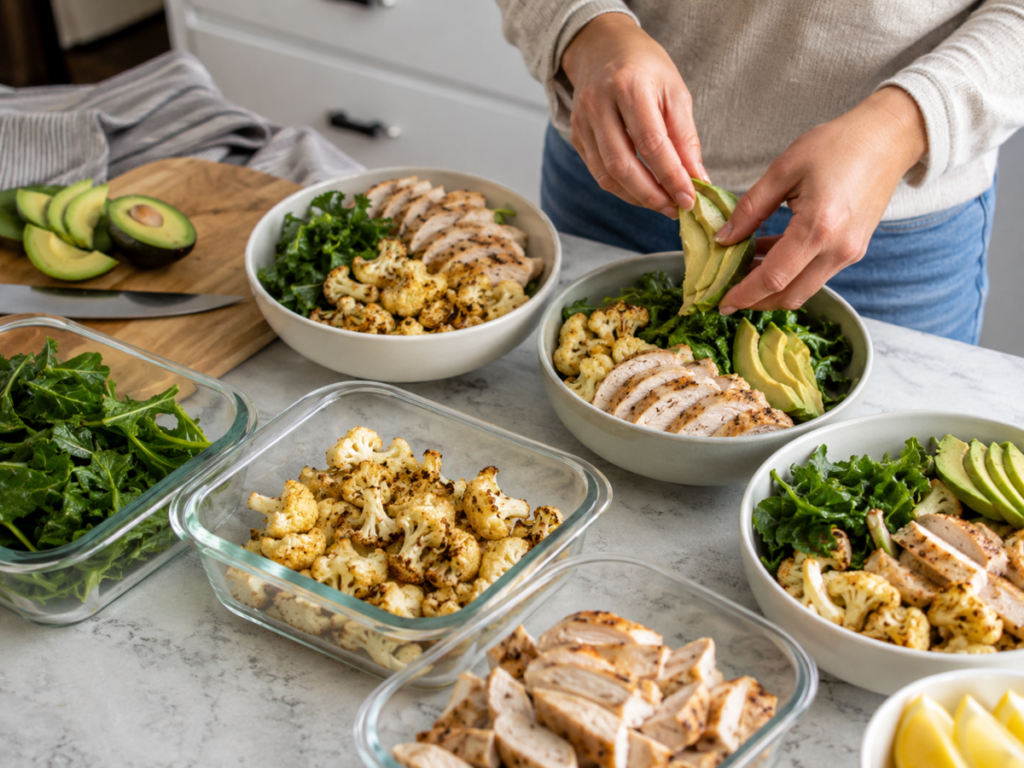
Lunch is where many low-lectin plans fall apart. The day gets busy. Hunger shows up fast. Convenience starts whispering nonsense. Reusable ingredients solve that problem. A good lunch bowl can be built in minutes if the parts are ready. Start with greens or cauliflower rice. Add protein. Add roasted or raw vegetables. Add fat from avocado, olive oil, or compliant dressing. Finish with herbs, lemon, or a small amount of sauce.
The bowl format works because it is forgiving. Nothing has to be perfect. A small amount of leftover fish, half an avocado, a scoop of vegetables, and a handful of greens can become a proper meal. It may not look restaurant-level, but it does the job. People often make low-lectin eating too precious. Every meal does not need to be beautiful. Some meals need to be solid, safe, and fast.
Turn Small Leftovers Into Soup
Soup is the most underrated leftover strategy in a low-lectin kitchen. Small portions that seem useless on their own can become something comforting with broth and heat. A few pieces of chicken, a cup of roasted vegetables, and a handful of greens can become soup in ten minutes. Add garlic, herbs, olive oil, and a clean broth. Blend it if the texture feels uneven. Leave it chunky if you want something more rustic.
Soup also helps with vegetables that have softened past their prime. Slightly tired greens or roasted vegetables that no longer look exciting in a bowl can still bring flavor and body to broth. This reduces waste without forcing you to eat food that feels stale. The only caution is ingredient creep. Soup can become a dumping ground. Keep it clean. Avoid tossing in random sauces, starches, or questionable condiments just because they are there.
Store Ingredients Like You Actually Plan to Eat Them
Good storage is not glamorous, but it decides whether meal reuse works. Cooked foods should cool properly, then go into shallow airtight containers. Labeling helps more than people expect. Even a simple piece of tape with the date can prevent the strange fridge stare where you wonder whether something is from Tuesday or from the previous administration.
Keep wet and dry items separate when possible. Store sauces apart from greens. Keep crispy vegetables away from watery ingredients. Place proteins in containers that preserve moisture. Wash and dry greens well before storing, because damp greens collapse fast.
Food safety matters here. Reusing ingredients is smart only when the food is still safe and pleasant to eat. Most cooked leftovers belong in the refrigerator for only a few days. If you know you made too much, freeze part of it early instead of waiting until the texture has already gone downhill.
Reuse Does Not Mean Eating Around Tolerance Signals
Low-lectin living works best when it respects individual response. A food can be low-lectin on paper and still not work well for a specific person. Reusing ingredients makes tracking easier because it reduces the number of variables on the plate.
That can be helpful. If chicken, greens, and avocado feel good three times in different formats, you learn something. If a new sauce causes bloating, reflux, joint stiffness, or brain fog, the culprit may stand out more clearly because the rest of the meal stayed familiar.
This is where a tracking workbook can be more useful than memory. Memory edits the story. A quick written note captures what happened before you explain it away. You do not need obsessive tracking forever. You need enough pattern recognition to stop repeating mistakes.
Keep a Rotation, Not a Prison
The strongest low-lectin meal systems have rhythm without rigidity. A person might cook two proteins, two vegetable trays, one raw salad base, one cooked green, and two sauces for the week. That sounds simple because it is. From those parts, they can make bowls, salads, scrambles, soups, lettuce cups, and dinner plates.
The rotation should leave room for appetite. Some days need something warm and soft. Other days need crunch. Some days a salad feels right. Other days a salad feels like punishment in a bowl. A good reusable ingredient system can bend without breaking.
That flexibility keeps the lifestyle sustainable. Strict meal plans look good on paper, but real life has late nights, low energy days, family schedules, grocery surprises, and meals that simply do not sound good once the day arrives. Reusable ingredients give you options without starting over.
A Simple Two-Day Example
A practical example makes the system clearer. On the first evening, roast chicken thighs with olive oil, garlic, rosemary, and salt. On the same tray or a second tray, roast cauliflower and Brussels sprouts. Wash and dry greens. Make a small avocado-lime sauce and a lemon-herb olive oil dressing. Dinner is chicken with roasted vegetables and a side of greens.
The next morning, chop a small amount of chicken and vegetables, warm them in a skillet, and add eggs. Lunch becomes a bowl with greens, sliced chicken, avocado sauce, and leftover cauliflower. Dinner becomes a soup made from broth, chopped chicken, roasted Brussels sprouts, herbs, and olive oil.
The next day, the remaining chicken can go into lettuce cups with crisp greens and lemon dressing. The last roasted vegetables can be blended into a creamy vegetable soup with broth and coconut milk if tolerated. Nothing feels identical, but nothing required a full reset. That is the sweet spot. Cook enough to give yourself choices, but not so much that the fridge starts issuing threats.
Build the Habit Around Real Life
Ingredient reuse works because it accepts reality. People get tired. People get hungry. People do not always want to cook from scratch after work. A low-lectin plan that ignores that truth is a fragile plan.
The better approach is practical and slightly ruthless. Cook ingredients that can do more than one job. Keep seasonings simple at first. Change meals with sauces, texture, temperature, and format. Track personal reactions without turning food into a spreadsheet nightmare. Freeze extras before they become suspicious.
A low-lectin kitchen should feel prepared, not restricted. The same chicken, greens, cauliflower, eggs, avocado, and herbs can become several different meals when they are treated as flexible parts instead of finished recipes. That is how the lifestyle becomes less about discipline and more about design.