When people first begin exploring the role lectins may play in digestion, inflammation, and overall health, one of the most common questions is surprisingly simple.
“What do I actually cook?”
The modern kitchen is filled with convenience foods and fast recipes that rely on ingredients like soy sauce, refined vegetable oils, grain-fed meats, and lectin-rich grains. These foods are not necessarily harmful for everyone, but for many people who struggle with digestive discomfort, fatigue, joint irritation, or unexplained inflammation, small adjustments in ingredients and preparation methods can make a noticeable difference.
One of the best ways to transition toward a lower-lectin lifestyle is not by eliminating familiar meals but by reimagining them. Many traditional dishes already contain the structure needed for a lectin-conscious approach. All they require is a few thoughtful substitutions.
A perfect example is stir-fry.
Stir-fry cooking is fast, flavorful, and rooted in centuries of culinary tradition. The technique uses high heat, fresh ingredients, and quick cooking to preserve texture and nutrients. When adapted carefully, it can become one of the most satisfying ways to build a lectin-conscious meal.
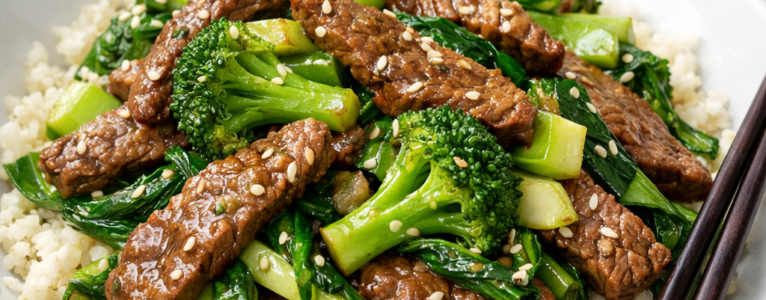
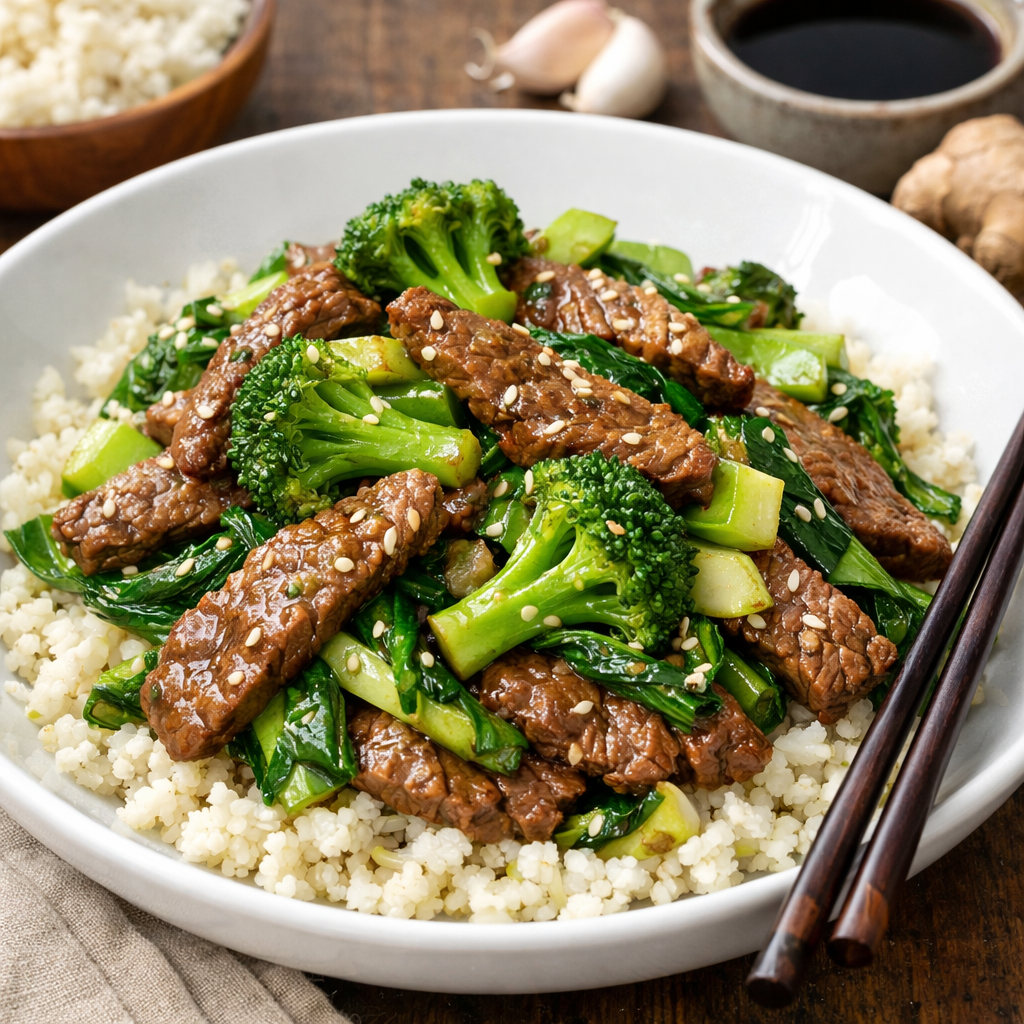
The Grass-Fed Beef and Broccoli Stir-Fry is a simple dish that demonstrates how small ingredient choices can align flavor, nutrition, and digestive comfort.
Why Ingredient Quality Matters in a Low-Lectin Approach
Lectins are naturally occurring proteins found in many plants. They evolved as part of a plant’s defense system against insects, animals, and microbes. In most cases, lectins are neutralized through proper cooking or traditional preparation methods such as soaking, fermenting, sprouting, or pressure cooking.
However, modern food habits often skip these steps. Highly processed foods and simplified cooking methods can leave certain lectins more active than they would have been in traditional diets.
For people with sensitive digestion, autoimmune tendencies, or compromised gut barriers, the interaction between lectins and the intestinal lining can sometimes contribute to irritation or immune signaling.
That does not mean every lectin must be eliminated. In fact, many lectin-containing foods provide fiber, micronutrients, and beneficial plant compounds. The key principle is preparation, moderation, and awareness.
When designing a meal like a stir-fry, three elements matter most:
- The protein source
- The vegetables used
- The sauce and cooking base
Each of these can either increase lectin exposure or help minimize it.
The Role of Grass-Fed Beef
Protein often forms the backbone of a satisfying meal, especially for people who are adjusting their diet to support metabolic health or stabilize blood sugar.
Grass-fed beef offers a nutritional profile that differs from conventional grain-fed cattle. Cattle raised on pasture tend to produce meat with a higher proportion of omega-3 fatty acids, conjugated linoleic acid (CLA), and fat-soluble vitamins.
Grain-fed beef is not inherently unhealthy, but grain-heavy feedlots can shift the fatty acid balance toward higher omega-6 levels. Omega-6 fats are essential for human health, yet excessive imbalance between omega-6 and omega-3 intake has been associated with increased inflammatory signaling in the body.
Choosing grass-fed beef helps move that ratio closer to what many nutrition researchers believe is more aligned with traditional human diets.
From a culinary perspective, flank steak is an excellent choice for stir-fry because it cooks quickly and develops rich flavor when sliced thinly across the grain.
Broccoli and Bok Choy: Vegetables That Work With Digestion
Vegetables form the heart of a healthy stir-fry. In a lectin-conscious approach, certain vegetables tend to be easier for many people to tolerate.
Cruciferous vegetables such as broccoli and bok choy are particularly useful.
Broccoli contains compounds called glucosinolates that break down into biologically active molecules during cooking and digestion. These compounds have been studied for their potential role in supporting detoxification pathways and antioxidant defenses.
Bok choy, a leafy member of the cabbage family, offers vitamins A, C, and K along with minerals such as calcium and potassium. It cooks quickly and provides a tender texture that balances the firmness of broccoli.
Neither of these vegetables are considered high-lectin foods, and when cooked properly they are generally well tolerated.
Rethinking the Sauce: Why Coconut Aminos Are Used
Soy sauce is a staple in many stir-fry recipes, but soybeans are one of the foods most frequently discussed in lectin research.
Soybeans naturally contain lectins and other compounds such as phytates. Traditional cultures historically fermented soybeans into foods like miso, natto, and tempeh, processes that reduce lectin activity and improve digestibility.
Modern soy sauce production varies widely. While some versions are still fermented traditionally, many mass-produced sauces rely on faster chemical processes that do not replicate the same transformation.
Coconut aminos provide an alternative.
Made from fermented coconut sap and sea salt, coconut aminos deliver a savory, slightly sweet flavor that resembles soy sauce without relying on soybeans or wheat. The result is a sauce that supports the flavor profile of stir-fry while avoiding two ingredients that some people prefer to reduce.
Adding fresh ginger and garlic enhances the dish while providing their own beneficial compounds, including sulfur-containing molecules that have been studied for antimicrobial and anti-inflammatory effects.
Replacing the Grain Base With Cauliflower Rice
Traditional stir-fry meals are commonly served over white or brown rice. Rice is generally considered lower in lectins than many grains, but some people exploring lectin reduction choose to limit grain intake entirely during certain phases of dietary experimentation.
Cauliflower rice offers a practical alternative.
By pulsing cauliflower florets into small rice-sized pieces and lightly sautéing them, you create a base that mimics the texture of rice while adding fiber, vitamin C, and plant compounds. It absorbs the sauce from the stir-fry and provides a satisfying foundation for the meal.
The result is lighter than traditional rice but still comforting.
Grass-Fed Beef and Broccoli Stir-Fry (Low-Lectin)
Ingredients
- 1 pound grass-fed flank steak, thinly sliced against the grain
- 3 cups broccoli florets
- 2 cups chopped bok choy
- 3 cloves garlic, minced
- 1 tablespoon fresh ginger, grated
- 2 tablespoons avocado oil or olive oil
- Salt and pepper to taste
- 3 tablespoons coconut aminos
- 1 tablespoon rice vinegar or apple cider vinegar
- 1 teaspoon sesame oil (optional for flavor)
- 1 teaspoon honey or maple syrup (optional)
- 1 large head cauliflower, riced (about 4 cups)
Instructions
- Begin by preparing the cauliflower rice. Cut the cauliflower into florets and pulse them in a food processor until the pieces resemble grains of rice. Heat a skillet with a small amount of oil and sauté the cauliflower for about five minutes until tender but not mushy. Set aside.
- Next, heat a large skillet or wok over medium-high heat. Add the avocado oil and allow it to warm until it shimmers.
- Add the sliced flank steak in a single layer. Cook for about two minutes without stirring so the meat develops a light sear. Stir and cook for another one to two minutes until just browned. Remove the beef from the pan and set aside.
- In the same pan, add the garlic and ginger. Stir for about thirty seconds until fragrant.
- Add the broccoli florets and cook for three to four minutes, stirring frequently. When the broccoli begins to soften, add the bok choy and continue cooking for another two minutes.
- Return the beef to the pan.
- In a small bowl, whisk together the coconut aminos, vinegar, sesame oil, and honey if using. Pour the sauce into the pan and toss everything together for about one minute until the ingredients are evenly coated and heated through.
- Serve the stir-fry over warm cauliflower rice.
Why Meals Like This Can Support Digestive Balance
Meals built around whole foods often provide benefits that go beyond lectin awareness.
First, they reduce reliance on ultra-processed ingredients that can contain refined oils, preservatives, and additives. Second, they emphasize vegetables and nutrient-dense proteins that help stabilize blood sugar and support satiety.
Third, they align with traditional cooking principles that humans relied on for centuries. Fresh ingredients, quick cooking, and balanced flavors are not new ideas. They are culinary foundations that modern food culture sometimes overlooks.
From a lectin perspective, this dish avoids several ingredients that can be challenging for some people, including soybeans, wheat, and nightshade-heavy sauces. Instead, it focuses on foods that tend to be easier for many individuals to digest.
The Bigger Picture of Living Low-Lectin
The goal of a low-lectin lifestyle is not to create fear around food. Lectins exist in many plants that humans have eaten for thousands of years. What matters most is context.
Traditional food cultures often prepared these foods in ways that naturally reduced lectin activity. Beans were soaked and slow-cooked. Grains were fermented into sourdough. Soybeans were transformed through fermentation.
Modern food systems sometimes bypass these methods for convenience.
Learning how preparation affects lectins empowers people to make informed choices rather than rigid rules.
A meal like grass-fed beef and broccoli stir-fry illustrates that principle well. It is not restrictive. It simply shifts the ingredients slightly toward options that many people find more comfortable.
In the end, living low-lectin is less about perfection and more about awareness. Each meal becomes an opportunity to support digestion, reduce unnecessary inflammatory triggers, and enjoy food that nourishes both body and lifestyle.
And sometimes, that nourishment comes in the form of a hot skillet, a handful of fresh vegetables, and the simple satisfaction of cooking something real.