A Comforting Low-Lectin Meal That Supports Digestive Simplicity
The journey toward a low-lectin lifestyle often begins with a question that seems deceptively simple: what can I actually eat?
Many people who begin learning about lectins discover that a surprising number of everyday foods contain them. Beans, grains, and many vegetables produce lectins as natural defense compounds. These proteins help plants protect themselves from insects, microbes, and animals. For humans, most lectins are harmless when foods are prepared properly. Cooking, soaking, fermenting, and pressure cooking dramatically reduce their activity.
Still, some individuals find that reducing lectin exposure improves how they feel. Digestive discomfort, bloating, skin irritation, and fatigue sometimes lead people to experiment with lectin-aware eating. The goal is rarely perfection. Instead, it is about reducing the foods that may cause irritation while focusing on ingredients that tend to be gentler on the digestive system.
One of the easiest ways to do this is to build meals around naturally low-lectin foods. Seafood is a perfect example. Shrimp, fish, and shellfish contain virtually no lectins, making them a reliable foundation for meals that support a lectin-aware approach.
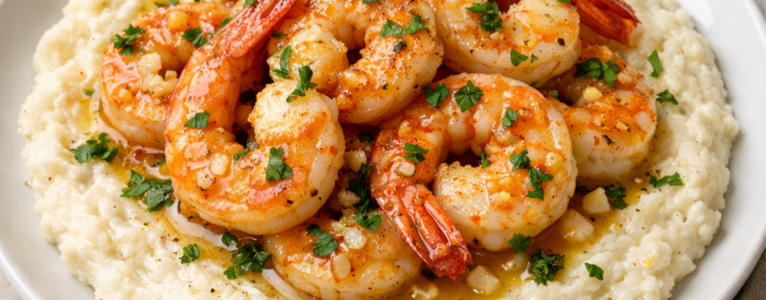
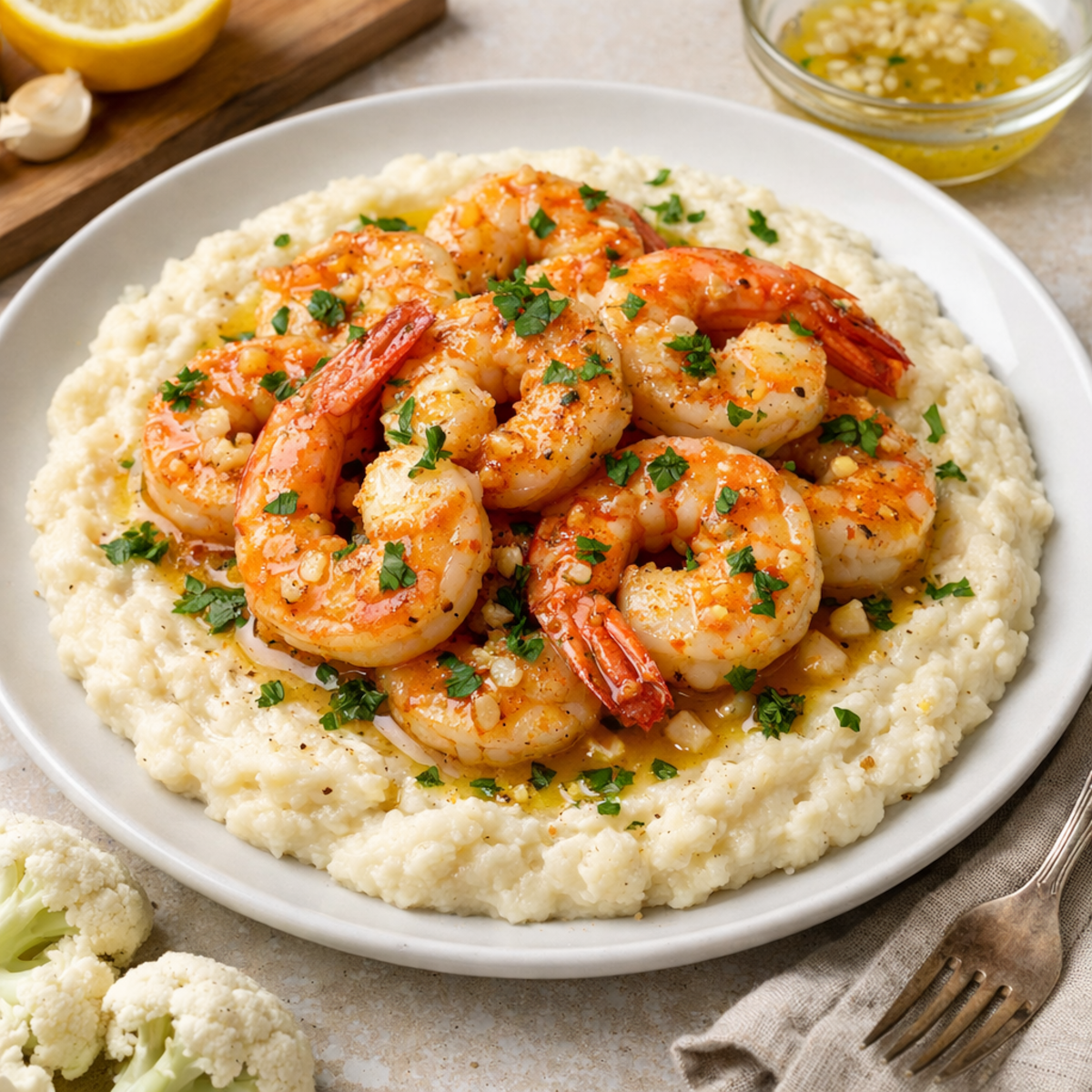
When paired with simple ingredients and thoughtful preparation, seafood can create dishes that feel indulgent while remaining nutritionally supportive. Garlic Butter Shrimp with Mashed Cauliflower is one such dish. It is rich, comforting, and satisfying without relying on grains, legumes, or high-lectin vegetables.
More importantly, it demonstrates a principle that sits at the center of a sustainable low-lectin lifestyle: food should still feel like food. Flavor, texture, and enjoyment matter.
Understanding Why Shrimp Works Well in a Low-Lectin Diet
Shrimp occupies a unique place in the low-lectin kitchen because it avoids many of the complications found in plant foods. Lectins are primarily found in plants. They are part of a plant’s immune system and serve protective functions. Since animals do not rely on lectins for the same biological purposes, animal proteins generally contain little to none of them.
Shrimp provides several advantages for people exploring lectin-aware nutrition. First, shrimp is naturally lectin-free. This removes the need for complicated preparation methods such as pressure cooking or extended soaking. Second, shrimp cooks quickly. Many low-lectin meals emphasize simple preparation that preserves nutrients and avoids unnecessary processing. Third, shrimp contains beneficial nutrients. It provides high quality protein, selenium, iodine, and vitamin B12. These nutrients support metabolic health, thyroid function, and cellular repair.
Another benefit is digestibility. Seafood protein is often easier for the body to break down compared to heavier red meats. For individuals who are experimenting with foods that feel lighter on the digestive system, shrimp can be a helpful ingredient.
Of course, sourcing matters. Wild caught shrimp or responsibly farmed shrimp tends to offer better nutritional quality and fewer contaminants. Like any seafood, freshness plays a major role in both taste and safety.
Why Cauliflower Makes an Excellent Low-Lectin Substitute
Many traditional comfort dishes rely on grains or potatoes as their base. Mashed potatoes, rice, pasta, and bread all create familiar textures that people associate with satisfying meals. However, several of these foods contain lectins or other compounds that some individuals prefer to reduce. Potatoes, for example, belong to the nightshade family and contain lectins along with other plant defense chemicals.
This does not mean potatoes are universally harmful. Many people tolerate them perfectly well. Yet for those who are experimenting with a lower lectin intake, alternatives can be helpful. Cauliflower has become one of the most versatile substitutes in modern cooking. Its mild flavor and soft texture allow it to mimic a wide range of traditional starches.
When steamed and blended, cauliflower produces a creamy mash that closely resembles mashed potatoes. With the addition of butter, garlic, and seasoning, it becomes rich and comforting while remaining lighter than many traditional side dishes. From a nutritional perspective, cauliflower offers several advantages.
It contains vitamin C, vitamin K, and fiber that supports digestive health. It also provides sulfur-containing compounds that play a role in the body’s natural detoxification processes. Most importantly for people following a lectin-aware approach, cauliflower is generally considered a low-lectin vegetable and is widely tolerated.
The Role of Garlic and Butter in Digestive Friendly Cooking
Garlic butter is one of the simplest flavor combinations in cooking, yet it plays an important role beyond taste. Garlic contains compounds such as allicin that have been studied for their antimicrobial and anti-inflammatory properties. While garlic itself does contain small amounts of lectins, cooking significantly reduces their activity. In moderate amounts, garlic is widely used in low-lectin cooking for both flavor and potential health benefits.
Butter adds richness and helps carry fat-soluble flavors throughout the dish. Quality butter also contains fat-soluble vitamins like vitamin A and small amounts of vitamin K2. The combination of garlic and butter creates a sauce that coats shrimp beautifully while complementing the creamy cauliflower mash.
In many ways, this pairing demonstrates a broader lesson about lectin-aware cooking. When certain ingredients are reduced or replaced, flavor does not have to disappear. In fact, focusing on high quality fats, herbs, and aromatics can make meals feel even more satisfying.
Building a Simple Low-Lectin Dinner
One of the biggest misconceptions about specialized diets is that they require complicated recipes. In reality, many of the most satisfying meals rely on simplicity. Garlic Butter Shrimp with Mashed Cauliflower comes together quickly, often in under thirty minutes. The ingredients are straightforward and widely available. More importantly, the cooking process respects the natural flavor of each component.
This type of meal also demonstrates balance. You have protein from the shrimp, healthy fats from butter, fiber and micronutrients from cauliflower, and aromatic compounds from garlic and herbs. The result is a dish that feels complete without relying on processed ingredients.
For people who are transitioning toward a lectin-aware lifestyle, meals like this can provide reassurance. The plate still looks familiar. It still feels comforting. Yet it aligns with dietary goals that focus on reducing lectin exposure.
Garlic Butter Shrimp with Mashed Cauliflower
Ingredients
- 1 pound large shrimp, peeled and deveined
- 3 tablespoons butter
- 3 cloves garlic, minced
- 1 tablespoon olive oil
- 1 tablespoon fresh lemon juice
- 1 teaspoon paprika
- 1 teaspoon sea salt
- ½ teaspoon black pepper
- 2 tablespoons fresh parsley, chopped
Instructions
- Prepare the Cauliflower. Bring a pot of lightly salted water to a boil. Add the cauliflower florets and cook for about 10 minutes until they are fork tender. Drain thoroughly and allow the cauliflower to sit for a few minutes so excess moisture evaporates. Removing excess water helps produce a creamy mash rather than a watery puree. Place the cauliflower into a blender or food processor along with butter, cream, roasted garlic, salt, and pepper. Blend until smooth and creamy. Set aside and keep warm.
- Cook the Shrimp. Heat olive oil and butter in a large skillet over medium heat. Add the minced garlic and cook for about 30 seconds until fragrant. Avoid browning the garlic since it can become bitter. Add the shrimp in a single layer. Sprinkle with paprika, salt, and pepper. Cook for about 2 minutes per side until the shrimp turn pink and opaque. Drizzle in the lemon juice and gently toss to coat the shrimp in the garlic butter sauce. Remove from heat and sprinkle with fresh parsley.
- Assemble the Dish. Spoon a generous portion of mashed cauliflower onto each plate. Top with the garlic butter shrimp and drizzle a little of the pan sauce over the dish. Serve immediately while warm.
Why Simple Meals Often Support Digestive Comfort
Meals like this are not just convenient. They may also support digestive comfort for many people. Highly processed foods often contain additives, stabilizers, and ingredients that can complicate digestion. When meals focus on whole ingredients with straightforward preparation, the body typically has less work to do during digestion.
Seafood proteins digest efficiently. Cauliflower provides fiber that feeds beneficial gut bacteria. Garlic offers antimicrobial compounds that may help balance the microbiome. Of course, every individual responds differently to food. Lectin sensitivity is not identical for everyone. Some people can tolerate moderate amounts of lectin-containing foods without any noticeable issues.
The value of lectin-aware cooking lies in observation and personalization. People learn how their bodies respond and adjust accordingly.
The Bigger Picture of Lectin-Aware Living
A low-lectin lifestyle extends beyond individual recipes. It often includes thoughtful shopping, cooking techniques, and lifestyle habits. Pressure cooking beans can dramatically reduce lectin activity. Peeling and deseeding certain vegetables lowers lectin exposure. Fermentation transforms the chemical composition of foods and may improve digestibility.
Even factors like sleep, hydration, and stress management influence digestion and inflammation. A balanced lifestyle works alongside food choices to support overall well-being. What matters most is sustainability. A diet that feels restrictive or joyless rarely lasts long. Meals that are flavorful, nourishing, and easy to prepare help people maintain healthy habits over time.
Garlic Butter Shrimp with Mashed Cauliflower represents this philosophy well. It is simple, satisfying, and built around ingredients that align with a lectin-aware approach. It reminds us that improving the way we eat does not require giving up comfort food. Sometimes it simply means reimagining familiar dishes with ingredients that better support our bodies.
And often, those changes turn out to be delicious.