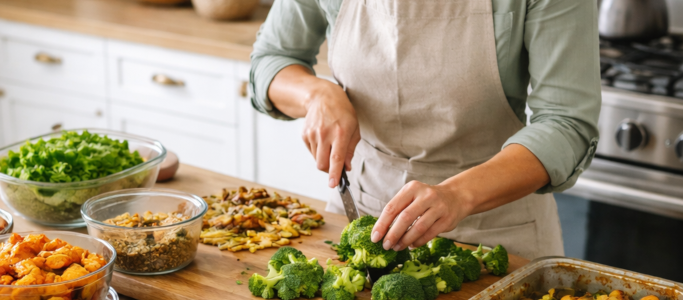
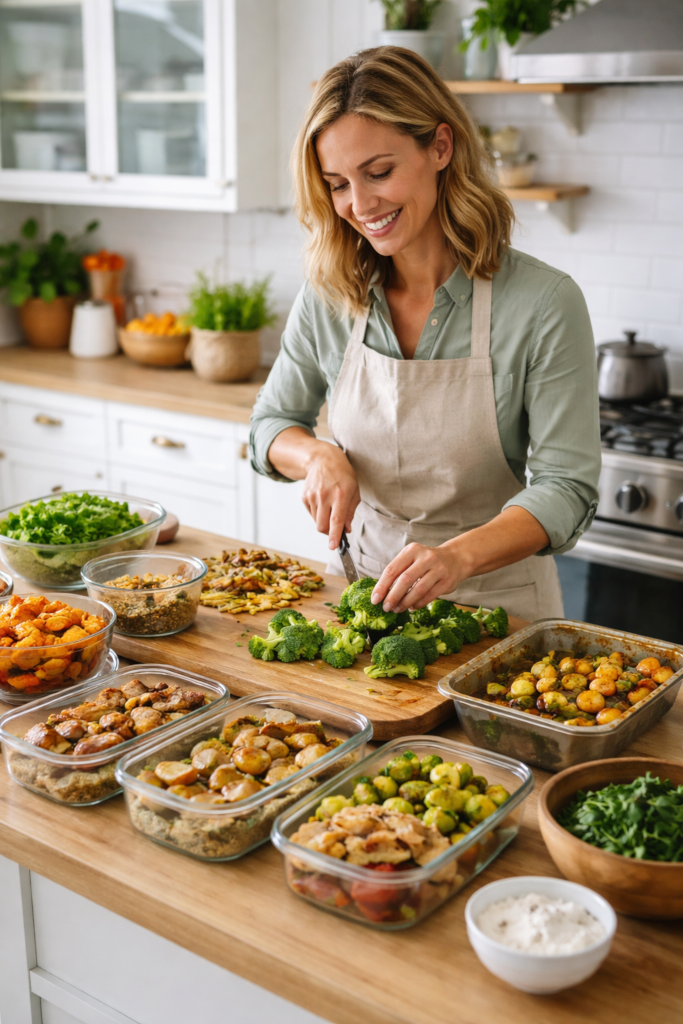
Batch cooking has become one of the most powerful tools for people trying to improve their health through diet. Preparing food in advance saves time, reduces stress around meals, and helps maintain consistency. For those following a low-lectin lifestyle, batch cooking can be especially valuable. It allows careful ingredient selection, controlled cooking methods, and the ability to avoid last-minute food decisions that often lead to reactive foods.
However, batch cooking has a hidden challenge that many people overlook. The way food is stored, reheated, or prepared in large quantities can sometimes increase reactivity rather than reduce it. Certain compounds in food change over time. Some cooking methods concentrate lectins or create other compounds that may irritate sensitive digestive systems. Even healthy foods can behave differently when they are cooked in bulk and eaten days later.
Understanding how this happens does not require a biochemistry degree. Once you learn a few basic principles about lectins, proteins, and how foods change during storage and reheating, batch cooking can become one of the safest and most effective strategies for maintaining a low-lectin lifestyle.
Why Batch Cooking Matters in a Low-Lectin Lifestyle
People who transition into lectin-aware eating often notice something interesting. The hardest part is not the science. It is the logistics.
Daily cooking from scratch can become exhausting. Shopping, prepping, and cooking every meal requires time that many people simply do not have. When schedules become hectic, convenience foods start creeping back into the diet. Unfortunately, many convenience foods contain ingredients that are problematic for those trying to limit lectins. These include refined grain products, legumes, seed oils, and nightshades.
Batch cooking solves this problem by shifting the workload to a single cooking session. Instead of cooking three meals every day, a person prepares several meals at once and stores them for later. This approach reduces decision fatigue and keeps lectin-safe meals readily available. But there is an important detail that often goes unmentioned. Food does not stay chemically static after it is cooked.
Once cooked, food continues to undergo small chemical changes during cooling, storage, and reheating. These changes do not necessarily make the food unsafe, but they can affect digestion and inflammation in people who are sensitive.
How Food Changes After Cooking
When food is cooked, several transformations occur at once. Proteins unfold, starches gelatinize, enzymes deactivate, and microorganisms are reduced. These changes make many foods easier to digest. But cooking is not the end of the story. After cooking, food continues to interact with oxygen, moisture, bacteria, and time. The longer food sits in storage, the more these interactions accumulate.
Three processes matter most for people concerned about lectins and digestive sensitivity.
- The first is protein restructuring. When proteins cool and reheat repeatedly, their structures can shift in ways that make them slightly harder for digestive enzymes to break down.
- The second is oxidation. Exposure to oxygen slowly alters fats and certain plant compounds. This process can create molecules that irritate sensitive digestive systems.
- The third is microbial growth. Even in refrigeration, small populations of microbes continue to exist and slowly change the chemical environment of stored food.
None of these processes automatically make food unhealthy. However, they can increase the likelihood that a sensitive digestive system reacts to the meal.
Lectins and Cooking Stability
Lectins themselves behave differently depending on the food and the cooking method used. Lectins are proteins that bind to carbohydrates. Plants produce them as part of their defense system. In their raw form, many lectins can interfere with digestion by binding to cells in the gut lining. Fortunately, most lectins are sensitive to heat. Proper cooking denatures these proteins, which reduces their ability to bind to intestinal cells.
Pressure cooking is one of the most effective methods for reducing lectin activity. The combination of heat and pressure disrupts the structure of lectin proteins more efficiently than standard boiling or baking.
However, if lectin-containing foods are only partially cooked, the remaining lectin activity can persist. When these foods are stored and reheated repeatedly, their texture may change but the underlying lectin content may not decrease further. This is one reason why low-lectin cooking emphasizes fully cooked foods from the start. Once lectins are properly denatured, storage and reheating are far less likely to cause problems.
The Reheating Factor
Reheating is another stage where digestive reactivity can change. Certain foods tolerate reheating extremely well. Others become noticeably harder to digest after multiple heating cycles.
Proteins and fats are the most sensitive. Each heating cycle can promote oxidation in fats and structural changes in proteins. These changes are subtle, but for people who are already dealing with gut irritation or immune sensitivity, small differences can matter.
For example, repeatedly reheated oils can produce oxidative byproducts. These compounds may irritate the digestive tract or contribute to inflammatory signaling in sensitive individuals. The solution is simple but often overlooked. Reheat food only once whenever possible. Portioning meals before refrigeration helps avoid repeated reheating of the same container.
Storage Time and Digestive Sensitivity
Another important variable in batch cooking is time. Food stored in the refrigerator remains safe for several days, but chemical changes continue throughout that period. Some individuals notice that freshly cooked meals digest more comfortably than meals eaten three or four days later.
This does not mean batch cooking must be abandoned. Instead, it suggests that timing matters. Many people find that meals eaten within 48 hours of cooking produce the least digestive discomfort. Meals stored longer may still be perfectly edible, but they can feel heavier or more irritating for sensitive individuals.
Freezing is one way to reduce these changes. Freezing slows oxidation and microbial activity dramatically. Meals that are frozen soon after cooking often retain their digestibility better than meals that sit in the refrigerator for several days.
Ingredients That Behave Well in Batch Cooking
Some foods are naturally better suited for batch cooking in a low-lectin kitchen. Animal proteins such as grass-fed beef, pasture-raised poultry, and wild fish generally tolerate batch cooking well when stored properly. Their protein structures remain relatively stable when reheated once.
Low-lectin vegetables such as cruciferous vegetables, leafy greens, and root vegetables also tend to store well. When cooked properly, they maintain digestibility for several days. Healthy fats require a little more attention. Extra virgin olive oil and avocado oil are relatively stable when used in moderate heat cooking, but they should not be repeatedly reheated.
Cooking with stable fats such as ghee or grass-fed butter can reduce oxidation during reheating. These small adjustments make batch cooking much more compatible with lectin-aware eating.
Cooking Methods That Reduce Reactivity
The cooking method used during batch preparation has a significant impact on how food behaves later. Moist cooking methods often produce the most digestible results. These include pressure cooking, slow simmering, steaming, and braising. Moist heat breaks down plant cell walls and denatures proteins more thoroughly.
Dry heat methods such as roasting or grilling can still be used, but they may produce tougher protein structures when food is reheated later. This does not mean dry heat cooking should be avoided. It simply means balance helps. A batch cooking session might include a slow-cooked stew, steamed vegetables, and freshly roasted proteins eaten the same day. By mixing cooking methods, you maintain both flavor and digestibility.
The Portioning Strategy
One of the simplest ways to prevent increased reactivity is portion control during storage. Instead of placing an entire batch of food in one large container, divide it into meal-sized portions before refrigerating. This reduces the need to repeatedly reheat the same dish.
Each portion is heated once, eaten once, and discarded after use. This approach minimizes oxidation and protein restructuring. It also improves convenience. Individual portions can be quickly reheated without exposing the rest of the batch to temperature changes.
Listening to the Body
Even the most carefully designed dietary approach must account for individual differences. Lectin sensitivity varies widely. Some people tolerate a broader range of foods once they adopt proper cooking methods. Others remain sensitive to even small dietary shifts.
Batch cooking offers a unique opportunity to observe patterns. Because meals are prepared in consistent batches, it becomes easier to notice which foods digest comfortably and which cause symptoms.
If a particular batch seems to cause discomfort after several days in storage, freezing portions earlier may resolve the issue. If a certain cooking method causes heaviness when reheated, adjusting that method may improve results. Over time, these small observations build a personalized understanding of how your body responds.
A Balanced Perspective on Batch Cooking
Batch cooking should never become a source of anxiety. Its purpose is to make healthy eating easier, not harder. Most of the time, the differences between freshly cooked food and properly stored leftovers are small. The human digestive system is remarkably adaptable. For many people, batch cooking works beautifully with minimal adjustment.
The key is awareness. When you understand how cooking, storage, and reheating influence food chemistry, you can make simple changes that protect both convenience and digestive comfort. Cooking thoroughly, storing food properly, reheating only once, and freezing portions when necessary are usually enough to prevent most issues.
These small practices turn batch cooking into a powerful ally rather than an accidental source of reactivity.
Bringing It All Together
The goal of a low-lectin lifestyle is not perfection. It is progress. Modern food systems make it difficult to avoid lectins entirely. They appear in grains, legumes, and many processed foods. Instead of chasing impossible purity, lectin-aware eating focuses on reducing exposure and supporting digestive resilience.
Batch cooking fits perfectly into this philosophy.
When done thoughtfully, it provides structure, convenience, and nutritional consistency. It allows people to choose ingredients carefully, apply cooking methods that reduce lectin activity, and maintain control over their meals throughout the week.
Most importantly, it removes the daily stress of deciding what to eat. For people navigating lectin sensitivity, this stability can make a significant difference. The fewer unpredictable meals we eat, the easier it becomes to observe how the body responds.
In the end, batch cooking is not just a kitchen strategy. It is a lifestyle tool that supports long-term dietary awareness. By understanding how food changes over time and applying a few simple precautions, you can enjoy the benefits of batch cooking without accidentally increasing reactivity.
Consistency, observation, and thoughtful preparation turn a single cooking session into days of reliable, low-lectin nourishment.