There are days when eating low-lectin feels simple. You have your ingredients ready, your meals planned, and enough energy to cook something colorful and satisfying. Then there are the other days. The days when your appetite is quiet, your stomach feels uncertain, or the idea of a full meal sounds more like a chore than nourishment. Anyone who has tried to follow a thoughtful food plan through stress, illness, digestive flares, travel, fatigue, or emotional overload knows this part of the journey well.
Low appetite can make any lifestyle harder, but it can feel especially tricky when you are also trying to avoid common high-lectin foods such as beans, conventional grains, nightshades, and certain seeds or peels. The usual “just eat toast” or “grab crackers” advice does not always fit. At the same time, this is not the moment to make food complicated. When appetite is low, the goal is not perfection. The goal is gentle nourishment, steady energy, and meals that respect both your digestive system and your current capacity.
A low-lectin approach can actually be very helpful during these moments because it encourages simpler cooking methods, softer textures, and ingredients that are easier to control. Cooking, soaking, peeling, deseeding, fermenting, and pressure cooking can reduce active lectins in many foods, and major nutrition sources note that lectins are most concerning when foods such as beans are eaten raw or undercooked. Proper preparation matters, especially for people who already notice digestive sensitivity.
When Your Body Says “Not Much, Please”
Low appetite is not always the same as nausea, but the two often travel together. Sometimes the body is asking for less volume, less fat, less intensity, and fewer strong smells. A big plate of food can feel overwhelming, even when the ingredients are technically “allowed.” That is why the first shift is mental. Instead of asking, “What full meal should I make?” it can help to ask, “What small, nourishing thing could I tolerate right now?”
This is where low-lectin eating needs to become flexible, not rigid. A small bowl of soup can count. A few bites of soft scrambled pasture-raised egg can count. A warm mug of bone broth with a little olive oil stirred in can count. A small portion of mashed cauliflower beside shredded chicken can count. When appetite is low, the body may respond better to steady, gentle offerings than to one large meal that feels like a mountain.
Clinical nutrition guidance often recommends smaller, more frequent meals for people dealing with low appetite, early fullness, nausea, or digestive discomfort. Cleveland Clinic and MedlinePlus both describe small meals, slower eating, and fluids taken carefully as common strategies for digestive tolerance. That lines up beautifully with a practical low-lectin lifestyle because the focus becomes rhythm, softness, and quality rather than forcing large portions.
The trick is to keep the kitchen easy. If every low-lectin meal requires chopping, roasting, blending, garnishing, and cleaning half the kitchen, it will fail you on low-appetite days. These are the days when “simple” is not laziness. It is strategy. Your future self needs a few meals that can be made with one pan, one pot, or one blender, using ingredients that are familiar, soft, and not too rich.
Soft, Warm, and Simple Usually Wins
Warm foods often feel more comforting when appetite is low. Not always, of course, but many people find that a warm bowl of something soft is easier to face than a cold salad or a dense plate of protein. A low-lectin soup is one of the best tools here because it lets you control texture, portion size, and richness. You can start with homemade or clean store-bought broth, add shredded chicken or turkey, and simmer in peeled carrots, celery, onion, garlic, and a small amount of cauliflower rice. The result is light but not empty.
For someone who wants more substance, that same soup can be blended partially to make it creamy without needing heavy dairy. Cauliflower, cooked onion, and a little olive oil can create a velvety texture that feels soothing without relying on flour or conventional thickeners. If dairy is tolerated, a small spoonful of goat yogurt or sheep milk yogurt stirred in after cooking can add tang and protein. If dairy is not tolerated, coconut milk can work, though it should be used gently because rich fats can feel heavy when appetite is low.
Another useful meal is a small bowl of mashed cauliflower with a soft protein. This does not need to become a full dinner production. Steam or simmer cauliflower until very tender, blend it with olive oil, sea salt, and a little garlic, then top it with shredded chicken, turkey, salmon, or a soft-cooked egg. The texture is familiar and comforting, almost like mashed potatoes, but it stays within a low-lectin framework. For extra gentleness, keep seasonings mild. This is not the day for aggressive heat, heavy spice, or a complicated sauce.
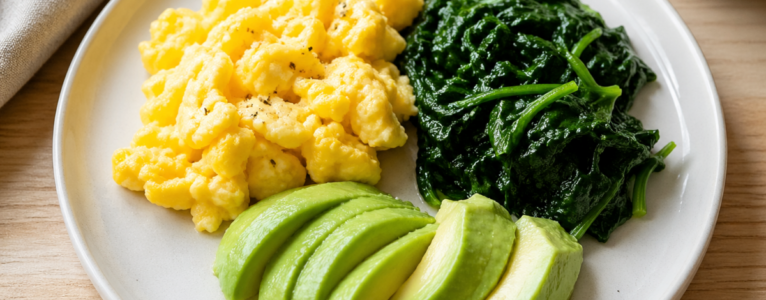
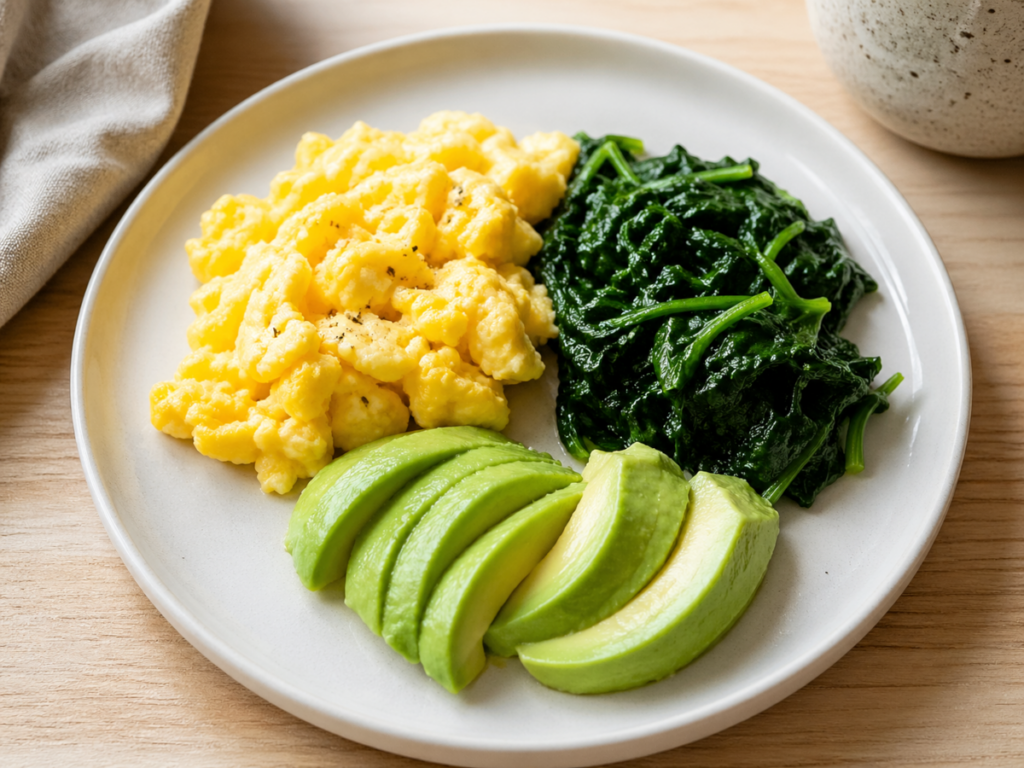
Eggs can also be a quiet lifesaver, especially pasture-raised eggs for those who tolerate them well. A soft scramble cooked slowly in olive oil or avocado oil can provide protein without requiring much chewing. Pair it with sautéed greens that have been cooked down until tender, or serve it beside a few bites of avocado if avocado sits well with you. When appetite is low, it is often better to make a small portion and allow yourself to come back later than to over-serve and feel defeated before you begin.
Meals That Feel Like Snacks, But Still Nourish
On low-appetite days, the line between a meal and a snack can blur, and that is perfectly fine. A “mini-meal” can be more useful than a formal breakfast, lunch, or dinner. This is especially true if your appetite comes in small windows. You might not want a full plate at noon, but you may tolerate a small cup of soup, a few bites of chicken salad wrapped in tender lettuce, or a little coconut yogurt with crushed walnuts.
The key is to make those small meals count. Empty calories may feel easy in the moment, but they often do not support energy for long. A better low-lectin mini-meal usually includes at least one anchor: protein, healthy fat, or a soft cooked vegetable. That could mean turkey slices rolled around avocado, a small salmon patty made with almond flour, or a cup of blended vegetable soup with collagen peptides stirred in after cooking. It does not need to be large to be useful.
Smooth foods can help when chewing feels tiring or when appetite is almost absent. A low-lectin smoothie can be made with unsweetened coconut milk, a small handful of berries, a spoonful of almond butter if tolerated, and a clean protein powder that fits your personal plan. Keep it modest. A giant smoothie can become just as overwhelming as a giant meal. Think of it as a drinkable mini-meal, not a challenge.
Broths deserve special mention because they are often the easiest first step back toward eating. Bone broth, chicken broth, or vegetable broth can be warmed and sipped slowly. Add sea salt if appropriate for your needs, a drizzle of olive oil for energy, or a small amount of shredded chicken if you want more substance. Cleveland Clinic notes that liquid meals can sometimes be easier for people with low appetite, and this can be adapted in a low-lectin way without reaching for sugary meal replacements.
Keeping Low-Lectin Without Making Food Complicated
When appetite is low, decision fatigue is real. The more choices you have to make, the less likely you are to eat anything. This is why it helps to create a few “safe default” meals before you need them. These are not emergency meals in the dramatic sense. They are calm meals. Meals you can make almost on autopilot.
One default might be broth plus shredded chicken. Another might be soft eggs with cooked spinach. Another might be mashed cauliflower with olive oil and turkey. Another might be coconut yogurt with a few berries and walnuts. Another might be a small bowl of pressure-cooked millet, if millet fits your version of low-lectin eating, topped with ghee or olive oil and a little sea salt. These meals are not flashy, but they are dependable, and dependable matters when your appetite is unreliable.
Pressure cooking can also be useful for people who include certain lectin-containing foods only when properly prepared. For example, some low-lectin approaches allow pressure-cooked legumes or grains in limited personal contexts, while others avoid them entirely. The important point is that preparation changes the conversation. Research and nutrition guidance consistently distinguish raw or undercooked high-lectin foods from properly cooked foods, especially with legumes. If your plan is stricter, stay with your known safe foods. If your plan is more flexible, use preparation methods intentionally.
Nightshades are another place where simplicity helps. Tomatoes, peppers, eggplant, and white potatoes are often avoided in low-lectin plans, especially because many lectins and irritating compounds are concentrated in seeds and skins. On low-appetite days, it is usually easier to skip them than to engineer a workaround. Reach instead for peeled carrots, cauliflower, celery, mushrooms, leafy greens, asparagus, zucchini if peeled and deseeded according to your tolerance, or well-cooked cruciferous vegetables in small portions.
Seasoning should support the meal, not dominate it. Ginger, parsley, basil, thyme, garlic-infused oil, lemon zest, and a little sea salt can add interest without overwhelming the senses. Strong smells can shut appetite down quickly, so this may not be the time for a heavily browned steak or a pan full of onions frying aggressively. Gentle cooking smells are your friend.
A Low-Appetite Day Does Not Mean You Failed
One of the hardest parts of any wellness lifestyle is the emotional layer. When appetite drops, people often worry they are falling off track. They may feel guilty for eating too little, frustrated by limited choices, or tempted to grab whatever is easiest because cooking feels impossible. This is where compassion has to become part of the plan. A low-lectin lifestyle is meant to support your body, not punish you for having a human day.
Think in terms of “minimum viable nourishment.” That might mean three tiny meals instead of three full meals. It might mean sipping broth before trying solid food. It might mean eating the same simple meal twice in one day because that is what your body accepts. It might mean prioritizing protein at the time of day when your appetite is strongest, then using lighter foods later.
If low appetite lasts more than a short spell, comes with unexplained weight loss, persistent nausea, pain, vomiting, swallowing trouble, dehydration, or major changes in digestion, it is worth speaking with a healthcare professional. Appetite is a signal, and sometimes it deserves investigation. But for ordinary low-appetite days caused by stress, recovery, heat, fatigue, or a sensitive stomach, simple meals can help you stay nourished without forcing food.
The most useful low-lectin meals for these moments are not the most impressive ones. They are the ones you will actually eat. A warm bowl of chicken and cauliflower soup. A soft egg with tender greens. A spoonful of coconut yogurt with berries. A mug of broth. A small plate of mashed cauliflower and turkey. These meals may look humble, but they carry an important message: you are still caring for yourself, even when your appetite is low.
Low-lectin eating does not have to be loud, elaborate, or perfect to be effective. Sometimes it is quiet. Sometimes it is a small bowl held in both hands. Sometimes it is five bites today and a little more tomorrow. The goal is to keep the door open to nourishment, gently and consistently, until your body is ready for more.