Starting a low-lectin lifestyle can feel strangely empowering. For many people, the first few weeks bring a sense of control they may not have felt in years. The bloating starts to calm down. The headaches become less frequent. Meals feel less chaotic. The body begins sending clearer signals, and suddenly food no longer feels like a mystery villain hiding in every bite.
That early relief is real for many people. It can also become a trap.
The danger is not that someone removes obvious problem foods. That is often the whole point of the early stage. The danger is that the person keeps shrinking the diet long after the first useful changes have been made. They remove beans, grains, nightshades, peanuts, cashews, conventional dairy, and processed foods, then keep going. Out go fruit, sauces, seasonings, leftovers, restaurant meals, snacks, and anything they did not personally prepare. Before long, the plan that was supposed to bring peace starts creating stress.
A low-lectin lifestyle works best when it is structured, not fear-based. The early stage should help a person identify patterns, reduce irritation, and rebuild confidence around food. It should not become a race to see how few foods a person can survive on.
The Early Stage Is a Reset, Not a Food Prison
The first phase of going low-lectin is often misunderstood. It is not meant to prove that every lectin-containing food is equally harmful for every person. It is a reset period. You reduce the biggest suspects, simplify meals, and give the digestive system a quieter environment so symptoms can be observed more clearly.
That does not mean every meal needs to become plain chicken, steamed greens, and water. That kind of approach may calm things temporarily, but it can also make the lifestyle feel grim. Most people do not quit because they hate wellness. They quit because the plan starts feeling joyless, socially awkward, expensive, and mentally exhausting.
A better reset has boundaries. It removes the most common high-lectin foods while keeping enough variety to support nutrition, satisfaction, and real life. That may include quality proteins, approved vegetables, olive oil, herbs, avocado, pressure-cooked or peeled ingredients when appropriate, compliant flours, resistant starch options that work for the individual, and simple sauces made from safe ingredients.
Restriction can be useful. Over-restriction is different. Restriction removes the loud noise so you can hear the body. Over-restriction removes so much that you can no longer tell whether you feel better from avoiding triggers or worse from under-eating, boredom, stress, or missing nutrients.
The “Safe Food” Spiral Is Sneaky
Many people begin with a few safe meals and feel better. That is a win. The problem starts when those meals become the only meals.
A person may discover that turkey patties, zucchini, olive oil, and sweet potatoes feel good. So they repeat them. Then they repeat them again. After a week or two, every other food starts to feel risky by comparison. The safe list becomes sacred. Even foods that are low-lectin in principle begin to feel suspicious because they are unfamiliar.
This is how food anxiety can dress itself up as discipline.
The body likes consistency, but it also needs variety. Different foods bring different fibers, minerals, polyphenols, amino acids, fats, and textures. Even in a low-lectin framework, variety matters. Eating five tolerated foods forever is not a badge of honor. It is a warning sign that the plan has become too narrow.
The goal is not to eat everything. The goal is to build a stable rotation of foods that you tolerate well and can actually enjoy. A person who eats ten to twenty well-chosen foods with confidence is usually in a better place than someone clinging to three foods out of fear.
Start With Categories, Not Endless Rules
One of the easiest ways to avoid over-restriction is to think in categories instead of memorizing giant forbidden lists. Food lists are helpful, but they can become overwhelming when every ingredient feels like a test.
A simple early framework might include a protein category, a vegetable category, a fat category, a flavor category, and an optional comfort category.
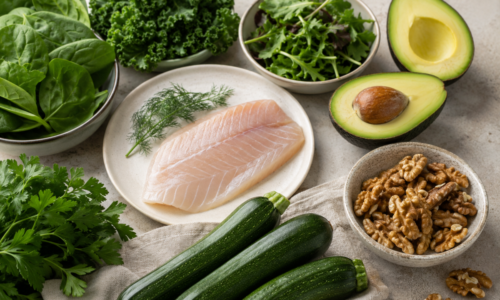
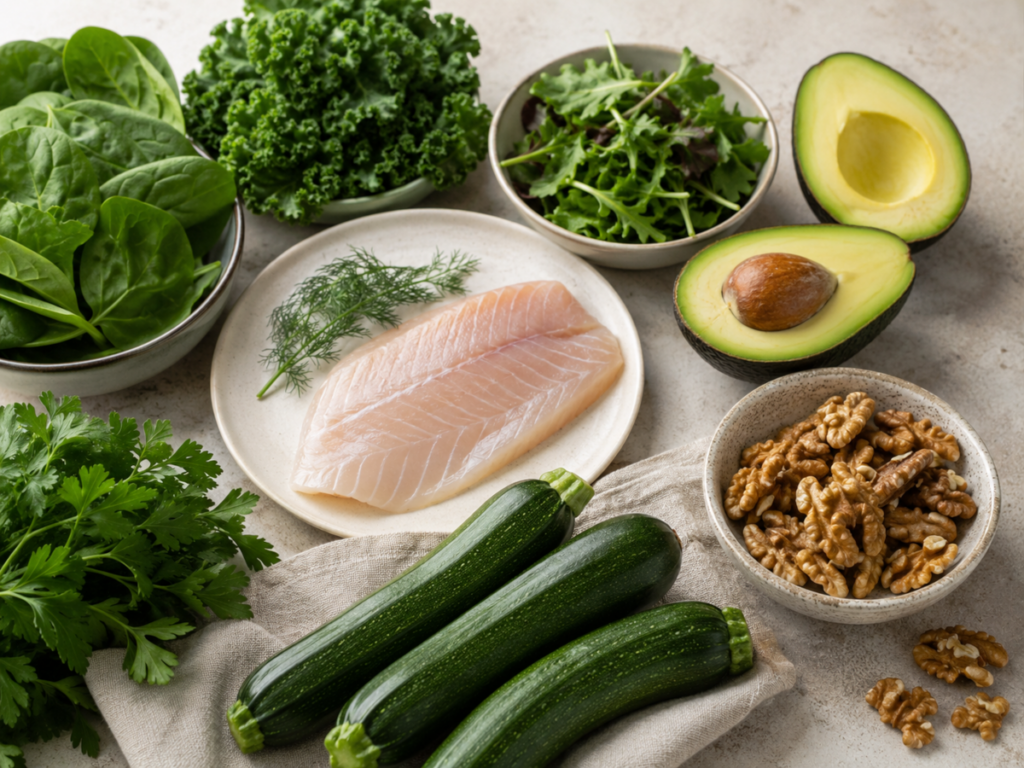
For protein, this could mean pasture-raised eggs if tolerated, poultry, wild-caught fish, grass-fed meats, or other clean proteins that fit the person’s needs. For vegetables, it could mean leafy greens, cruciferous vegetables, asparagus, mushrooms, peeled cucumber, zucchini, or pressure-cooked options where appropriate. For fats, olive oil, avocado oil, and certain tolerated nuts can help meals feel complete. For flavor, herbs, garlic-infused oil, lemon, vinegar, ginger, sea salt, and compliant spices can make the difference between a diet and a lifestyle.
The comfort category matters more than people admit. Food is not only fuel. A warm muffin made with approved flour, a simple soup, a creamy avocado pudding, or a satisfying breakfast hash can keep someone from feeling punished by their own health choices.
People who skip comfort foods often do well for ten days, then crash hard. They do not always fall off because the plan failed. They fall off because they tried to turn eating into a joyless compliance test.
Do Not Confuse “Simple” With “Tiny”
Simple meals are useful in the beginning. Tiny meals are not.
A low-lectin plate can be simple without being inadequate. A good early plate might include salmon, roasted cauliflower, sautéed greens, olive oil, and a small portion of sweet potato if tolerated. That is still a real meal. It has protein, fiber, fat, minerals, and satisfaction. Compare that with a few bites of plain chicken and cucumber because someone is afraid to add anything else. One meal teaches stability. The other teaches fear.
Under-eating can mimic food sensitivity. Low energy, irritability, poor sleep, constipation, headaches, and cravings can all show up when intake is too low. Then the person blames the last food they added, even if the real problem is that the overall diet has become too limited.
This is especially common among people who remove grains, beans, dairy, sugar, processed snacks, and restaurant food all at once. The old diet may have been irritating, but it was also supplying calories. If the replacement diet is too light, the body may protest.
The fix is not to return to old trigger foods. The fix is to build fuller low-lectin meals.
Track Patterns Without Turning Meals Into Court Cases
Tracking can be incredibly helpful. It can also become obsessive if every bite gets treated like evidence.
In the early stage, tracking should answer a few basic questions. What did you eat? How did you sleep? What symptoms showed up? How strong were they? Did stress, exercise, hydration, medication, alcohol, or timing play a role?
Food is not the only variable. A person may react after eating a new vegetable and blame the vegetable, while ignoring the fact that they slept four hours, skipped lunch, drank too much coffee, and ate dinner at 10 p.m. The body is not a spreadsheet. Symptoms can have multiple inputs.
A calm tracking method works better than panic logging. Write enough to see patterns, not so much that the journal becomes a second full-time job. If a food causes a clear reaction more than once under normal conditions, it deserves caution. If a food seems questionable once during a stressful week, it may need a cleaner retest before being banned forever.
The phrase “not right now” is useful. It keeps the door open. Instead of declaring, “I can never eat this again,” try, “This may not work for me right now.” That small shift keeps the mind from turning temporary experiments into permanent fear.
Reintroductions Should Be Boring on Purpose
Reintroducing foods does not need drama. In fact, boring is better.
Add one food at a time. Keep the rest of the meal familiar. Use a small portion. Watch for patterns over the next day or two. Do not test five new foods, a new supplement, a restaurant meal, and a late-night dessert in the same weekend, then try to identify the problem. That is not a test. That is noise.
A good reintroduction might look like adding a small amount of peeled, pressure-cooked tomato sauce to an otherwise familiar meal. Or adding a few blanched almonds after a week of tolerating walnuts. Or testing A2 dairy separately from conventional dairy instead of lumping all dairy together.
This approach keeps the lifestyle flexible. It also respects the fact that preparation matters. A peeled, seeded, pressure-cooked ingredient may behave differently for some people than the same ingredient raw, unpeeled, or eaten in a processed product with additives.
The early stage should teach skill, not fear. Peeling, deseeding, pressure cooking, soaking where appropriate, choosing better-quality ingredients, and pairing foods wisely can sometimes turn a questionable food into a tolerated one.
Keep Flavor in the Plan From Day One
Bland food is one of the fastest routes to burnout. People often assume the early stage has to be plain because they are removing so many familiar ingredients. That is not true.
Flavor can come from herbs, citrus, vinegars, infused oils, compliant spice blends, roasted garlic flavor, ginger, rosemary, thyme, basil, cilantro, parsley, and good salt. Texture can come from crisp vegetables, roasted edges, creamy sauces, crunchy approved nuts, tender meats, and warm soups. A low-lectin meal can still feel like dinner.
This matters because the brain keeps score. If every meal feels like deprivation, the old foods become more emotionally powerful. Pizza, pasta, chips, and sweets start looking less like triggers and more like freedom. That is a bad setup.
A better setup is to create low-lectin meals that feel complete enough that you are not constantly bargaining with yourself. The meal does not need to imitate every old favorite. It just needs to satisfy the part of you that wants warmth, flavor, and normalcy.
Avoid Turning Low-Lectin Into a Purity Contest
There is a strange pressure in many wellness spaces to become more and more strict over time. Someone removes gluten, then grains, then dairy, then fruit, then seasoning, then leftovers, then anything not organic, then anything not cooked at home. The stricter person can start to sound more serious, more committed, more “clean.”
That mindset is not health. It is performance.
A sustainable low-lectin lifestyle should make daily life better, not smaller. There will be people who need tighter limits because their symptoms are severe or their medical situation demands careful supervision. That is real. But many beginners restrict far beyond what their body has actually shown them.
The question should not be, “How strict can I be?” The better question is, “What is the least restrictive version that still gives me good results?”
That question protects both health and sanity. It allows room for personal tolerance, food enjoyment, family meals, travel, holidays, and gradual learning. It also prevents the all-or-nothing crash where one imperfect meal turns into three weeks of giving up.
Build a “Green List” Before You Build a Bigger “No List”
Many beginners spend most of their energy building the forbidden list. No beans. No wheat. No peanuts. No conventional tomatoes. No peppers. No processed snacks. No mystery sauces. No cheap oils. No this. No that.
The “no list” has a role, but it cannot be the center of the lifestyle. People need a green list. They need meals they can make on a tired Tuesday. They need snacks that do not require a research project. They need restaurant fallback choices. They need simple breakfasts. They need sauces. They need backup foods in the freezer.
A useful green list includes proteins, vegetables, fats, seasonings, drinks, snacks, quick meals, batch meals, and comfort foods. It should be personal. If eggs do not work, they do not belong on your green list. If sweet potatoes work beautifully, they may deserve a spot. If walnuts feel good but almonds do not, write that down.
The green list is where confidence grows. It changes the tone from “I can’t eat anything” to “I know what works.”
Social Eating Needs a Plan, Not Panic
The early stage can make social meals feel risky. Restaurants use hidden oils, sauces, grains, beans, dairy, and seasonings. Friends may not understand. Family may mean well but still cook in ways that do not fit your needs.
Avoiding every social situation may seem easier at first, but isolation is not a great long-term food strategy. A better approach is to have a plan.
Eat a small safe meal before going if needed. Look at menus ahead of time. Choose grilled protein, simple vegetables, salads without risky toppings, olive oil and lemon when available, or plain sides that can be adjusted. Ask simple questions without giving a lecture. Bring a dish to gatherings when appropriate. Keep compliant snacks available so hunger does not make every decision harder.
No one needs to explain the entire science of lectins at a dinner table. A calm “I’m keeping things simple for my digestion right now” is often enough.
Know When to Get Help
Over-restriction becomes more serious when food fear starts running daily life. Warning signs include rapid weight loss without trying, avoiding most meals away from home, feeling guilt after eating tolerated foods, cutting out entire food groups without a clear reason, feeling afraid to reintroduce anything, or having a safe list that keeps getting smaller.
People with diabetes, kidney disease, eating disorder history, pregnancy, autoimmune disease, significant GI symptoms, or major medication changes should be especially careful about major diet changes. A low-lectin approach can still be practical, but it may need a more guided structure.
A good practitioner will not shame you for wanting to avoid triggers. They should help you keep the plan nutritionally sound, realistic, and matched to your actual body instead of internet fear.
The Best Early Plan Leaves Room to Grow
The first weeks of low-lectin eating should feel like building a foundation. Remove the biggest irritants. Keep meals simple. Track enough to learn. Add flavor. Eat enough. Protect variety. Retest thoughtfully. Build a green list. Let the plan become more personal over time.
The strongest version of this lifestyle is not the smallest plate. It is the plate that gives your body relief while still leaving you with enough food, pleasure, and flexibility to keep going.