Busy days have a way of exposing every weak spot in a diet plan. A calm low-lectin routine can feel easy on a Sunday afternoon with clean counters, roasted vegetables cooling on a tray, and protein already portioned in the fridge. Then Tuesday happens. The phone rings, errands stack up, work runs late, someone needs something, and dinner becomes a decision made while standing in front of an open refrigerator with the patience of a hungry raccoon. That is where emergency meals matter.
A low-lectin lifestyle does not fall apart because someone forgot how to cook. It usually falls apart because there was no backup plan. Hunger gets loud. Convenience wins. The old foods start looking reasonable again because they are fast, familiar, and everywhere. Bread, pasta, chips, cereal, drive-thru meals, and leftover pizza do not need much negotiation when the body is tired and the brain wants relief.
Emergency meals are not fancy. They are not meant to impress anyone. They are the meals that keep you from drifting into choices you already know may not work well for your digestion, energy, joints, skin, head, or overall sense of wellness. They are simple, repeatable, and built from foods you trust.
The Real Goal Is Not Perfection
A low-lectin emergency meal is not supposed to be the best meal of the week. That is the wrong standard. The real goal is to stay fed without inviting chaos. On a busy day, the best meal may be a bowl of reheated chicken, olive oil, avocado, and greens. It may be eggs with sautéed spinach. It may be a can of wild fish over a pile of arugula with lemon and sea salt. That might not sound like a magazine spread, but it does the job. It gives the body protein, fat, minerals, and fiber without turning the kitchen into a project.
This is where many people make low-lectin living harder than it has to be. They think every meal needs to look like a planned recipe. It does not. Some meals are assemblies. Some are leftovers. Some are “protein plus vegetable plus fat” on a plate while you stand there deciding whether you have the energy to sit down. That still counts.
Low-lectin consistency comes from lowering the number of decisions you have to make when you are tired. Emergency meals remove the drama. They turn “What can I possibly eat?” into “Which backup option do I want?”
The Emergency Meal Formula
The fastest low-lectin meals usually follow a simple structure. Start with protein, add a low-lectin vegetable, include a satisfying fat, and season it like you mean it.
Protein keeps the meal anchored. It helps with fullness and makes the plate feel like real food instead of a snack spiral. Good emergency proteins might include cooked chicken, turkey patties, pressure-cooked shredded meat, eggs, wild-caught canned salmon, sardines, tuna, or leftover grass-fed beef if that fits your version of the lifestyle.
Vegetables bring volume and texture. The easiest emergency vegetables are the ones that cook quickly or need no cooking at all. Leafy greens, arugula, romaine, cabbage, cauliflower rice, broccoli florets, asparagus, mushrooms, and peeled cucumber can all work well for many low-lectin eaters.
Fat makes the meal satisfying. Olive oil, avocado oil, avocado, olives, and compliant sauces can turn emergency food into something that feels deliberate instead of sad. A dry plate is how people end up rummaging through the pantry twenty minutes later.
Seasoning matters more than people admit. Salt, lemon, garlic, herbs, vinegar, ginger, and compliant spice blends can rescue plain food fast. A low-lectin meal without seasoning can feel like punishment. There is no medal for eating bland chicken in silence.
The Fridge Bowl Saves Busy Weeknights
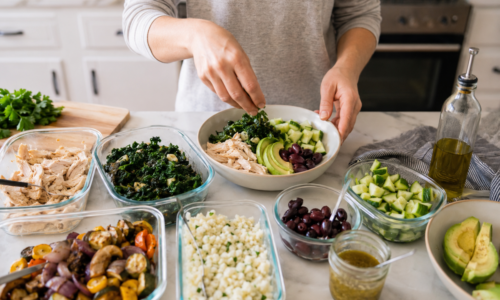
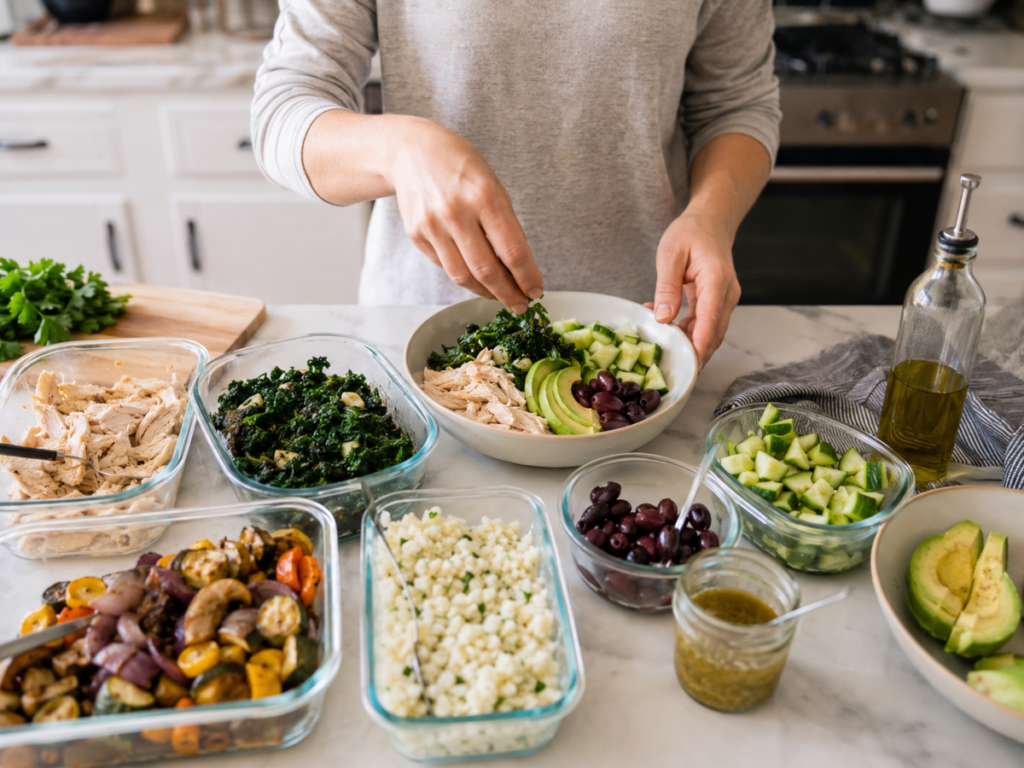
The fridge bowl is one of the most dependable emergency meals because it does not require a recipe. It requires pieces. Start with a base of greens or cauliflower rice. Add whatever cooked protein you have. Spoon in roasted vegetables, sliced avocado, olives, or leftover sautéed mushrooms. Finish with olive oil, lemon juice, sea salt, and herbs.
A good fridge bowl might look like shredded chicken over arugula with avocado, cucumber, olive oil, and lemon. Another version might be turkey patties sliced over cauliflower rice with sautéed greens and garlic. If you have leftover roasted cruciferous vegetables, even better. They add flavor without extra work.
The best part is that a fridge bowl lets leftovers stop pretending they need to become the same meal twice. A plain chicken breast from Monday can become a salad bowl on Tuesday and a skillet plate on Wednesday. That kind of reuse matters because boredom is one of the main reasons people wander away from their own plan.
Food safety still matters. Cooked leftovers should not become mystery objects living in the back of the fridge. Labeling containers with dates is not obsessive. It is practical. Nobody needs to gamble with chicken because the week got weird.
The Egg Plate Is Not Just Breakfast
Eggs are one of the great emergency foods, assuming they work for your body. They cook quickly, pair with almost anything, and can turn vegetables into a meal in less than ten minutes. A basic egg plate can be as simple as two or three eggs cooked in olive oil or avocado oil with spinach, mushrooms, or chopped leftover broccoli. Add avocado on the side and the meal suddenly has enough fat and fiber to feel complete.
Scrambled eggs with greens are fast. Fried eggs over cauliflower rice are better than they sound. A simple omelet with leftover turkey, herbs, and sautéed vegetables can feel like actual cooking even when you barely did anything.
The trick is to stop treating eggs as a morning-only food. On a busy night, eggs can be dinner. On a rushed afternoon, eggs can be lunch. If you are trying to avoid the panic meal, eggs are one of the easiest ways to stay out of trouble.
Canned Fish Deserves More Respect
Canned wild fish is not glamorous, but it may be one of the best low-lectin emergency meal tools in the pantry. It is shelf-stable, protein-rich, and ready in seconds. Wild salmon, sardines, and tuna can all become fast meals with very little effort.
The simplest version is canned salmon over greens with olive oil, lemon, and sea salt. Add avocado or olives if you want more richness. Sardines can go over arugula with sliced cucumber and herbs. Tuna can be mixed with avocado, olive oil, celery, and lemon for a no-mayo bowl that still feels creamy.
This is not the place to be squeamish. A pantry that contains no real emergency protein is a pantry that will betray you. Canned fish gives you a meal even when the fridge is empty, the grocery trip did not happen, and everyone in the house is pretending cereal is a reasonable dinner. For people who travel, work long hours, or get trapped in unpredictable days, canned fish can be the difference between staying on plan and making a choice that causes two days of regret.
The Freezer Is Your Emergency Department
A low-lectin freezer should not be a graveyard of forgotten good intentions. It should be active storage for future busy days. Cooked proteins freeze well when portioned correctly. Shredded chicken, meatballs made with compliant ingredients, cooked turkey patties, soup portions, and plain cooked meats can all become emergency meals. Freeze them flat or in single-meal containers so they thaw faster and do not require archaeological tools to separate.
Frozen vegetables are just as useful. Cauliflower rice, broccoli, spinach, asparagus, and other low-lectin vegetables can help build meals when fresh produce runs low. They may not always have the same texture as fresh, but emergency meals are about function first.
A freezer meal does not need to be a full casserole or stew. Sometimes the smartest freezer prep is just cooked protein. Add fresh fat, greens, and seasoning later. That gives you flexibility and keeps meals from tasting like the same reheated container over and over. The freezer also protects you from the most dangerous phrase in busy-day eating, “I’ll just grab something.” That phrase has taken down many good intentions.
Build a No-Cook Backup Plate
Some days, cooking is not happening. That is fine. A no-cook low-lectin plate can still be a real meal if it has structure. Start with a protein that is already cooked or shelf-stable. Add raw vegetables that fit your plan. Add fat. Add something sharp or salty for flavor.
A no-cook plate might include canned salmon, avocado, cucumber, olives, and romaine. Another might include leftover chicken, arugula, olive oil, lemon, and walnuts if tolerated. A snack-style version could include turkey slices made from clean ingredients, avocado, celery, and a small handful of approved nuts.
The danger with no-cook meals is that they can slide into grazing. Grazing feels convenient, but it often leaves people unsatisfied. A handful of nuts here, a slice of something there, a few bites while standing at the counter, and somehow the body still wants dinner. Put the food on a plate. Make it look like a meal. That small act changes how the brain receives it. Emergency meals should still feel like care, not surrender.
Sauces Make Repetition Bearable
Emergency meals fail when they taste like leftovers wearing a disguise. Sauces fix that. A simple olive oil and lemon dressing can carry salads, bowls, fish, and cooked vegetables. Garlic oil, herb oil, avocado dressing, compliant pesto-style sauces without problem ingredients, and tahini-free creamy dressings can all help depending on your personal tolerance and food rules. Keep two or three low-lectin sauces ready. Not twelve. Twelve sauces become clutter. Two or three become habits.
A bright lemon herb dressing can make chicken and greens feel fresh. A garlic olive oil sauce can make cauliflower rice and meat taste rich. A creamy avocado-lime blend can turn a plain bowl into something that feels planned. Flavor is not a luxury. Flavor is part of sustainability. People do not stay consistent with food that makes them feel deprived every time they open a container.
Pantry Staples That Actually Help
A low-lectin emergency pantry should be boring in the best possible way. It should contain items that quickly become meals, not foods that create temptation or confusion. Useful staples may include wild canned fish, compliant oils, olives, artichoke hearts, coconut milk without questionable additives, herbs, spices, sea salt, vinegar, and approved nuts or seeds if tolerated. Some people may also keep pressure-cooked compliant legumes if they personally include them and tolerate them, but this is where individual response matters.
A low-lectin pantry is not built by copying someone else’s perfect shelf. It is built by knowing which foods your body handles well. The goal is to remove guesswork from hard days. If a food repeatedly causes symptoms, it does not belong in the emergency plan just because it appears on somebody’s “safe” list. Emergency food should be boringly reliable. Save experiments for calm days.
The Five-Minute Skillet
The five-minute skillet is the cooked version of the fridge bowl. It works best when you already have protein ready. Heat olive oil or avocado oil in a pan. Add greens, mushrooms, cauliflower rice, or leftover vegetables. Add cooked chicken, turkey, beef, or fish near the end just to warm it through. Season with salt, garlic, herbs, and lemon.
That is it.
This kind of meal is not trying to be clever. It is trying to get hot food into a tired person without causing a dietary collapse. The skillet gives you warmth, texture, and the feeling of a cooked meal with very little effort. The key is not overcomplicating it. No measuring. No elaborate sauce. No digging through ten ingredients. Protein, vegetable, fat, seasoning. Done.
Emergency Meals for Workdays
Workdays need a different strategy because the danger often appears before dinner. Lunch gets delayed. Meetings run long. Someone brings food you did not plan for. You end up hungry in a place where your options are weak.
A dependable work emergency kit can help. Shelf-stable protein, a small bottle of olive oil, sea salt packets, approved nuts, and a backup container of greens or vegetables can prevent a bad lunch from turning into an all-day slide.
For packed meals, choose foods that still taste decent cold. Chicken salad made with avocado and lemon, salmon over greens, turkey patties with cucumber and olives, or leftover roasted vegetables with protein can all work. Avoid packing meals that only taste good freshly cooked. Those become sad desk lunches, and sad desk lunches lead to vending machines. The best work meal is the one you will actually eat. If it needs too many steps, special heating, or assembly that makes you feel ridiculous in a break room, it is probably not the right emergency plan.
Emergency Meals While Traveling
Travel is where many low-lectin routines get tested hard. Airports, gas stations, hotels, and roadside restaurants are not designed around your digestive peace. They are designed around speed, shelf life, and mass appeal.
Travel emergency meals require portable backups. Canned fish may not be welcome on a plane or in a shared office, but sealed packets of tuna or salmon can work in the right setting. Approved nuts, olive packs, clean jerky if tolerated, and simple produce like avocado or peeled cucumber can help. Hotel rooms with mini-fridges open more options, especially if you can grab greens, boiled eggs, or plain cooked protein from a grocery store.
Restaurant emergency choices are usually simple. Plain grilled protein, salad greens, olive oil, lemon, and non-nightshade vegetables are often safer than sauces, breaded items, soups, or mixed dishes with hidden ingredients. The less complicated the order, the easier it is to spot problems. Travel is not the time to prove how adventurous you are. Eat simply, stay steady, and save the experiments for home.
The Emergency Meal Prep Session
Meal prep does not need to consume half a day. A useful low-lectin prep session can be small. Cook one protein. Wash or prep one green. Make one sauce. Roast or steam one vegetable. That alone can create several emergency meals.
For example, cook a batch of chicken thighs, wash romaine, make lemon herb dressing, and roast broccoli. That gives you chicken salad bowls, skillet chicken with broccoli, lettuce wraps, and no-cook plates. Nothing fancy. Very effective.
The mistake is trying to prep an entire week of perfect meals. That sounds efficient, but it often becomes exhausting. Smaller prep is easier to repeat. Repetition beats ambition here. A good prep session should make tomorrow easier without ruining today.
Foods That Do Not Belong in the Emergency Plan
Emergency meals should not include foods that require debate every time you eat them. If you have to ask whether the food is worth the reaction, it is not an emergency food. It is a gamble. For many low-lectin eaters, common problem foods include wheat-based products, corn-based snacks, conventional pasta, peanuts, cashews, undercooked beans, soy-heavy foods, and nightshade-heavy convenience meals. Individual tolerance varies, but emergency meals should come from your safest personal category, not your maybe category.
This also applies to “healthy” packaged foods. Grain-free crackers, protein bars, plant-based wraps, veggie chips, and clean-label snacks can still contain ingredients that do not fit your plan. Marketing does not make food low-lectin. Ingredient labels matter. Busy days are not good days for ingredient detective work. Keep your emergency foods simple enough that you already know what they are.
Make the Easy Choice the Safe Choice
The best emergency meal system is built before the emergency. That means keeping protein ready, stocking the freezer, maintaining a few pantry staples, and knowing your fastest meal formulas before hunger takes over.
Low-lectin living gets much easier when the safest choice is also the easiest choice. A container of cooked chicken at eye level beats a vague plan to “eat better.” Washed greens beat a head of lettuce you still need to clean. Frozen cauliflower rice beats waiting until you are starving to start chopping vegetables. Convenience is not the enemy. Bad convenience is the enemy. Build better convenience, and busy days stop having so much power over your plate.