The First 90 Days Are Not a Straight Line
The first 90 days of a low-lectin lifestyle can feel strange because most people expect healing to look like a clean upward climb. They imagine less bloating, better energy, clearer skin, calmer joints, deeper sleep, and a happier gut arriving in a neat order. Real life is messier. Some days feel dramatically better. Some days feel flat. A few days may even feel worse, especially if your body is adjusting to fewer processed foods, fewer grains, fewer legumes, less sugar, or a very different rhythm of eating. That does not mean the plan is failing. It means the body is changing.
A low-lectin lifestyle is not just about removing a few foods. It often changes the entire pattern of meals. Breakfast may shift away from cereal or toast. Lunch may move away from sandwiches. Dinner may include more pressure-cooked ingredients, peeled and deseeded vegetables, clean proteins, resistant starch choices, and simpler sauces. The gut notices that. Your appetite notices it. Your routines notice it. Your cravings definitely notice it.
Research around lectins is still developing, but modern reviews continue to recognize that lectins are a broad family of plant proteins, and their effects depend heavily on the type of lectin, the food source, the amount consumed, and how the food is prepared. Improperly prepared lectin-rich foods, especially some legumes, are well known to cause digestive illness in humans. Recent scientific reviews also discuss lectins as compounds with varied immune and inflammatory effects, rather than treating them as one simple category.
Week One Often Feels Like a Reset, Not a Cure
The first week is usually the loudest. People often feel a mix of excitement and irritation because the body is being asked to live without familiar fallback foods. Bread, pasta, tortillas, beans, peanut butter, snack bars, chips, conventional dairy, and nightshade-heavy sauces may have been doing more emotional work than anyone realized.
Some people feel lighter within days. Bloating may drop quickly. Reflux may calm down. Morning stiffness may soften. Others feel tired, cranky, hungry, or oddly unsatisfied after meals. That does not always mean they need more food. Sometimes they need better meal structure.
A weak first-week plate is usually too low in protein, too low in fat, or too dependent on “safe” substitutes. Cassava crackers, compliant cookies, and grain-free treats may be technically allowed in some versions of the lifestyle, but they do not build stability. The body needs real meals first. Protein, vegetables, healthy fats, minerals, and enough calories matter more than perfect label hunting.
This is also the week when people often mistake withdrawal for danger. Less sugar, less wheat, less snack food, and fewer ultra-processed foods can produce a real mood dip. Your body likes patterns, even when those patterns are not helping you. The goal during week one is not to feel reborn. The goal is to stop throwing random fuel at a stressed system and give digestion fewer battles at once.
Days 8 to 21 Are Where Patterns Begin to Speak
By the second and third week, the first clues usually show up. Not final answers. Clues. This is where a tracker becomes gold. Not an obsessive tracker, just a basic one. Meals, symptoms, sleep, bowel changes, headaches, joint pain, skin changes, mood, and energy are enough. Food reactions are not always immediate. Some sensitivities can show up hours later or even days later, which makes memory unreliable. Cleveland Clinic notes that food sensitivity symptoms can be delayed, sometimes taking up to three days to appear, which is one reason food journals can be useful during elimination-style eating.
In this phase, people often notice that one symptom improves before others. Digestion might calm before joint discomfort does. Sleep may improve before energy does. Skin may lag behind everything. That lag can be frustrating, but it makes sense. Different tissues recover at different speeds. The gut lining, immune signaling, microbiome shifts, blood sugar swings, fluid balance, and nervous system all respond on their own schedules.
This is also where hidden ingredients start to matter. A person may remove obvious lectin-heavy foods but keep getting tripped up by spice blends, gums, grain-based thickeners, soy derivatives, seed oils, conventional sauces, protein powders, or “healthy” gluten-free products made with corn, rice, oats, chickpea flour, pea protein, or potato starch. The food industry is sneaky. A clean-looking label can still be a digestive headache.
The Gut Does Not Heal in Silence
Digestive change can be noisy. Gas patterns may change. Bowel movements may shift. A person who was constipated may become more regular. Someone who had loose stools may need time to firm up. Some people experience a short period of unpredictability as fiber sources, meal timing, hydration, and fat intake all change.
The gut barrier is not just a passive wall. It is an active interface between food, microbes, immune cells, and the bloodstream. Research continues to link intestinal barrier function, gut microbiota, and systemic inflammation, especially in conditions where the gut lining becomes overly permeable or immune signaling becomes irritated.
That does not mean every symptom is “leaky gut,” and it does not mean every person needs a dramatic protocol. It means digestion is connected to the rest of the body in ways people often underestimate. A cranky gut can show up as fatigue. A poor night of sleep can show up as worse digestion the next day. Stress can tighten the whole system. Food is only one lever, but it is a big one.
During the first month, good signs may be subtle. Less urgency after meals. Less pressure under the ribs. Fewer afternoon crashes. A calmer stomach at bedtime. These small changes count. In fact, they may be more trustworthy than one dramatic “I feel amazing” day, because steady signals are easier to build on.
Days 22 to 45 Are the Reality Check
The middle stretch is where motivation gets tested. The novelty wears off. Other people start asking why you are eating differently. Restaurants get annoying. Family meals get complicated. You may miss convenience more than you miss the actual food.
This is where many people accidentally under-eat. They remove grains, beans, nightshades, conventional dairy, and processed snacks, then fail to replace the lost calories with satisfying meals. Feeling weak on a low-lectin plan does not prove the plan is bad. It may prove the plate is too thin.
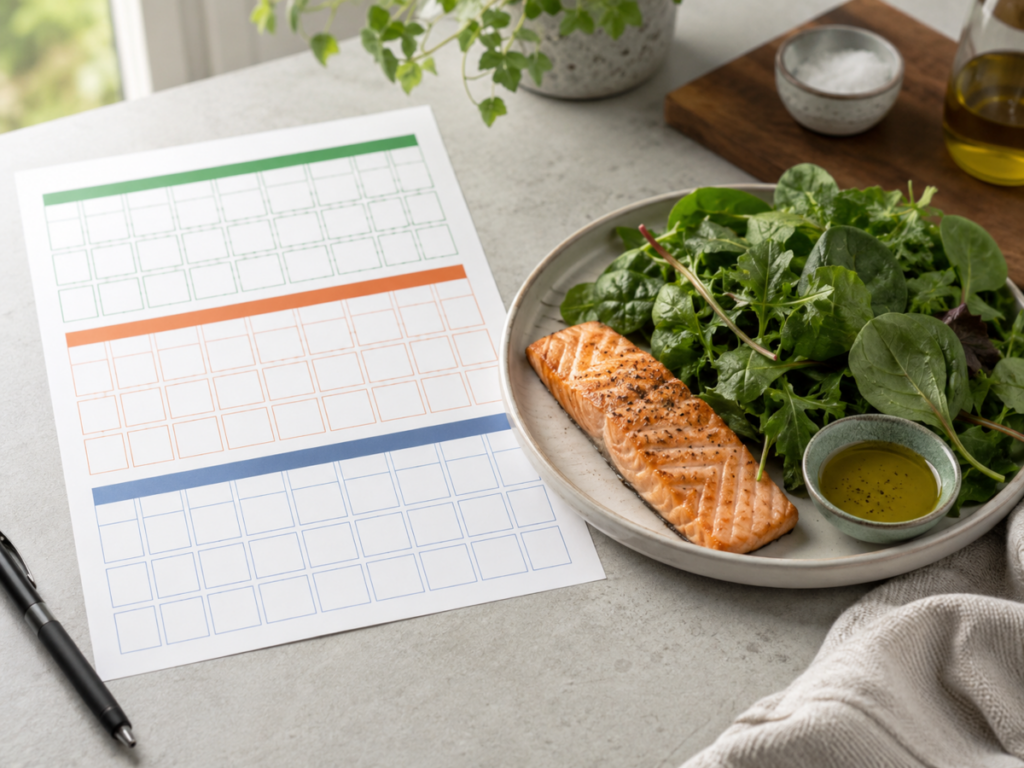
A better plate usually starts with protein. Wild-caught fish, pasture-raised eggs if tolerated, poultry, grass-fed meats, shellfish, or other clean protein choices can make the lifestyle feel grounded instead of restrictive. Add vegetables that fit your tolerance, then bring in fat from olive oil, avocado oil, olives, or approved nuts in reasonable amounts. Add resistant starches if they work for you, such as properly prepared sweet potato, green banana flour in small amounts, or pressure-cooked and cooled options that fit your version of the plan.
This phase also reveals the difference between “low lectin” and “low joy.” Food still has to taste good. Lemon, herbs, garlic-infused oil, ginger, sea salt, compliant vinegars, coconut aminos, and clean spice blends can make the difference between a plan you keep and a plan you resent. Bland food creates rebellion. Flavor keeps people honest.
Inflammation May Calm Before Strength Returns
People often expect reduced inflammation to feel like instant energy. Sometimes it does. More often, the body seems quieter before it feels stronger. A person might have less bloating and fewer headaches but still feel tired. That can be confusing. The old symptoms are fading, but the new vitality has not arrived yet. This middle zone is common because the body may no longer be fighting the same daily irritants, but it still has to rebuild rhythm. Sleep quality, minerals, hydration, protein intake, thyroid status, blood sugar stability, and overall calorie intake all matter.
A low-lectin lifestyle can remove friction, but it does not replace basic biology. You still need enough magnesium, sodium, potassium, amino acids, sunlight, movement, and rest. You still need to eat enough. You still need to chew your food instead of inhaling it at your desk like a raccoon with deadlines.
This is also the time to watch for overcorrection. Some people become so strict that they narrow their diet too far. That can backfire. A short elimination phase can be useful, but long-term eating needs variety where tolerated. Research on dietary change and the microbiome shows that the gut microbial community can respond quickly to food changes, and broader dietary diversity is often part of long-term gut resilience.
Days 46 to 60 Are Where Confidence Builds
Around the six to eight week mark, many people start to trust what they are seeing. They know which breakfasts keep them steady. They know which restaurant orders are risky. They know that a “small bite” of something can still matter. They know that sleep and stress can make a safe food feel less safe.
This is where the lifestyle becomes less theoretical. You stop arguing with every symptom and start reading patterns. If headaches drop from five days a week to one, that matters. If bloating goes from daily to occasional, that matters. If joint stiffness is still present but less sharp, that matters. Healing is often a dimmer switch, not a light switch.
The trap here is perfectionism. A person has one off-plan meal, feels rough, then declares the whole effort ruined. That is nonsense. A reaction is data. It may be unpleasant data, but it is still useful. The goal is not to earn a gold star for purity. The goal is to understand your body well enough to stop repeating the same mistake blindly.
Reintroduction Is Not a Cheat Day
By the final third of the first 90 days, some people are ready to test foods. Others are not. There is no prize for rushing. Ohio State’s guidance on elimination diets describes the elimination phase as often lasting one to three months, with improvement expected during that window if the approach is helping.
Reintroduction should be boring, controlled, and honest. That means one food at a time, in a reasonable amount, with several days of observation. It does not mean eating pizza, ice cream, salsa, peanuts, beer, and dessert in the same weekend, then blaming “lectins” as a group when your body files a complaint. A clean test gives clean information. A messy test gives drama.
For low-lectin living, reintroduction may also involve preparation methods, not just foods. A peeled and deseeded tomato cooked into sauce may behave differently than raw tomato slices. Pressure-cooked legumes may behave differently than canned beans. Blanched almonds may feel different than almond skins. A2 dairy may feel different than conventional dairy. These differences matter because lectin exposure is shaped by food type, portion, preparation, and personal tolerance.
Healing Looks Like Fewer Fire Drills
The first 90 days are less about becoming a new person and more about reducing the number of daily fire drills inside the body. Fewer urgent bathroom trips. Fewer mystery headaches. Fewer meals that sit like concrete. Fewer skin flares. Fewer energy crashes. Fewer mornings that begin with stiffness before your feet even hit the floor.
Some people get big wins. Others get quieter wins. The quieter wins are easy to miss because they show up as absence. You do not notice the reflux that did not happen. You do not celebrate the bloating that never arrived. You forget that three months ago you were dragging through every afternoon. This is why tracking helps. Your memory will normalize improvement faster than you think.
There may still be setbacks. Travel can disrupt everything. A restaurant sauce can hide soybean oil or flour. A supplement can contain rice powder. A stressful week can make digestion more reactive. Hormonal shifts, poor sleep, illness, antibiotics, alcohol, and overeating can all blur the picture. None of that means your progress vanished. It means the body is responsive, not broken.
The First 90 Days Should Make You More Skilled
A successful first 90 days does not require a flawless symptom chart. It should leave you more skilled than when you started. You should know how to build a safer plate. You should know which foods are obvious problems and which ones need more testing. You should know whether your biggest triggers are grains, legumes, nightshades, dairy, processed foods, certain oils, or meal timing.
You should also know what helps you recover after a reaction. For many people, that means returning to simple meals for a few days. Protein, cooked vegetables, broth, olive oil, hydration, sleep, and gentle movement are not glamorous, but they work better than panic. The body usually does not need punishment after a reaction. It needs fewer inputs and better support.
This is where the low-lectin lifestyle starts becoming personal. The book, the charts, the recipes, and the food lists give structure, but your body supplies the fine print. The first 90 days teach you how to read that fine print without turning every meal into a science experiment.
The Real Marker Is Stability
The most honest marker of healing in the first 90 days is stability. Not perfection. Stability. Stable digestion means meals are less unpredictable. Stable energy means you are not being dragged around by blood sugar swings all day. Stable mood means cravings and irritability are not running the show. Stable joints mean movement feels less like negotiation. Stable sleep means the body has a better chance to repair overnight.
That kind of stability is not flashy, but it is powerful. It gives people their confidence back. It makes planning easier. It makes grocery shopping less confusing. It makes restaurant choices less stressful. It also makes future testing safer because you are no longer guessing from a place of daily chaos.
By day 90, the goal is not to have every answer. The goal is to have fewer symptoms, better patterns, and enough trust in your own observations to keep refining the lifestyle without fear. Healing looks like waking up and realizing your body has stopped arguing with you about every single meal.