

There is something satisfying about preparing a meal outdoors after a long day of hiking. The surroundings are quiet, the air feels different, and even a simple bowl of warm food can become one of the highlights of the trip. For someone following a low-lectin lifestyle, however, preparing that meal requires a little more thought than grabbing a few instant noodles or a package of conventional freeze-dried backpacking food.
Most camping and backpacking meals are designed around convenience, shelf life, and calorie density. Beans, wheat-based pasta, peanut butter, soy protein, and heavily processed snack foods appear frequently because they are inexpensive, portable, and easy to store. These ingredients may not fit the preferences or tolerances of someone who has chosen to limit particular lectin-containing foods.
Fortunately, outdoor eating offers more flexibility than it initially appears. With a little preparation, it is possible to build satisfying meals around shelf-stable proteins, compact carbohydrates, dehydrated vegetables, healthy fats, and simple seasonings. Many of these foods require little more than hot water, while others can be eaten directly from their packaging.
The challenge is finding the right balance between nutrition, weight, food safety, and preparation time. A backpacker carrying everything for several days has different needs from someone camping beside a vehicle, but both can benefit from understanding which ingredients travel well and how to combine them into practical meals.
Understanding the Challenges of Low-Lectin Outdoor Eating
Backpacking places several demands on food that rarely matter as much in a home kitchen. Every ounce adds weight, refrigerated storage is generally unavailable, and cooking equipment may consist of a small stove and a single pot. Water and fuel can also be limited, making ingredients that require extended boiling or complicated preparation less appealing.
Following a low-lectin approach adds another consideration because some popular trail foods may be ingredients a person ordinarily avoids. Conventional protein bars often contain soy protein isolates, peanuts, or multiple grain ingredients. Ready-made backpacking dinners frequently rely on beans, lentils, wheat pasta, or other staples that some low-lectin eaters prefer to limit.
The scientific distinction between active lectins and foods that merely contain lectins is worth understanding. Lectins are naturally occurring proteins found in many plants, and their activity depends partly on the food and its preparation. Cooking can substantially reduce the activity of many lectins, especially those associated with properly cooked legumes. Research demonstrating broad health benefits from avoiding dietary lectins remains limited, so food selection is best approached through individual tolerance, nutritional needs, and preparation methods rather than assuming every lectin-containing food is harmful.
For outdoor cooking, one especially useful principle is to complete any demanding food preparation before leaving home. Ingredients that are already fully cooked, safely dried, or commercially heat-processed allow campers to spend less time preparing meals and more time enjoying their surroundings.
Building Meals Around Shelf-Stable Proteins
Protein deserves particular attention when planning meals for physically demanding outdoor activities. Hiking with a loaded backpack requires sustained muscular effort, and protein contributes to normal muscle maintenance and recovery. Including protein throughout the day can also help make meals more satisfying.
One of the easiest options is commercially packaged fish. Shelf-stable salmon, sardines, and canned light tuna provide protein without requiring refrigeration before opening. Flexible retort pouches are especially useful because they weigh less than metal cans and take up relatively little space.
The USDA recognizes properly processed retort pouches as shelf-stable foods, making them suitable for situations where refrigeration is unavailable. Packaging must be intact, and products labeled “Keep Refrigerated” should never be treated as shelf-stable simply because they come in a pouch.
Salmon works particularly well with instant rice, dried herbs, and olive oil. Sardines can be eaten with cassava crackers or paired with a simple vegetable-based meal. Tuna offers another practical choice, although frequent fish consumption should include variety because mercury levels differ among species. The FDA identifies salmon, sardines, and canned light tuna as lower-mercury choices compared with species such as albacore and bigeye tuna.
Meat-based options are also available. Shelf-stable chicken pouches, properly dried jerky, and certain commercially prepared meat snacks can provide convenient protein. Jerky labels deserve attention because some varieties contain soy sauce, wheat ingredients, added sugars, or seasonings that may not match an individual’s dietary preferences.
For those who eat eggs, commercially produced shelf-stable dried egg products can offer additional flexibility. These products must be prepared according to their instructions, with particular attention to cooking and handling requirements. Not every powdered egg product is suitable for storage without refrigeration, so the label matters.
Choosing Lightweight Carbohydrates That Fit a Low-Lectin Approach
Carbohydrates are valuable during hiking because they supply energy for sustained physical activity. Eliminating carbohydrate-rich foods simply to reduce lectin exposure can make it harder to obtain enough energy, particularly during long days on the trail.
White rice is one of the more practical choices for people who include it in their low-lectin eating pattern. Removing the bran and germ changes the composition of the grain, and commercially prepared instant white rice is especially convenient because it has already been cooked and dried. It can generally be rehydrated quickly, reducing both fuel consumption and cooking time.
Rice noodles offer another alternative to conventional wheat pasta. Plain versions made primarily from rice and water can be combined with dried vegetables, shelf-stable protein, and simple seasonings. Preparation times vary, so choosing quick-cooking varieties helps conserve fuel.
Millet can also fit into certain low-lectin eating patterns, depending on personal preference and tolerance. Conventional dry millet requires more cooking than many backpackers want to manage, but thoroughly precooked and dehydrated millet can be rehydrated more easily. Commercial instant millet products may offer similar convenience when available.
Cassava-based foods provide another option. Shelf-stable cassava crackers and commercially prepared cassava tortillas can serve as companions to fish, nut butter, or other portable ingredients. Cassava flour itself should not be assumed safe to eat without appropriate preparation, since raw or improperly processed cassava can contain harmful cyanogenic compounds.
Sweet potatoes offer useful carbohydrates as well. Commercially prepared dehydrated sweet potato flakes or fully cooked sweet potato products designed for rehydration can be incorporated into warm meals. A small amount of olive oil, garlic, and herbs can turn a basic serving into a more satisfying side dish.
Dehydrated Vegetables and the Importance of Preparation
Vegetables can be difficult to transport because fresh produce contains considerable water, adds bulk, and may bruise or spoil during travel. Dehydration changes those practical limitations by removing much of the moisture, allowing vegetables to occupy substantially less space.
Zucchini, carrots, leafy greens, mushrooms, and other suitable vegetables can be dried for outdoor use. These ingredients add flavor, texture, and dietary variety to otherwise simple meals, particularly when combined with instant rice or a warm broth.
Preparation before dehydration can be especially helpful for individuals following a more selective low-lectin approach. Zucchini can be peeled and deseeded before cooking and drying. Vegetables that someone prefers to eat cooked can be fully cooked before dehydration, provided safe drying procedures are followed.
Drying itself should not be treated as a dependable method of deactivating lectins. The preservation process removes moisture, but it does not necessarily provide the heat treatment needed to reduce the activity of particular lectins. This distinction becomes especially relevant when preparing homemade dried ingredients.
Commercial freeze-dried vegetables are another practical choice. Many require only rehydration, although some products are intended to be cooked before eating. Checking the ingredient list and preparation instructions helps avoid unexpected additions or insufficient cooking.
A small mixture of dried zucchini, mushrooms, and carrots can be added to rice for an easy evening meal. Dried spinach or other tolerated greens can provide additional variety, while dried herbs and garlic help create a more familiar home-cooked flavor.
Healthy Fats Make Lightweight Meals More Satisfying
Fat is particularly useful in backpacking meals because it provides concentrated energy without requiring large portions. This becomes valuable when food weight and available storage space are limited.
Extra virgin olive oil is an excellent example of a compact ingredient that can improve the flavor and energy content of a meal. Small, commercially sealed single-serving packets travel more conveniently than glass bottles and make portioning easier. Olive oil works well with rice, fish, cooked vegetables, and many simple camp meals.
Avocado oil and coconut oil are additional options for people who enjoy them. Coconut oil may solidify in cooler temperatures, which is not inherently a problem, although it can make dispensing less convenient. Small leakproof containers can be used when commercially packaged single servings are unavailable.
Nuts provide another concentrated source of energy. Macadamias, walnuts, pecans, and blanched almonds are commonly selected by people following particular low-lectin approaches, although tolerances and dietary rules differ. Their combination of fat, some protein, and portability makes them useful between meals.
Nut butters can also be practical if shelf-stable, single-serving varieties are available. Macadamia butter or blanched almond butter can be spread onto suitable crackers or eaten in small portions during hiking breaks. Products with added ingredients should be checked individually, especially when avoiding peanut, cashew, soy, or seed-based additives.
These calorie-dense foods are most useful as part of balanced meal planning. A handful of nuts or a packet of oil can add energy, but neither provides the full range of nutrients found in a varied selection of proteins, carbohydrates, fruits, and vegetables.
Breakfast Options That Require Minimal Cooking
Breakfast is often the simplest meal to prepare outdoors, especially when the ingredients can be assembled in advance. After waking in a tent or campsite, most people appreciate food that requires little effort before packing equipment and beginning the day’s activity.
A warm millet porridge is one option. Thoroughly precooked, dehydrated millet can be combined with hot water, cinnamon, and chopped macadamia nuts or walnuts. Unsweetened coconut milk powder can add richness, provided the product is shelf-stable and its ingredients meet personal preferences.
A second possibility is a simple breakfast built around shelf-stable egg products and a carbohydrate source. Properly prepared powdered eggs can be paired with cassava crackers or instant rice, offering a savory alternative to sweet breakfast foods.
For mornings when cooking is inconvenient, a combination of nuts, unsweetened dried coconut, and suitable dried fruit can provide a quick start. Dried blueberries, apples, or other tolerated fruits can offer variety, but portions and added sugar content deserve attention.
Homemade trail mixes can be assembled before departure, allowing complete control over their ingredients. Using familiar foods is especially helpful for anyone who experiences digestive discomfort from unfamiliar products.
Lunches That Work Without a Camp Stove
Lunch often happens beside a trail, on a rock overlooking a valley, or during a short break beneath the trees. Setting up a stove and cleaning cookware may be inconvenient, which makes ready-to-eat foods particularly appealing.
A salmon pouch paired with cassava crackers and a small serving of nuts creates a straightforward meal. Olive oil can be added when more energy is needed, while a few dried herbs or a travel-sized seasoning packet can improve flavor.
Shelf-stable chicken provides another option. It can be eaten with suitable crackers or paired with commercially prepared, ready-to-eat carbohydrate products that do not require refrigeration. Individual portions help reduce the need to store opened food.
A simple nut butter and cracker combination may also work well for shorter lunch breaks. Pairing it with dried fruit adds carbohydrates and makes the meal more substantial.
The goal is to create lunches that are easy to eat, provide enough energy, and do not demand an elaborate preparation process. A physically active person may need considerably more food than a typical light lunch provides, so portions should reflect hiking intensity, duration, and individual energy needs.
Low-Lectin Dinners Using One Pot and Hot Water
Dinner is often the meal where backpackers most appreciate something warm. After several hours of physical activity, a bowl of flavorful food can be more appealing than another handful of trail mix.
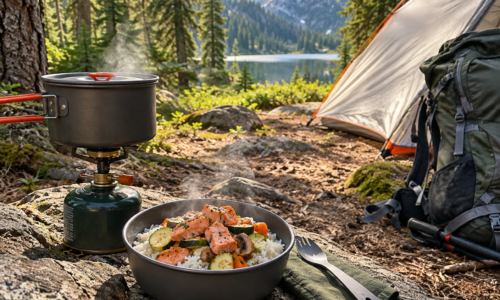
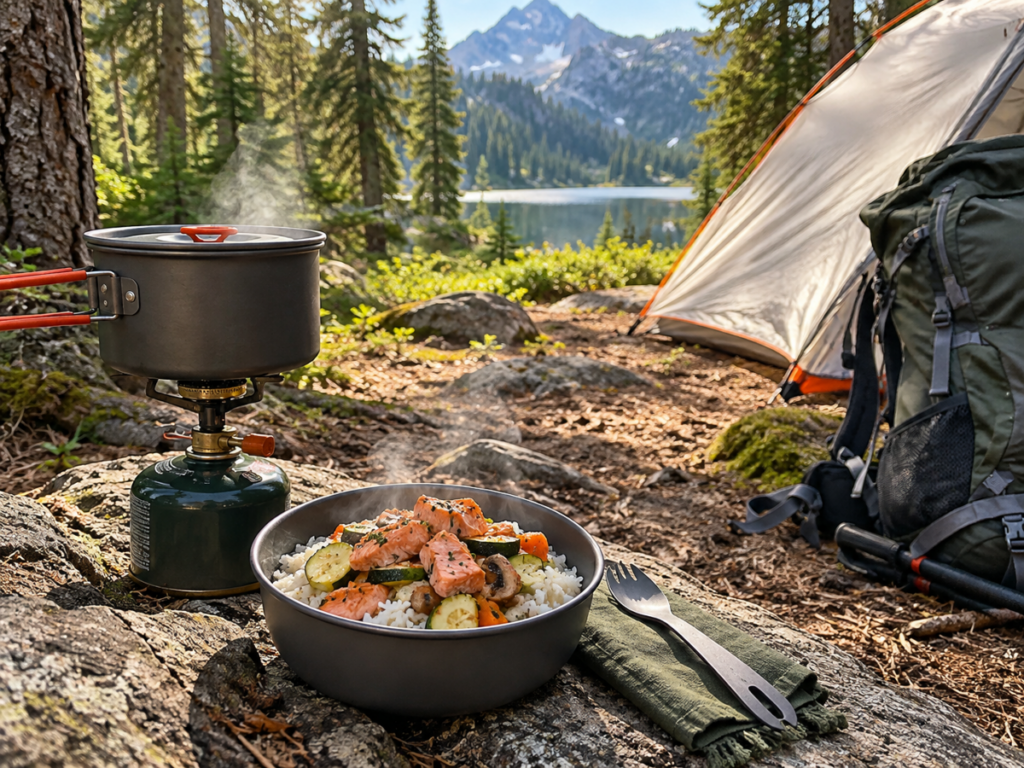
One practical combination is salmon with herbed rice and vegetables. Begin with instant white rice and a small serving of dehydrated zucchini, carrots, and mushrooms. Rehydrate and cook the ingredients according to their instructions, then stir in a shelf-stable salmon pouch, olive oil, garlic, and dried herbs.
Another option is savory sweet potato mash with chicken. Commercial dehydrated sweet potato flakes can be prepared with hot water, then combined with shelf-stable chicken and a small amount of olive oil. Garlic powder, parsley, and other tolerated seasonings can help create a comforting meal without requiring several cooking utensils.
A third possibility is rice noodle soup with vegetables and protein. Quick-cooking rice noodles can be combined with dehydrated greens, mushrooms, and a simple broth mixture. Shelf-stable chicken or fish can be added after the noodles and vegetables have cooked as directed.
These meals require few ingredients, and much of the preparation can be completed before leaving home. Separating dried ingredients into meal-sized packets makes it easier to prepare dinner without measuring quantities in the field.
Why Raw Beans and Long-Cooking Legumes Are Poor Backpacking Choices
Legumes deserve special consideration because some contain lectins that require adequate heat treatment to become safe. Red kidney beans are a well-documented example, with their naturally occurring phytohaemagglutinin capable of causing significant gastrointestinal illness when beans are eaten raw or undercooked.
The FDA advises soaking raw kidney beans for at least five hours and then boiling them in fresh water for at least 30 minutes. A backpacking stove operating with limited fuel is not a particularly convenient way to perform this preparation, especially if cooking temperatures and times are uncertain.
Commercially canned beans are different because they undergo substantial heat treatment during processing. Properly cooked beans are generally considered safe with respect to this particular lectin hazard, although someone following a restrictive low-lectin plan may still prefer to avoid them.
For outdoor meals, the simplest approach is to leave raw dried beans at home. Anyone who chooses to include legumes can select appropriately processed products consistent with their individual dietary needs.
This also illustrates why food labels alone cannot establish whether a product fits every low-lectin approach. The ingredient itself, its processing, the amount consumed, and personal tolerance all matter.
Shelf-stable foods make outdoor eating easier, but that convenience depends on keeping packages intact and following the manufacturer’s instructions. Once a pouch of fish or chicken is opened, its contents should be treated as perishable.
The USDA recommends refrigerating perishable foods within two hours, or within one hour when temperatures exceed 90°F. Since most backpackers cannot refrigerate leftovers, choosing portions that can be eaten immediately is generally the safest approach.
Homemade dehydrated meals introduce additional considerations. Foods must be fully cooked when appropriate, dried using safe methods, cooled, packaged correctly, and protected from moisture. Dehydration alone does not make every homemade food safe for extended storage at room temperature.
Extra care is warranted with homemade dried meat, eggs, dairy-containing meals, and complex cooked dishes. Following tested food preservation procedures is safer than assuming that a meal will keep simply because it feels dry.
Packaging also matters. Airtight, moisture-resistant food bags reduce exposure to humidity, and meal-sized portions limit repeated handling. Labels identifying each meal and its water requirements can make preparation much easier after dark or in poor weather.
Water, Hydration, and Cooking Fuel
Water plays two roles during a backpacking trip. It is needed for hydration, and it is often the main ingredient used to prepare dried meals.
Low-lectin meal planning should therefore account for the amount of water required by each dish. A soup that requires several cups of water may be reasonable at a campsite with a dependable water supply, but less attractive when water must be carried over a long distance.
Backcountry water should be treated appropriately before drinking or using it in meals. According to CDC guidance, clear water can be made safer from microbial contamination by bringing it to a rolling boil for one minute, or three minutes at elevations above 6,500 feet. Approved filtration and disinfection methods may also be suitable depending on the water source and equipment.
Hydration needs increase with heat, exertion, and individual sweat losses. Drinking regularly, eating enough food, and replacing electrolytes when appropriate help support physical activity. Campers who have been advised to limit sodium or manage fluid intake for a medical condition should follow their individualized guidance rather than automatically using high-sodium sports drinks.
Cooking fuel deserves similar planning. Instant rice, quick-cooking noodles, and fully precooked dried ingredients reduce the amount of time a stove must operate. Testing meals at home reveals how much water and fuel they actually require.
Planning a Three-Day Low-Lectin Backpacking Menu
A short backpacking trip provides an opportunity to practice meal preparation without carrying an excessive variety of ingredients. Repeating a few reliable staples can simplify packing while still allowing enough variation to keep meals interesting.
| Day | Breakfast | Lunch | Dinner |
| Day 1 | Precooked millet porridge with walnuts and cinnamon | Salmon pouch, cassava crackers, and dried fruit | Herbed instant white rice with dehydrated vegetables and chicken |
| Day 2 | Shelf-stable powdered eggs prepared as directed, with cassava crackers | Macadamia butter, crackers, and a nut-and-fruit mix | Rice noodle soup with dried greens, mushrooms, and salmon |
| Day 3 | Millet porridge with coconut milk powder and dried blueberries | Sardines, cassava crackers, and pecans | Sweet potato mash with shelf-stable chicken and dried herbs |
This menu is an example of meal combinations rather than a complete calorie prescription. Backpackers will also need snacks, adequate portions, drinking water, and potentially additional energy-dense foods based on their activity level. For some people, the listed meals would require substantial additions to meet daily needs.
Portioning food by day makes it easier to track supplies and avoid accidentally using ingredients intended for later meals. A separate emergency food reserve can be useful when weather, trail conditions, or travel delays extend the trip.
Packing Strategies for Less Weight and Less Waste
Food weight is a major consideration during backpacking, but the lightest possible menu is not necessarily the most practical. Foods that are unpleasant, difficult to prepare, or poorly tolerated have little value if they remain uneaten.
Dehydrated ingredients and dry carbohydrates generally provide favorable weight savings compared with foods containing large amounts of water. Retort pouches contribute more weight because their contents are moist, but they compensate by providing ready-to-eat protein without lengthy cooking.
Organizing ingredients into daily meal bags can simplify the process. Keeping seasonings in small containers, using flexible packaging where appropriate, and avoiding unnecessary glass jars or bulky cans all help conserve space.
Any repackaging should preserve food safety. Commercially sterilized wet foods should remain sealed in their original packaging until consumption, and manufacturer’s storage instructions must continue to apply.
Food storage regulations also matter. In areas where bears or other wildlife are present, food and scented supplies may need to be stored in approved bear-resistant containers or designated storage facilities. Requirements differ by location, and the National Park Service advises checking the rules before entering the backcountry.
Even empty wrappers, cooking utensils, and food scraps can attract wildlife. Packing out waste and securing food properly protects both campers and animals.
Testing Foods Before Taking Them Into the Backcountry
A remote campsite is a poor place to discover that an unfamiliar ingredient causes digestive discomfort. People who follow a low-lectin lifestyle because of personal food sensitivities may find it especially helpful to test new products before departure.
Commercial camping meals sometimes contain ingredients that are easy to overlook. Soy protein, peanut flour, wheat-based thickeners, bean powders, seed ingredients, and seasoning blends may appear in foods marketed as healthy or suitable for special diets.
Reading ingredient labels before purchasing helps identify potential concerns, but preparing the actual meal at home provides more useful information. Taste, texture, portion size, hydration requirements, and digestive tolerance can all be evaluated without the added demands of a long hike.
A brief food record may be useful for identifying patterns, particularly when testing unfamiliar dehydrated foods, protein products, or meal combinations. Symptoms should be considered in context, since physical exertion, heat, dehydration, changes in sleep, and altered meal schedules can also influence digestion.
The same trial run can reveal practical problems with cooking. Some dehydrated ingredients take much longer to soften than expected, while others require more water than the packaging suggests. Adjusting the recipe before the trip can prevent unnecessary fuel use and disappointing meals.
For longer backpacking trips, testing an entire day’s menu during a demanding practice hike can be particularly informative. It allows the hiker to see whether the food provides enough energy, whether portions are satisfying, and whether the preparation process works with the equipment being carried.
