The Future of Lectin Research: What Scientists Are Exploring Next
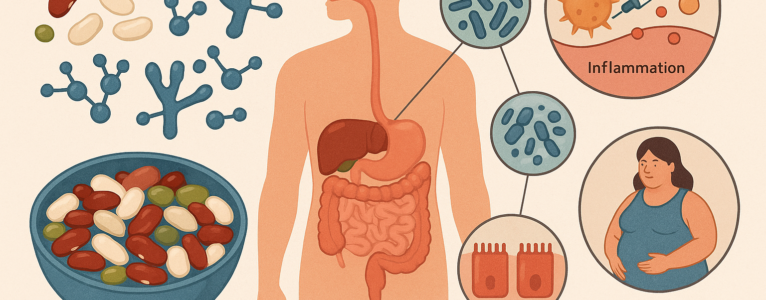
Lectins have always occupied a strange space in nutrition science that is fascinating, controversial, and often misunderstood.
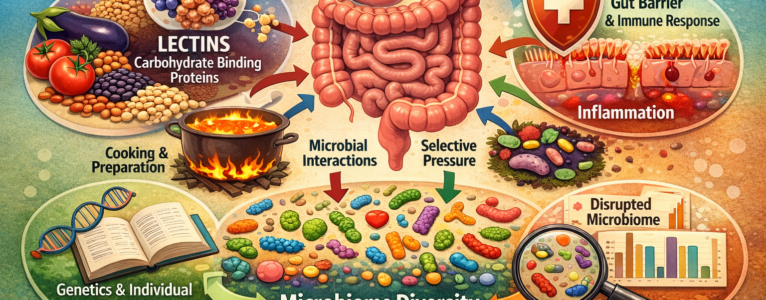
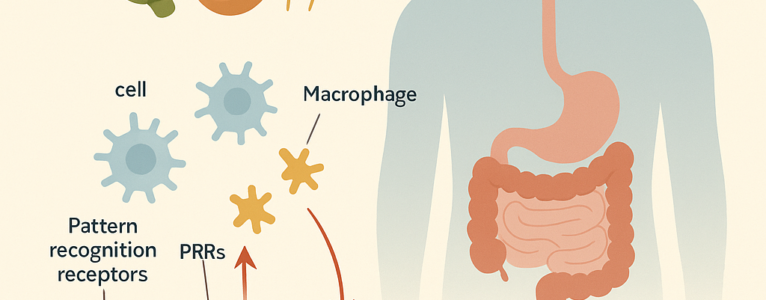
For those who want to dig deeper, this category examines the studies, scientific discussions, and evolving theories behind lectins, gut health, metabolic inflammation, and food-based immune responses. Articles summarize research in clear, accessible language while exploring both the benefits and limitations of current scientific understanding.
If you’re looking for evidence-based insight or want to stay current on emerging research, this section provides a balanced, thoughtful view of the science behind low-lectin living.
Lectins have always occupied a strange space in nutrition science that is fascinating, controversial, and often misunderstood.
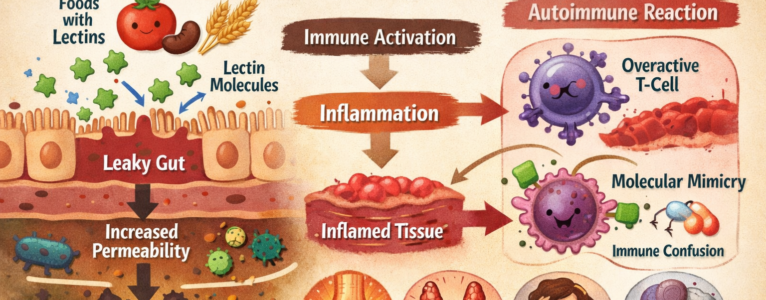
For anyone who has ever gone down the rabbit hole of gut health, the term lectins tends to appear with an almost mythical aura that is spoken of as invisible saboteurs hiding in ordinary foods, capable of wreaking havoc on the digestive lining
Modern nutrition research often circles back to a handful of food components that seem to spark endless debate like sugar, seed oils, gluten, processed additives, and more recently, lectins.
Most of the time, eating is simple: you choose a food, you enjoy it, and your body breaks it down for fuel. But for many people struggling with digestive symptoms, chronic bloating, mysterious fatigue, or inflammatory flare-ups, food doesn’t always feel neutral or nourishing. It can feel unpredictable, sometimes …