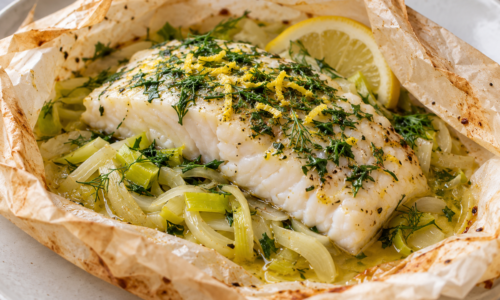
Wild-Caught Halibut En Papillote with Leeks, Fennel, and Grass-Fed Ghee
Wild-caught halibut is one of those fish that rewards a gentle cooking method.


Wild-caught halibut is one of those fish that rewards a gentle cooking method.
A low-lectin eating pattern can feel surprisingly good when it removes foods that have been difficult to tolerate, yet a digestive problem sometimes appears after the transition
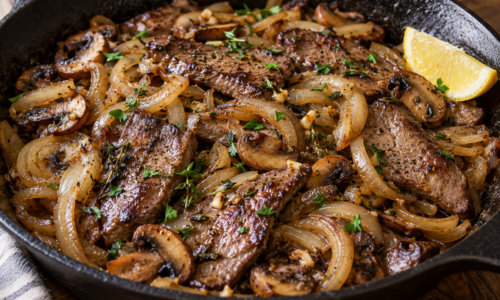
Beef liver tends to inspire strong reactions. Some people grew up eating liver and onions regularly, while others remember an overcooked piece of liver with a mineral-heavy flavor and a texture closer to shoe leather than dinner.
A low-lectin lifestyle usually directs the most attention toward plant foods, especially foods such as beans, certain grains, peanuts, and some seeds that can contain meaningful amounts of lectins unless they are prepared appropriately.
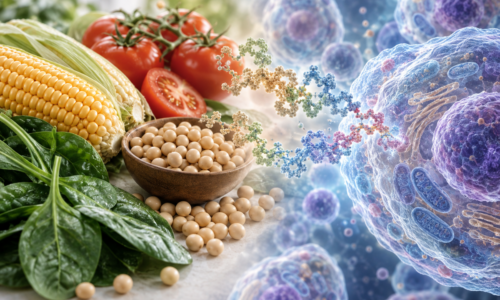
Aquaporins rarely come up in everyday conversations about food, yet they sit at the center of an interesting scientific question about immune cross-reactivity.
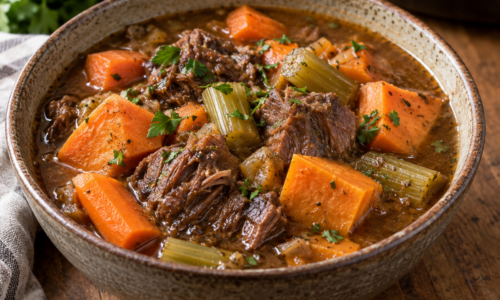
A pot of beef chuck, root vegetables, and broth is one of those meals that earns its place in a low-lectin kitchen because it is simple, filling, and easy to adapt.
A low-lectin kitchen often gets discussed in terms of ingredients: which foods to emphasize, which foods to limit, and which preparation methods may reduce lectin exposure.
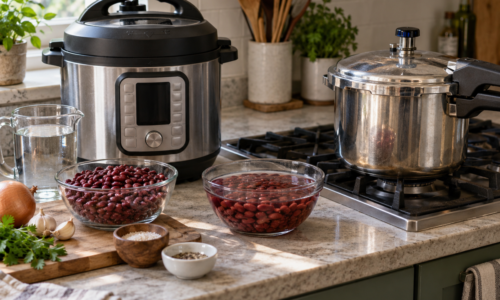
Pressure cooking has earned a special place in low-lectin kitchens because it combines moisture, heat, and pressure in a way that can sharply reduce the activity of heat-sensitive lectins in foods such as beans.
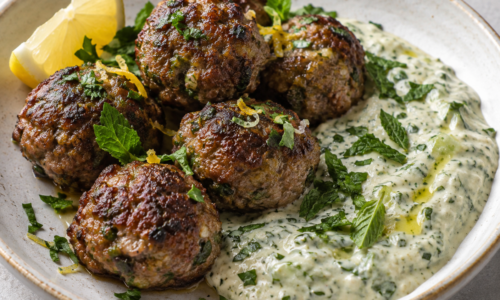
Lamb has a way of making a simple meatball feel like a complete dinner rather than an appetizer.
Keto and low-lectin eating can look like two restrictive diets competing for space on the same plate, but in practice they overlap more easily than their food lists might suggest.
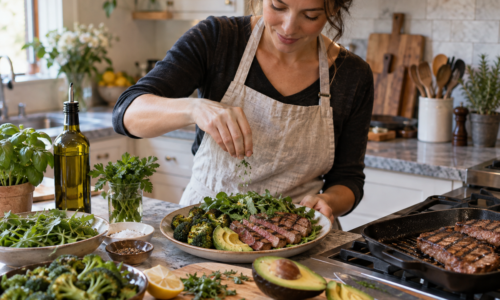
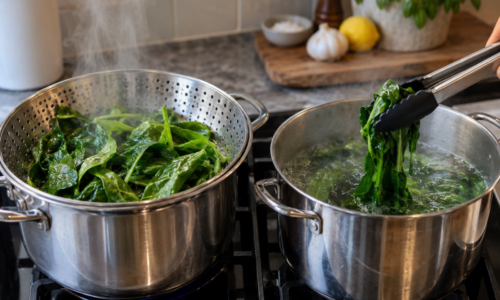
Tender greens can go from crisp and fresh to limp and dull in a matter of minutes, which is why the cooking method matters so much.
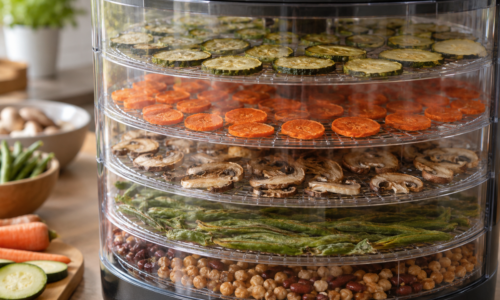
Dehydration can make food lighter, shelf-stable, portable, and intensely flavored, but those benefits come from one basic physical change: water leaves the food.
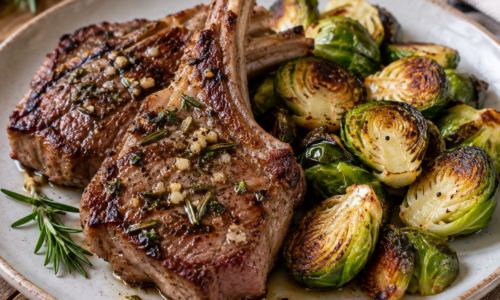
A plate of rosemary-garlic lamb chops beside crisp roasted Brussels sprouts is the kind of meal that works well for low-lectin eating because the ingredients are simple, the cooking methods are direct, and there is very little need for specialty substitutes.
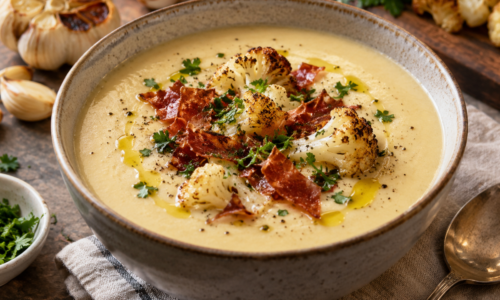
A bowl of cauliflower soup can be simple enough for a weeknight and still feel like something you would order at a small neighborhood restaurant.
For anyone following a low-lectin lifestyle, the word “lectin” usually brings food to mind. There is another side of lectin biology that rarely enters the dietary conversation.