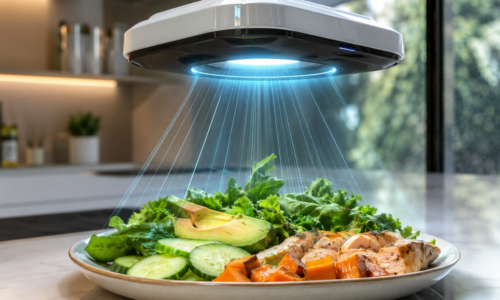
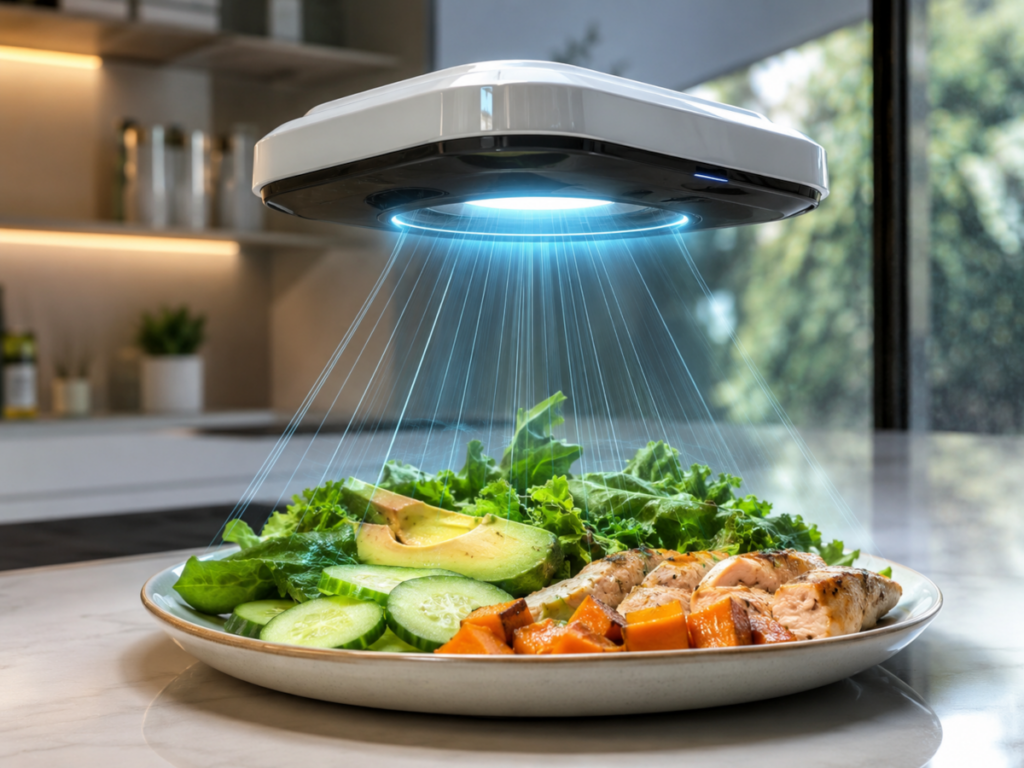
Food sensitivity has always lived in the frustrating gray area between “I know something is wrong” and “I cannot prove exactly what caused it.” For many people, the story begins the same way. A meal seems harmless, maybe even healthy by mainstream standards, and then hours later the body responds with bloating, cramping, fatigue, brain fog, reflux, headaches, joint discomfort, or the kind of digestive unpredictability that quietly shapes the rest of the day. The problem is not always dramatic enough to look like a classic allergy, but it is real enough to change how a person shops, cooks, travels, and trusts food.
This is one reason the low-lectin lifestyle resonates with people who have spent years trying to connect the dots. Lectins are not the only possible trigger in food, and not every lectin-containing food affects every person the same way. Still, many people notice patterns around beans, grains, nightshades, peanuts, cashews, and certain conventionally prepared foods that are hard to ignore. Today, much of that discovery still depends on careful observation, elimination, reintroduction, and honest tracking. In the future, technology may help us see what is happening beneath the surface with far more detail.
The exciting part is not that a device will magically tell everyone the perfect diet. That is unlikely, and frankly, it would probably be too simplistic. The more realistic promise is that future tools may help people understand their own food response patterns with greater precision. Instead of asking, “Is this food good or bad?” we may begin asking better questions, such as, “How does my body respond to this food, prepared this way, in this portion, under these conditions, at this point in my healing journey?”
The Problem With Guessing
Most people who struggle with food sensitivity already know that symptoms do not always arrive neatly. A food eaten at lunch may not feel like a problem until bedtime. A meal that seemed fine on Monday may feel terrible on Friday. Stress, sleep, hydration, exercise, hormones, medication, gut health, food preparation, portion size, and meal timing can all influence how the body handles the same ingredient.
This is why food sensitivity can feel so maddening. We want simple answers, but the body often responds in patterns rather than yes-or-no signals. Someone may tolerate peeled and pressure-cooked tomatoes in a sauce but react strongly to raw tomato skins and seeds. Another person may handle a small serving of properly prepared lentils once in a while but feel miserable after eating canned beans that were not pressure cooked. Someone else may discover that the food itself was not the whole issue, but the combination of poor sleep, stress, and a large portion pushed their digestion past its comfort zone.
Current testing can be helpful in specific situations, especially when true allergy is suspected. However, food sensitivity is not the same as a classic IgE-mediated food allergy. An allergy can involve immune reactions that may be dangerous and require medical diagnosis. Sensitivity or intolerance can involve digestion, inflammation, microbiome activity, enzyme limitations, gut barrier function, or nervous system responses. Those reactions are harder to measure with one simple test.
That leaves many people doing detective work at home. The food journal remains one of the most useful tools because it captures context. What did you eat? How was it prepared? What else was in the meal? How did you sleep? Were you stressed? Did symptoms appear right away or later? This kind of tracking may seem old-fashioned, but it creates the raw material future technology will probably need most: real-life pattern data.
From Food Logs to Body Signals
The next stage of food sensitivity technology will likely move beyond memory-based tracking. Instead of relying only on what a person remembers to write down, wearable devices and at-home sensors may collect body signals throughout the day. Continuous glucose monitors already show how differently people can respond to the same foods from a blood sugar perspective. While glucose is not the same thing as lectin sensitivity, it demonstrates an important principle: food response is personal.
In the future, we may see tools that combine meal photos, ingredient databases, glucose patterns, heart rate variability, sleep quality, stress markers, digestive symptoms, and activity levels into one clearer picture. A phone may recognize that a meal contained tomatoes, peppers, wheat, beans, or dairy. A wearable may notice that after certain meals, the body shows changes in heart rate, temperature, sleep disruption, or recovery patterns. A digestive tracking app may connect those signals with bloating, stool changes, reflux, fatigue, or headaches recorded later.
For low-lectin readers, this could be especially useful because preparation methods matter so much. A simple food label does not tell the whole story. A future app may eventually distinguish between raw tomato salsa and pressure-cooked, peeled, seeded tomato sauce. It may recognize that canned beans, soaked beans, sprouted legumes, and pressure-cooked legumes are not equal from a lectin-reduction standpoint. It may even help people identify whether their response is connected to a specific ingredient, a food family, a preparation method, or a cumulative load from several meals in a row.
This is where artificial intelligence could become genuinely helpful, not as a replacement for human judgment, but as a pattern-finding assistant. Humans are emotional and busy. We forget details. We blame the most recent food even when the real pattern has been building for several days. A well-designed tool could notice that symptoms are more likely after a cluster of meals containing wheat, tomatoes, and poor sleep, rather than blaming one isolated dinner. That kind of insight could help people make calmer, more targeted changes instead of removing half their pantry out of fear.
The Microbiome May Become Part of the Map
One of the most interesting frontiers in food sensitivity is the gut microbiome. The gut is not just a hollow tube where food passes through. It is an ecosystem filled with bacteria, fungi, immune cells, mucus layers, digestive enzymes, nerve endings, and chemical messengers. When that system is balanced, it can help break down food, produce beneficial compounds, regulate immune responses, and support the gut barrier. When it is disrupted, foods that were once tolerated may begin to feel irritating.
Future technology may reveal that some food reactions are not only about the food itself, but about the condition of the gut environment receiving that food. Two people can eat the same meal and have very different outcomes because their microbial communities, immune tone, enzyme activity, and gut barrier integrity are different. Even the same person may respond differently over time as their gut changes.
This matters for the low-lectin lifestyle because lectins interact with carbohydrate structures in the body and can be difficult to fully neutralize when foods are poorly prepared. Some plant lectins are reduced significantly through proper methods such as soaking, peeling, deseeding, fermenting, boiling, and especially pressure cooking, depending on the food. But tolerance is still personal. A gut that is irritated, inflamed, or recovering may respond differently than a gut that is stable and resilient.
At-home microbiome testing already exists, but it is still limited. Many results are interesting without being fully actionable. The future may bring more useful versions that connect microbiome patterns with symptom history, food preparation methods, stool consistency, inflammation markers, and metabolic data. Instead of simply telling someone they have more or less of a certain bacterial group, future tools may help explain what that pattern could mean in daily food choices.
Imagine a person who reacts to legumes. Future testing might help distinguish whether the issue appears related to lectin exposure, poor preparation, fermentation byproducts, fiber tolerance, histamine response, or a temporary lack of microbial support for that type of food. That would be a huge shift. It would move people away from vague labels and toward more specific strategies.
The Rise of Personalized Reintroduction
Elimination is often the easiest part of a food sensitivity journey because it gives the body a break. Reintroduction is harder. This is where many people either move too quickly and trigger symptoms, or become so nervous that they never test anything again. Future technology may make reintroduction more structured and less emotionally exhausting.
In a low-lectin approach, reintroduction is not simply about eating a food again. It is about testing the safest version of that food, in a modest amount, under controlled conditions. That might mean peeled and deseeded pressure-cooked tomatoes instead of raw tomatoes, blanched almond flour instead of almond skins, or properly pressure-cooked legumes instead of casually cooked beans. It also means watching delayed symptoms, not just immediate reactions.
Future apps may guide people through this process with more precision. They could recommend a reintroduction window after several stable days, remind the user to keep the rest of the meal simple, and track symptoms for the next 24 to 72 hours. Wearables could add another layer by showing whether sleep quality, heart rate variability, resting heart rate, temperature, or glucose patterns changed after the test meal. None of those signals alone would prove a lectin reaction, but together they may help reveal patterns that are easy to miss.
This could be especially helpful for people who feel trapped between strict avoidance and reckless experimentation. A good reintroduction tool would not pressure someone to eat foods that make them feel unsafe. It would simply help them test carefully, one variable at a time. Over months, that could create a personalized tolerance map that is more useful than a generic food list.
The most compassionate version of this technology would also respect the emotional side of food sensitivity. People are not machines. Food is family, comfort, culture, celebration, convenience, and memory. When someone has been burned by unpredictable symptoms, every meal can begin to feel like a risk. Technology should reduce that fear, not amplify it. The goal should be more confidence, not more obsession.
Why Human Judgment Will Still Matter
Even as future tools improve, they will not replace common sense, medical care, or personal experience. A sensor cannot feel what it is like to cancel plans because of digestive pain. An algorithm cannot know the relief of finding a simple meal that finally feels safe. Technology can detect patterns, but it cannot decide what matters most in a person’s life.
There is also a risk of over-measuring. More data does not always mean more wisdom. Some people may become anxious watching every number change after every bite. Others may misinterpret normal body variation as danger. Food response is naturally variable, and no wearable can make the body perfectly predictable. The future of food sensitivity technology needs guardrails, context, and humility.
For now, the strongest foundation remains practical and familiar. Eat simply when troubleshooting. Change one variable at a time. Use preparation methods that reduce known irritants. Track symptoms honestly. Pay attention to delayed reactions. Work with qualified medical professionals when symptoms are severe, unexplained, or suggest allergy, autoimmune disease, inflammatory bowel disease, celiac disease, or another medical condition.
The low-lectin lifestyle already teaches many of these skills. It encourages people to think about food quality, preparation, individuality, and long-term sustainability. Future technology may not replace those principles. It may simply help illuminate them.
A Future With Fewer Food Mysteries
The future of food sensitivity will probably not arrive as one perfect test. It will likely arrive as a layered picture. Food logs, microbiome data, wearable signals, glucose patterns, symptom tracking, preparation details, and artificial intelligence may work together to reveal what the body has been trying to say all along.
For someone living low-lectin, that future could be powerful. It may help distinguish between a food that is always problematic and a food that becomes tolerable when peeled, deseeded, soaked, fermented, or pressure cooked. It may show when symptoms are tied to stress, sleep, portion size, or repeated exposure. It may help people move beyond fear-based restriction and toward informed confidence.
Still, the heart of the journey will remain personal. Technology can give us better mirrors, but we still have to listen to the reflection. The body often whispers before it shouts. It gives clues through digestion, energy, mood, skin, sleep, pain, cravings, and recovery. The more clearly we learn to read those clues, the less mysterious food sensitivity becomes.
Future technology may one day reveal patterns we can barely see today. But even now, every carefully prepared meal, every thoughtful note in a food journal, and every moment of listening to the body is part of that same discovery. The goal is not to fear food. The goal is to understand it well enough to build a life that feels calmer, steadier, and more nourishing.