
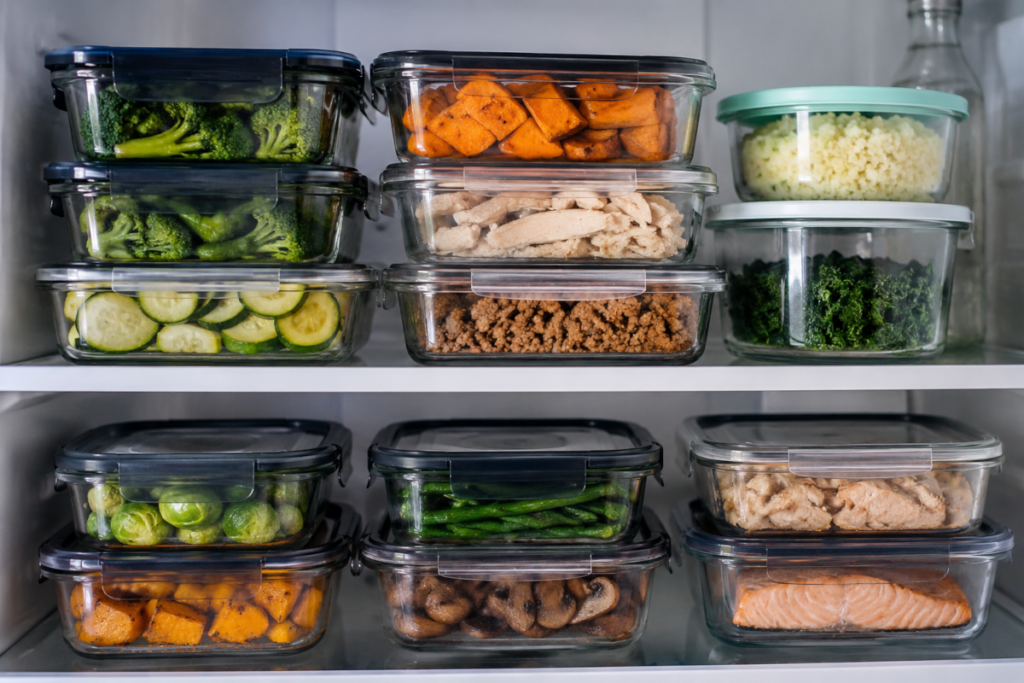
Food rotation sounds simple until your stomach gets a vote. On paper, it means eating a wider variety of foods instead of repeating the same meals every day. In real life, especially for someone following a low-lectin lifestyle, it can feel like walking across a bridge you are still building. You want more variety, better nutrition, and a more flexible relationship with food, but you do not want to invite bloating, cramping, fatigue, reflux, bathroom urgency, or that vague “something is off” feeling after meals.
The goal is not to rotate foods recklessly. The goal is to rotate with rhythm. A low-lectin approach already asks you to think carefully about food families, cooking methods, pressure cooking, peeling, deseeding, soaking, fermenting, and portion size. Food rotation adds another layer, but when done patiently, it can make the lifestyle feel less restrictive and more sustainable.
Why Rotation Matters in a Low-Lectin Lifestyle
Many people begin a low-lectin lifestyle by narrowing their food choices. That makes sense at first. When symptoms are loud, simplicity can be calming. A small group of reliable meals gives the digestive system less chaos to interpret, and it gives you a clearer picture of what might be helping or hurting. The problem is that a very narrow diet can become its own trap if it continues too long.
Digestive health is tied to variety. Research on the gut microbiome continues to show that dietary diversity can support microbial diversity, while fiber-rich foods influence the composition and function of gut bacteria. In plain English, your gut ecosystem tends to do better when it is fed a thoughtful range of plant fibers, proteins, fats, and resistant starches that you personally tolerate.
That does not mean every “healthy” food is healthy for every person at every moment. Someone with a sensitive gut may react not because a food is bad, but because the dose, timing, food combination, stress level, or preparation method pushed them over their personal threshold. This is why rotation should never be treated like a challenge contest. It is more like reintroducing trust between your body and your plate.
Start With a Safe Baseline Before Adding Variety
The easiest mistake is trying to rotate foods while symptoms are already flaring. If your digestion is irritated, almost anything new can seem suspicious. Before rotating, it helps to return to a baseline of meals you already tolerate. This might mean a few days of familiar low-lectin proteins, gentle cooked vegetables, simple fats, and easy starches such as pressure-cooked sorghum, millet, or sweet potato if those fit your plan.
This mirrors the logic behind elimination and reintroduction diets, which remove possible triggers for a period and then bring foods back while watching symptoms. Clinical guidance on elimination diets emphasizes that reintroduction is part of the process, not an afterthought. The lesson applies well to low-lectin living: do not judge a new food in the middle of digestive noise.
Once symptoms are calmer, introduce only one meaningful change at a time. If you add a new vegetable, keep the protein, cooking fat, seasoning, and portion size familiar. If you change the grain, keep the rest of the meal steady. This gives you a cleaner signal. Otherwise, a reaction after dinner could be blamed on the zucchini, the sauce, the larger portion, the garlic, the stress of the day, or eating too fast.
Rotate by Food Families, Not Random Meals
A smart rotation is not just “eat something different tomorrow.” It is more useful to think in food families. Instead of rotating from chicken with carrots to chicken with carrots again and calling it safe, you might rotate your protein source, your vegetable family, or your starch source while keeping the overall meal structure familiar.
For example, one day may be wild salmon with peeled zucchini and olive oil. Another day may be pasture-raised chicken with cooked carrots. Another may be grass-fed beef with pressure-cooked root vegetables. The meals still feel recognizable, but the nutrients, fats, amino acids, fibers, and plant compounds shift.
This is especially important in a low-lectin lifestyle because preparation matters. A tomato is not the same as a peeled and deseeded tomato cooked into a sauce, and beans are not the same before and after proper soaking, pressure cooking, and water discarding. Even then, some people may still not tolerate them well. Rotation should respect both the ingredient and the method.
Portion Size Is Often the Hidden Trigger
Many people assume a reaction means “I cannot eat that food.” Sometimes that is true. But often the more accurate statement is “I cannot eat that amount of that food in that context right now.” Digestive symptoms can be threshold-based, meaning the body handles a small amount but reacts when the total load gets too high.
This concept appears often in digestive approaches such as low-FODMAP reintroduction, where foods are tested gradually to identify both triggers and tolerable amounts. Low-FODMAP guidance also emphasizes that the long-term goal is not permanent over-restriction, but personalization and variety wherever possible.
For low-lectin rotation, this means your first serving of a newly rotated food should be boringly small. A few bites of a new cooked vegetable may teach you more than a full bowl. A small side portion of pressure-cooked sorghum may be safer than making it the center of the meal. Your digestive system is not just reacting to food identity. It is reacting to quantity, speed, texture, fiber type, fat load, and what else is arriving with it.
Give Your Body Time to Answer
Food reactions do not always arrive immediately. Some people notice symptoms within minutes, especially reflux, nausea, or upper digestive discomfort. Others notice changes hours later, or even the next day, especially with bowel changes, bloating, fatigue, skin changes, or joint discomfort. That delayed feedback can make food rotation confusing.
This is where tracking becomes powerful. You do not need a complicated chart. A simple food journal can record the food, preparation method, portion, timing, symptoms, sleep, stress, and bowel changes. Over time, patterns become clearer. Maybe peeled zucchini is fine at lunch but not late at night. Maybe almonds are tolerated occasionally but not several days in a row. Maybe a food blamed for symptoms was eaten on the same days you slept poorly and rushed meals.
A food journal also prevents unnecessary fear. Without notes, the brain remembers discomfort more strongly than calm meals. You may forget that you tolerated a food three times before reacting on the fourth, which suggests dose, combination, or timing may be involved.
Build a Gentle Rotation Rhythm
A practical rhythm is to keep a core group of safe meals while rotating one category at a time. You might keep breakfast stable for a week while rotating dinner vegetables. Then, once that feels steady, you might rotate proteins. Later, you might rotate starches or sauces. This keeps life manageable.
The rhythm does not need to be perfect. Some people do well with a three-day or four-day rotation, where the same food does not repeat daily. Others simply avoid eating the exact same meal every day. The best plan is the one you can actually maintain while staying calm, nourished, and observant.
A good low-lectin rotation might include familiar anchors such as wild-caught fish, pasture-raised poultry, grass-fed meats, eggs if tolerated, pressure-cooked approved grains, cooked leafy greens, peeled and deseeded vegetables, olive oil, avocado oil, herbs, and simple broths. The exact choices depend on your tolerance, budget, ethics, medical needs, and cooking capacity.
Do Not Rotate Everything at Once
Variety is healthy, but chaos is not. If you rotate too many ingredients too quickly, you lose the ability to learn. A new sauce, new spice blend, new vegetable, new grain, and new dessert in one day may feel exciting, but if symptoms happen, the lesson becomes muddy.
This is especially true with higher-risk foods in a low-lectin framework. Nightshades, legumes, grains, nuts, seeds, and dairy alternatives can all vary widely depending on preparation and individual tolerance. Some may be fine for one person and disruptive for another. Some may be fine only when peeled, deseeded, soaked, fermented, pressure cooked, or eaten in small amounts.
The calmer approach is to rotate from a position of confidence. Keep most of the plate familiar and let one food audition at a time. If it passes, bring it back again in a few days at a slightly larger portion. If it fails, pause it without panic. A failed test is useful information, not a personal defeat.
When Symptoms Happen Anyway
Even careful rotation can trigger symptoms sometimes. When that happens, resist the urge to immediately cut ten foods from your diet. Return to your baseline meals for a few days and look for the most likely variable. Was the portion larger than usual? Was the food undercooked? Was it eaten late? Was it combined with alcohol, stress, poor sleep, intense exercise, or a heavier fat load?
Symptoms are signals, but they are not always simple verdicts. Your body may be saying “not today,” not necessarily “never again.” That distinction matters because overly restrictive eating can make the lifestyle feel smaller and more stressful than it needs to be.
Of course, strong or persistent symptoms deserve professional guidance, especially severe pain, blood in stool, unexplained weight loss, repeated vomiting, difficulty swallowing, or symptoms connected to known allergies or medical conditions. A low-lectin lifestyle can be practical and empowering, but it should not replace medical care when warning signs appear.
Rotation Should Make Life Bigger, Not Smaller
The deeper purpose of food rotation is freedom. It helps you move beyond survival meals and toward a more flexible, nutrient-rich pattern that still respects your body’s limits. It also reduces the emotional weight of eating. Instead of asking, “What am I still allowed to eat?” you begin asking, “What can I test gently, prepare wisely, and enjoy without overwhelming my system?”
A low-lectin lifestyle works best when it is both structured and forgiving. Structure helps you identify patterns. Forgiveness keeps you from turning every symptom into fear. Food rotation lives in that middle space. It is careful, but not rigid. Curious, but not reckless. Scientific, but still human.
Start with what you know. Add one thing at a time. Keep portions modest. Track the response. Respect preparation methods. Let your body answer in its own timing. Over weeks and months, that steady approach can turn rotation from a source of anxiety into one of the most useful tools in your low-lectin kitchen.