A meal can look healthy and still leave someone hungry, tired, foggy, or hunting for a snack two hours later. A bowl of oatmeal topped with fruit may contain recognizable ingredients. A large smoothie can be packed with produce. A plate of gluten-free crackers may seem lighter than a full lunch. Yet each can deliver a concentrated carbohydrate load without enough protein, fat, or intact fiber to slow the digestive process. Blood sugar stability begins with meal structure.
This does not mean every rise in blood glucose is harmful. Blood glucose naturally increases after eating, and the body releases insulin to help move that glucose into cells. The problem is not that glucose rises at all. The concern is the repeated pattern of sharp rises, abrupt drops, poor fullness, and frequent grazing that can follow poorly balanced meals.
For someone following a low-lectin lifestyle, building steadier meals does not require counting every gram or removing all carbohydrates. It means choosing carbohydrates more carefully, controlling their portion, and surrounding them with foods that change how the full meal is digested.
Blood Sugar Responds to the Whole Meal
Carbohydrates have the most direct effect on blood glucose because digestion breaks many of them down into glucose. That basic fact has led to a lot of oversimplified advice. Carbohydrate is often treated as though it acts alone, but people rarely eat isolated nutrients.
A roasted sweet potato eaten by itself will not behave exactly like the same portion eaten beside salmon, sautéed greens, and olive oil. A small serving of pressure-cooked lentils may produce a different response than a large bowl of lentil pasta. Whole fruit does not act like fruit juice, even when the fruit source is identical.
The physical form of a food matters. So do cooking, grinding, portion size, ripeness, fiber content, and the other foods on the plate. Individual insulin sensitivity, sleep, stress, movement, medications, and time of day add another layer.
This is why a rigid list of “good” and “bad” carbohydrates can only take a person so far. A more useful approach is to design meals that reduce the speed and concentration of glucose entering the bloodstream.
Start With a Real Protein Anchor
Protein gives a meal structure. It supports muscle maintenance, contributes to fullness, and usually displaces some of the refined starch that might otherwise dominate the plate. For a low-lectin meal, the protein anchor might be eggs, wild-caught fish, shellfish, pasture-raised poultry, grass-fed meat, or an individually tolerated dairy food. Some people may also use properly prepared plant proteins, but tolerance and preparation matter.
The goal is not to pile on unlimited protein. More is not always better, and people with kidney disease or other medical conditions may have personalized protein limits. The practical goal is to include enough protein that the meal feels complete rather than decorative.
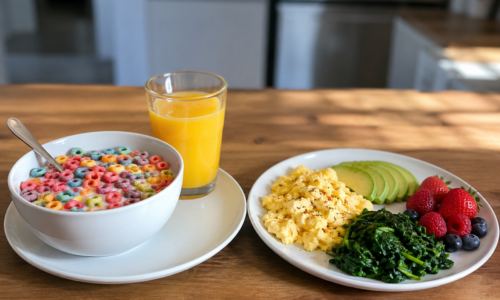
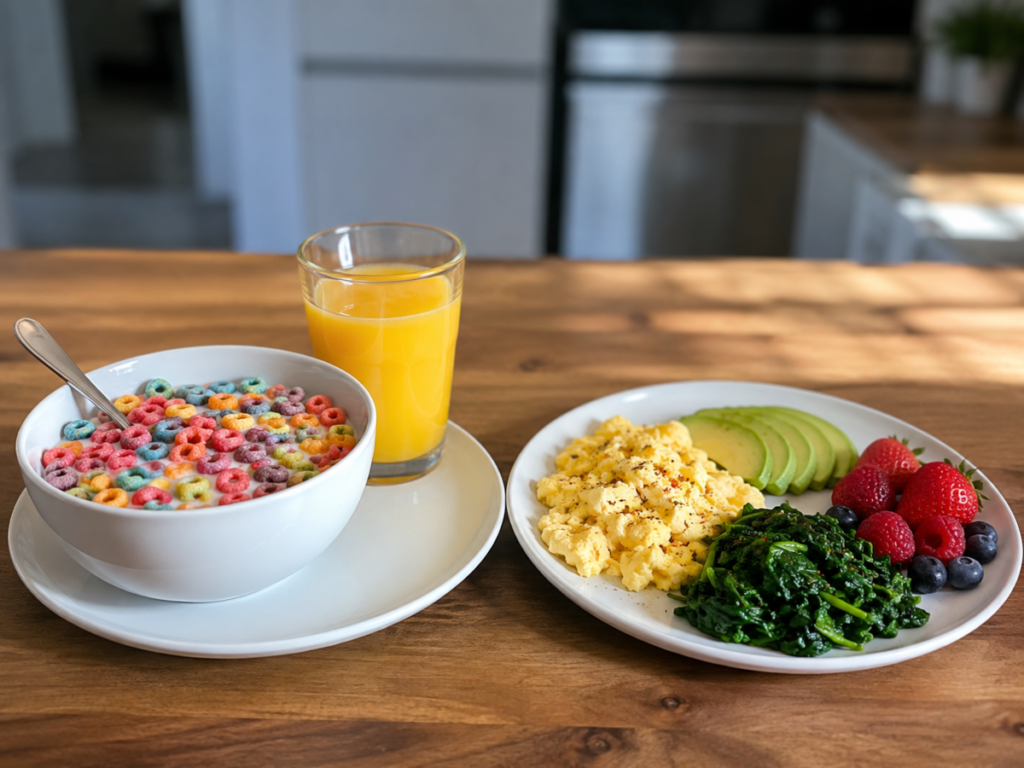
Consider the difference between two breakfasts. The first is a bowl of grain-free cereal with almond milk. The second includes two eggs, sautéed spinach, mushrooms, avocado, and a small side of berries. Both could fit under a broad low-lectin label, but the second meal has a far stronger protein base and is more likely to provide lasting fullness.
Protein can reduce the glucose response of some carbohydrate-containing meals, although the effect differs by health status and protein source. Research also shows that protein may raise insulin even when the glucose rise is reduced. That is one reason protein should be viewed as part of a balanced meal, not as a metabolic trick that cancels out unlimited starch or sugar.
Build Volume With Non-Starchy Vegetables
Non-starchy vegetables do a lot of quiet work. They add volume, water, texture, micronutrients, and fiber without delivering a dense carbohydrate load. Good low-lectin options may include leafy greens, broccoli, cauliflower, cabbage, asparagus, mushrooms, onions, celery, carrots, radishes, and peeled or deseeded vegetables based on personal tolerance. Zucchini, cucumber, squash, and nightshade vegetables may require special preparation or avoidance for some people. The low-lectin lifestyle is not identical for everyone.
Vegetables can occupy a large portion of the plate because they help turn a small serving of protein and carbohydrate into a satisfying meal. A dinner of chicken and half a cup of sweet potato may feel sparse. Add roasted cauliflower, wilted greens, mushrooms, and a lemon olive oil dressing, and the plate becomes physically and visually substantial.
Fiber also slows digestion and can reduce the speed at which glucose reaches the bloodstream. Research on fiber interventions generally supports better glycemic control, though results differ based on fiber type, dose, food form, and study population.
This does not mean every low-lectin meal needs a mountain of raw vegetables. Raw fiber can be difficult for people with sensitive digestion. Cooked vegetables may be gentler, easier to chew, and easier to tolerate. Roasting, steaming, sautéing, and simmering can help people increase vegetable intake without turning dinner into a digestive endurance test.
Add Fat With a Measured Hand
Fat slows gastric emptying and makes food more satisfying. Extra virgin olive oil, avocado, olives, coconut, macadamia nuts, walnuts, pecans, and certain seeds may fit well into a low-lectin pattern, depending on tolerance.
Fat also makes vegetables taste better. That matters more than nutrition culture sometimes admits. People are far more likely to eat roasted broccoli dressed with olive oil and lemon than a dry pile of steamed florets that feels like punishment.
Still, fat should not be treated as a free food. High-fat meals can delay the glucose response rather than eliminate it. In people who use insulin, meals high in both fat and protein may produce a later and more prolonged glucose rise, making medication timing more complicated. Current diabetes guidance recognizes that mixed-meal composition can affect post-meal glucose patterns.
A spoonful of olive oil, a few avocado slices, or a modest serving of nuts can complete a meal. Pouring half a bottle of oil over dinner because fat does not immediately spike glucose misses the bigger picture.
Choose Carbohydrates Instead of Letting Them Choose the Meal
Many conventional meals are built backward. Bread, pasta, rice, potatoes, or cereal takes center stage, while protein and vegetables appear as small side items. For steadier blood sugar, carbohydrate works better as a controlled component rather than the foundation of every plate.
Low-lectin carbohydrate choices may include sweet potatoes, millet, sorghum, cassava, green banana flour, pressure-cooked legumes, or limited portions of fruit. The exact choices depend on the person’s tolerance, goals, glucose response, and stage of dietary adjustment.
Preparation matters here. Pressure cooking can reduce lectin activity in properly handled legumes, but it does not remove their carbohydrate content. A pressure-cooked bean is not metabolically invisible. It may contain fiber and resistant starch, yet portion size still counts.
The same principle applies to grain-free packaged products. A cassava tortilla, tapioca cracker, or coconut-sugar dessert may avoid certain ingredients, but it can still deliver a fast carbohydrate load. “Low-lectin” and “blood-sugar-friendly” are not automatic synonyms.
A useful starting portion is often smaller than the amount served in restaurants or shown on product packaging. The carbohydrate can then be adjusted based on hunger, activity, glucose data, body size, medication use, and personal response.
Eat Vegetables and Protein Before the Starch
Meal order is one of the simplest tools available because it does not require buying anything special. Several studies have found that eating vegetables and protein before carbohydrate can reduce the post-meal glucose rise compared with eating the carbohydrate first. The size of the effect varies, and meal order is not a replacement for sensible portions, but the pattern is useful.
This can be applied without turning dinner into a laboratory experiment. Begin with salad, cooked vegetables, or the protein portion. Eat the starchier item later in the meal. There is no need to stare at the clock for ten minutes unless a clinician has suggested a very specific protocol.
At breakfast, eggs and vegetables can come before berries or a small low-lectin baked item. At lunch, chicken and greens can be eaten before sweet potato. At dinner, fish and asparagus can come before a serving of pressure-cooked lentils. The habit is simple. Carbohydrates stop being the opening act.
Avoid Drinking the Carbohydrate
Chewing slows people down. Drinking does not. Juice, sweetened coffee, bottled tea, sports drinks, large smoothies, and many dairy-free beverages can deliver carbohydrates quickly while providing less fullness than solid food. A smoothie containing banana, dates, oat milk, honey, and fruit may be described as natural, but the body still receives a large quantity of rapidly available carbohydrate.
Even smoothies made with acceptable low-lectin ingredients can become oversized. A drink containing berries, coconut milk, nut butter, protein powder, and multiple sweeteners can hold far more energy than the person realizes.
Whole fruit is usually easier to portion and more satisfying because its structure remains intact. A small serving of berries beside eggs or unsweetened yogurt creates a different meal than several cups of blended fruit consumed alone. Water, sparkling water, unsweetened tea, or coffee without a sugar-heavy addition keeps the beverage from quietly becoming the largest carbohydrate source on the table.
Stop Turning Snacks Into Tiny Desserts
Many snacks marketed as wholesome are dessert with better branding. Grain-free granola, coconut bars, cassava chips, dried fruit, honey-sweetened bites, and gluten-free cookies may fit selected ingredient rules while still pushing blood glucose upward and doing little for fullness. A steadier snack has the structure of a small meal. It includes protein, fat, or fibrous produce rather than standing on starch alone.
Examples include a hard-boiled egg with cucumber slices, leftover chicken with avocado, unsweetened yogurt with a few berries, sardines with celery, or a small handful of tolerated nuts beside a piece of whole fruit.
Not everyone needs snacks. A well-built meal should often carry a person for several hours. Persistent hunger shortly after eating can be a clue that the previous meal lacked protein, volume, or enough total food. It can also reflect poor sleep, medication effects, stress, or an established grazing habit.
Use Acidity as Flavor, Not Medicine
Vinegar and acidic foods can improve the flavor of a meal, especially when vegetables and protein are the main components. Some research suggests that vinegar consumed with a carbohydrate-containing meal may modestly reduce post-meal glucose and insulin responses. The evidence is not strong enough to turn vinegar into a treatment, and the effect is not consistent across all groups.
A vinaigrette on greens or a splash of vinegar in a cooked dish is reasonable. Drinking concentrated vinegar is not. It can irritate the throat, aggravate reflux, affect tooth enamel, and interact with certain health conditions or medications. Lemon juice, vinegar, herbs, garlic, and spices are best used to make balanced meals enjoyable. Flavor supports consistency. It should not become another supplement ritual.
A Simple Plate Formula
A practical low-lectin meal can be built in four parts. Begin with a clear serving of protein. Add one or two generous portions of non-starchy vegetables. Include a measured source of healthy fat. Add a smaller serving of a tolerated carbohydrate when desired or needed.
That formula could produce baked salmon with asparagus, mushrooms, olive oil, and a small sweet potato. It could become shredded chicken over mixed greens with avocado, carrots, olives, and a modest serving of pressure-cooked lentils. Breakfast might include eggs, sautéed spinach, mushrooms, and berries.
The plate does not need perfect ratios. It needs balance.
Meals should also fit the person’s actual life. Someone doing physical labor may need more carbohydrate than someone sitting for most of the day. A person taking glucose-lowering medication may need medical guidance before reducing carbohydrate. Someone with diabetes who uses insulin must consider dosing, timing, and the delayed effects of high-fat or high-protein meals.
Major dietary changes can cause hypoglycemia when medication is not adjusted appropriately. People taking insulin, sulfonylureas, or other glucose-lowering drugs should work with their prescribing clinician rather than making aggressive carbohydrate cuts alone.
Track Patterns Without Chasing Perfection
Blood sugar response varies from person to person. A food that works well for one reader may produce a much larger rise in another. Even the same meal can behave differently after a poor night of sleep, during illness, under heavy stress, or after exercise.
People who already use a glucose meter or continuous glucose monitor can compare meals under reasonably similar conditions. The most useful observations usually come from repeated patterns, not one isolated number. Medical guidance commonly places post-meal glucose checks one to two hours after the beginning of a meal, though individual testing plans may differ.
A written food and symptom tracker can also reveal patterns without turning every meal into a math problem. Record the meal, approximate portions, hunger before eating, fullness afterward, energy over the next few hours, digestive symptoms, and any available glucose readings.
Change one feature at a time. Reduce the starch portion, add more protein, replace a blended drink with whole food, or eat the vegetables first. Repeating the adjusted meal provides far more useful information than changing the entire menu every day.