

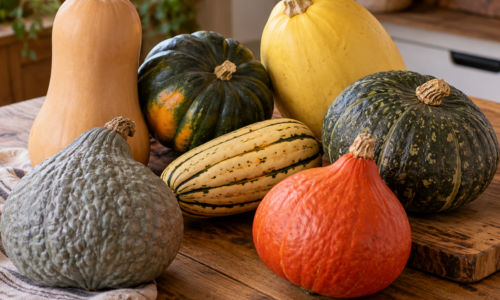
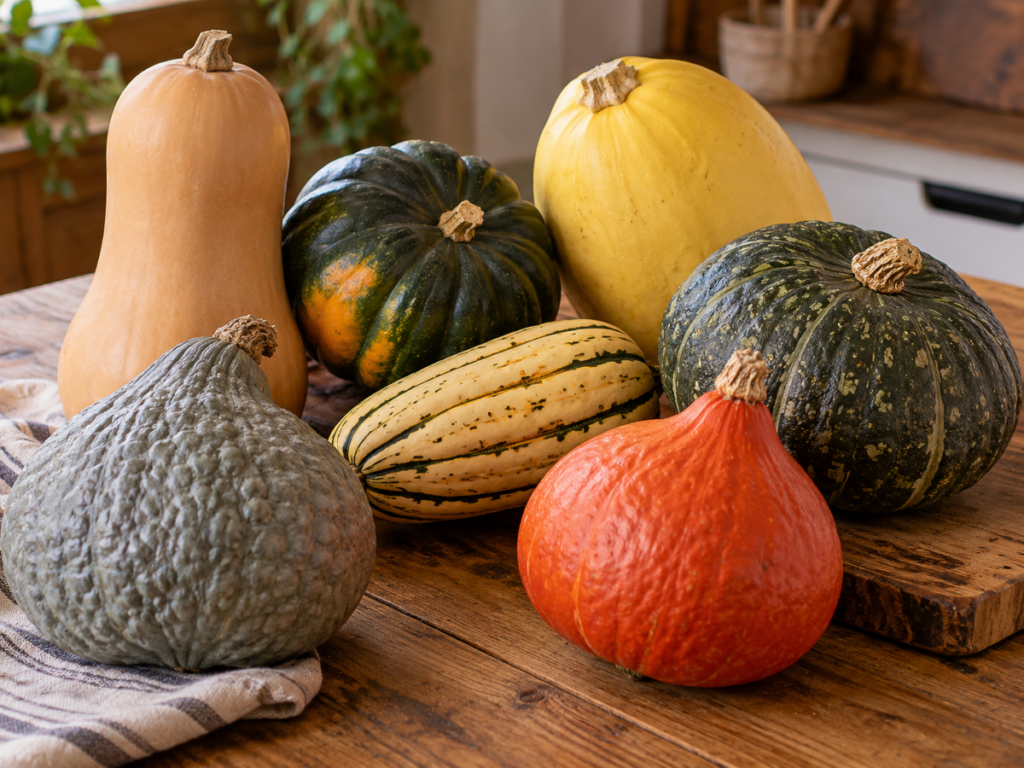
Winter squash offers an impressive range of possibilities in a low-lectin kitchen, from roasted butternut squash and creamy pumpkin soups to spaghetti squash served with olive oil, garlic, and fresh herbs. These vegetables share a growing season and a reputation for keeping well, yet their textures, flavors, starch content, and preparation requirements vary considerably. Understanding those differences makes it easier to choose the right variety for a particular meal without adding unnecessary restrictions to the cooking process.
For readers following a low-lectin lifestyle, squash also raises questions about the edible skin, seeds, and effects of cooking. Peeling and deseeding are common practices in some low-lectin dietary approaches, but scientific evidence has not established that every variety requires these steps to reduce harmful lectin exposure. A useful approach begins with understanding what research can support, then choosing preparation methods that produce enjoyable, properly cooked food.
Understanding Winter Squash and Its Nutritional Characteristics
Winter squash refers to mature squash harvested with a developed rind and flesh suitable for cooking and, in many cases, extended storage. Familiar varieties include butternut, acorn, delicata, spaghetti squash, kabocha, Hubbard, buttercup, and several types of edible pumpkin. Although commonly treated as vegetables in the kitchen, squash is botanically classified as fruit because it develops from the flower and contains seeds.
Most winter squash belongs to one of several species within the Cucurbita genus. Butternut belongs to Cucurbita moschata, while kabocha, Hubbard, buttercup, and red kuri are generally varieties of Cucurbita maxima. Acorn, delicata, and spaghetti squash belong to Cucurbita pepo, a species that also includes zucchini and some pumpkins. These botanical distinctions help explain differences in fruit structure and storage characteristics, although they do not establish a reliable ranking of lectin content.
Orange-fleshed varieties provide carotenoids, particularly beta-carotene, which the body can convert into vitamin A. Winter squash also contributes dietary fiber, potassium, and varying amounts of vitamin C and other nutrients. As explained in the [Harvard Nutrition Source guide to winter squash](https://nutritionsource.hsph.harvard.edu/food-features/winter-squash/), nutritional composition differs among varieties, and research examining individual squash compounds should not be confused with clinical evidence that eating winter squash treats particular diseases.
The flesh also differs in carbohydrate and moisture content. Spaghetti squash tends to be lighter and less starchy than the dense flesh of kabocha or butternut, making it useful for different culinary purposes. Cooking changes texture and water content, so an equal volume of roasted squash and boiled squash may not provide identical amounts of nutrients or carbohydrates. Variety, portion size, and preparation all matter when comparing foods.
What Lectin Research Can Tell Us About Winter Squash
Lectins are proteins capable of binding to particular carbohydrate structures, and many plants contain them in different forms. Their biological activity varies, making it unreliable to assign the same properties or dietary significance to every lectin-containing ingredient. The amount present in a food, the specific protein involved, and how that food is prepared are relevant to evaluating potential exposure.
Researchers have identified lectins in plants belonging to the squash family. A [2024 study published in the journal Molecules](https://pmc.ncbi.nlm.nih.gov/articles/PMC11174025/) examined a lectin isolated from the phloem sap of summer squash (Cucurbita pepo), investigating its carbohydrate-binding properties and biological activity in laboratory experiments and an animal model. The findings establish characteristics of that isolated protein, but they do not measure lectin exposure from ordinary servings of cooked winter squash or demonstrate harmful effects from eating the vegetable.
There is currently insufficient comparable research to classify common winter squash varieties as definitively lectin-free or to rank them according to harmful lectin activity in prepared meals. The evidence also does not establish specific reductions in squash lectin activity from peeling, deseeding, roasting, steaming, or pressure cooking. Heat can alter the activity of certain food lectins, but results documented for particular legumes or purified proteins cannot automatically be applied to winter squash.
Within a low-lectin dietary approach, removing the skin and seeds remains a practical preparation preference. It creates a consistent way to use squash flesh while excluding plant parts that some dietary frameworks recommend limiting. This method also works well for many traditional recipes, particularly soups, purees, and roasted squash dishes. The preparation should be understood as a dietary choice rather than a scientifically verified requirement for preventing lectin-related symptoms.
Butternut and Honeynut Squash: Versatile Choices for Everyday Cooking
Butternut squash is one of the most convenient winter squash varieties for a kitchen that routinely removes skins and seeds. Its elongated neck contains a substantial amount of uninterrupted flesh, while most seeds are concentrated in the rounded base. The smooth tan rind is relatively easy to remove with a sturdy vegetable peeler, especially compared with heavily ridged squash.
The orange flesh has a mild sweetness that becomes more pronounced during roasting. Peeled cubes work well with extra virgin olive oil, rosemary, sage, or garlic, while steamed or simmered butternut can be blended into soups without flour-based thickeners. Roasting develops browned surfaces and a fuller flavor, making it especially useful for a puree intended to accompany roasted poultry or other savory dishes.
Honeynut squash is a smaller butternut-type variety with concentrated sweetness and a compact shape. Its size makes it convenient when preparing one or two servings, and the seed cavity is relatively easy to remove after halving. It can be roasted in halves and served directly, or the cooked flesh can be scooped out for a smooth mash. Both honeynut and standard butternut are practical choices for a peeled, deseeded preparation without requiring specialized equipment.
Acorn, Delicata, and Sweet Dumpling Squash: Managing the Skin
Acorn squash has a rounded shape, deep ridges, and flesh that develops a pleasant sweetness when roasted. Those ridges complicate peeling, especially when the squash is raw, so the simplest preparation is usually to cut it in half, remove the seeds, and roast it until tender. The cooked flesh can then be scooped away from the rind with a spoon.
Acorn halves also provide a convenient base for savory fillings. Cooked mushrooms, sautéed greens, shredded chicken, and fresh herbs complement the squash without overwhelming its flavor. If preparing a stuffed squash, cook meat and other ingredients according to their own food-safety requirements rather than relying on the squash roasting time to cook a raw filling completely.
Delicata squash has a thinner skin that generally softens enough to eat after cooking. Its cylindrical shape is particularly suited to slicing into half-moons, which roast evenly and develop lightly browned edges. Sweet dumpling squash shares some of these characteristics, although its rounded, indented shape is better suited to roasting in sections or halves.
Readers who prefer to remove squash skins can certainly peel delicata and sweet dumpling varieties, but doing so is more labor-intensive than leaving the tender skin attached. An alternative is to roast the squash first and separate the flesh afterward. Skin removal changes the edible portion and texture of the dish, but there is no adequate variety-specific evidence establishing that the skin must be discarded to make these squashes low in lectins.
Spaghetti Squash: A Practical Alternative to Pasta
Spaghetti squash behaves differently from most other winter varieties because its cooked flesh separates into long strands. The texture makes it useful as a vegetable base for sauces, seafood, roasted chicken, and other dishes commonly served with pasta. Its mild flavor is particularly compatible with garlic, olive oil, fresh basil, parsley, and dairy-based sauces when those ingredients suit the intended dietary approach.
The simplest preparation begins by washing the squash, cutting it carefully, and removing the seeds and loose fibers. Roast the halves until the flesh becomes tender enough to separate with a fork, then allow them to cool slightly before scraping out the strands. Avoid excessive cooking, which can leave the flesh overly soft and watery rather than pleasantly textured.
Moisture management makes a noticeable difference in the finished dish. After removing the strands, allow excess liquid to drain before adding sauces, particularly rich or creamy preparations. A sauce that coats conventional pasta effectively may become diluted when combined with freshly cooked spaghetti squash, so reducing the sauce separately can improve the result.
Spaghetti squash generally contains less starch than denser winter squash varieties, although it should not be treated as nutritionally identical to wheat pasta or other substitutes. It can provide a useful option when a recipe calls for a lighter vegetable base, but its lower starch content does not establish a particular lectin advantage. Its strongest culinary qualities are the distinctive strands, mild flavor, and ability to accompany familiar pasta toppings.
Kabocha, Buttercup, Hubbard, and Red Kuri: Dense Squash for Substantial Meals
Kabocha squash is valued for its dense, relatively dry flesh and rich, sweet flavor. Once cooked, its texture can resemble a combination of roasted squash and a starchy root vegetable, making it particularly effective in thick soups, roasted wedges, and curries. The skin of many kabocha varieties softens during cooking, although it can be removed when preparing a skin-free dish.
Buttercup squash offers similar density and sweetness, often with a somewhat drier texture than butternut. It works particularly well in recipes where squash needs to retain its shape rather than dissolve into cooking liquid. Roasted buttercup can also be mashed into a substantial side dish with olive oil, butter, or ghee and savory herbs.
Hubbard squash is notable for its large size, thick rind, and substantial quantity of edible flesh. Cutting a whole Hubbard can be difficult, so purchasing a professionally cut portion may be more manageable for home cooks. Choose refrigerated, packaged pieces when buying squash that has already been cut, and keep them refrigerated until preparation.
Red kuri, sometimes called Hokkaido squash, is generally smaller and has reddish-orange skin surrounding smooth, sweet flesh. Its flavor works well with ginger, thyme, garlic, or coconut milk, particularly in soups and blended sauces. Like kabocha, it can become quite tender during cooking, allowing the flesh to be scooped away from the skin when peeling beforehand is inconvenient.
These denser varieties provide a substantial carbohydrate-containing component to a meal. Their texture allows them to replace some uses of potatoes or other starchy sides, although nutritional equivalence should not be assumed. For a meal already containing rice or another starch, a smaller portion of roasted squash may be more appropriate than treating it as an unrestricted vegetable addition.
Edible Pumpkins and the Difference Between Culinary and Decorative Varieties
Small sugar pumpkins and pie pumpkins are generally better suited to cooking than large pumpkins grown primarily for carving. Their flesh tends to be denser and less stringy, making them useful for roasted pumpkin, soups, and homemade puree. However, pumpkin varieties differ, and the term pumpkin does not identify one botanical species or guarantee a particular cooking texture.
For a savory dish, pumpkin puree can be seasoned with sage, garlic, thyme, or ginger. It also combines readily with coconut milk for a creamy soup, while roasted pumpkin cubes can accompany poultry, seafood, or vegetables. Homemade puree may contain more moisture than commercially canned pumpkin, so recipes that depend on a thick consistency may require draining or additional cooking.
Decorative gourds and ornamental squash should not be substituted for food varieties. Some ornamental members of the gourd family contain high concentrations of bitter compounds that can cause illness, even when their appearance resembles edible squash. Select pumpkins and squash specifically sold or grown for culinary use, particularly when working with unfamiliar cultivars.
Preparing Winter Squash Safely and Effectively
Winter squash should be washed before cutting, even if its skin will eventually be discarded. Soil and other contaminants on the rind can be transferred to the flesh by a knife or vegetable peeler. The [FDA’s guidance for safely preparing fresh produce](https://www.fda.gov/food/buy-store-serve-safe-food/selecting-and-serving-produce-safely) recommends washing under running water, scrubbing firm produce when necessary, and avoiding soap or household detergents.
After washing, dry the squash and place it on a stable cutting board. A sharp chef’s knife is usually more controllable than a small knife when dealing with thick flesh, provided the blade is appropriate for the squash’s size. Cutting a flat surface on a manageable section can prevent rolling, but avoid forcing a blade through a rind that is too hard to cut safely.
For especially firm squash, carefully softening the rind briefly in a microwave can make cutting easier. Pierce the rind in several places before heating so steam can escape, and allow the squash to cool enough for safe handling. Microwave times vary with size and appliance power, so the purpose of this preliminary heating is to make the squash easier to cut rather than fully cook it.
Once opened, remove the seeds and surrounding stringy material. With butternut, the skin can usually be peeled before the flesh is cubed; with acorn, Hubbard, or other heavily ridged varieties, roasting sections first may be easier. If a recipe calls for uniform cubes, choose a squash that can be peeled and cut safely rather than struggling to force an unsuitable variety into the same preparation.
Roasting, Steaming, Simmering, and Pressure Cooking
Roasting is particularly effective for squash with dense flesh because dry heat encourages browning and concentrates flavor as some moisture evaporates. A conventional approach is to roast prepared squash in an oven heated to approximately 400°F, adjusting cooking time according to the size and shape of the pieces. Halves commonly require longer than small cubes, and fork tenderness is a more reliable indication of completion than a single fixed cooking time.
Roasted cubes benefit from being arranged in a single layer rather than crowded together. Leaving space between pieces allows moisture to escape, encouraging browned surfaces instead of excessive steaming. Olive oil or avocado oil provides a suitable cooking medium, while herbs can be added according to how well they tolerate the roasting conditions.
Steaming and simmering are useful when squash will be mashed, blended, or incorporated into soup. Steaming cooks the flesh without immersing it in water, which can make it easier to control the moisture in the finished puree. Simmering peeled cubes directly in broth is convenient for soup, although the amount of added liquid should be adjusted to the natural moisture content of the squash.
An electric pressure cooker can soften dense squash quickly, especially when preparing larger quantities for a puree. Cooking time depends on the variety, piece size, and equipment, so established appliance instructions are preferable to assuming a universal setting. Pressure cooking should not be described as a necessary winter-squash lectin-removal procedure because the research has not established a specific reduction target or demonstrated a related human health benefit.
Peeling, deseeding, and thoroughly cooking squash provide a straightforward preparation routine for people who choose to follow those low-lectin guidelines. The practical results include tender flesh, a predictable texture, and easier incorporation into familiar recipes. There is no need to subject squash to repeated cooking or prolonged boiling solely on the assumption that increasingly aggressive preparation will produce a scientifically established lectin benefit.
Recognizing Bitter Squash and Cucurbitacin Toxicity
One genuine safety concern involving squash has little to do with lectins. Squash and other members of the gourd family can contain cucurbitacins, intensely bitter compounds that may cause significant gastrointestinal illness when present at high concentrations. Commercial edible varieties are generally bred for low cucurbitacin content, but unusually bitter specimens can still occur.
The [Poison Control guidance on toxic squash syndrome](https://www.poison.org/articles/toxic-squash-syndrome-if-it-s-bitter-it-s-not-dinner) explains that contaminated squash may look and smell normal despite containing excessive amounts of these compounds. Symptoms can include nausea, vomiting, abdominal pain, and diarrhea, sometimes leading to dehydration or more serious complications. Cucurbitacins are not reliably destroyed by roasting, boiling, or other ordinary cooking methods.
A strongly and unexpectedly bitter squash should be discarded rather than seasoned to disguise its flavor. If a small taste reveals pronounced bitterness, spit it out and avoid consuming the rest. Anyone who develops symptoms after eating bitter squash can contact Poison Control in the United States at 1-800-222-1222, with urgent medical care warranted for severe symptoms. This precaution applies to edible varieties as well as unfamiliar homegrown squash.
Selecting and Storing Winter Squash
A good winter squash generally has firm skin without soft spots, significant cuts, or visible decay. An intact rind protects the flesh during storage, while bruises and punctures provide opportunities for spoilage organisms to enter. When buying precut squash, select pieces kept under refrigeration and use them promptly rather than treating them as shelf-stable whole produce.
Storage requirements depend on the variety. The [University of Massachusetts Extension guide to winter squash harvesting and storage](https://www.umass.edu/agriculture-food-environment/vegetable/fact-sheets/pumpkin-winter-squash-harvest-curing-storage) recommends cool, dry, ventilated conditions, ideally around 50°F to 60°F with controlled humidity. A clean pantry or other cool household storage location may be practical, although warmer rooms generally shorten the time squash maintains its best quality.
Acorn and delicata squash typically have a shorter storage life than butternut, Hubbard, or some kabocha varieties. Mature butternut and other suitable types can also become sweeter during storage as some of their starch converts into sugars. This conversion is part of the squash’s postharvest development and influences flavor, but it should not be confused with fermentation or a demonstrated lectin-reduction process.
Inspect stored squash periodically for softening, leaking, mold, or other signs of deterioration. Once cut, squash should be refrigerated, and cooked leftovers should be divided into shallow containers so they cool promptly. The [USDA’s recommendations for handling leftovers](https://www.fsis.usda.gov/food-safety/safe-food-handling-and-preparation/food-safety-basics/leftovers-and-food-safety) call for refrigeration within two hours, or within one hour when temperatures exceed 90°F, and use of refrigerated cooked leftovers within three to four days.
Freezing and Preserving Winter Squash for Later Use
Freezing is especially useful when preparing a large butternut, Hubbard, or pumpkin that produces more flesh than needed for immediate meals. Cooked squash can be mashed or pureed, cooled promptly, and portioned into freezer-safe containers or bags. Freezing puree in recipe-sized portions reduces waste and makes it easier to add squash to soups or side dishes without preparing a whole squash each time.
Spaghetti squash can also be frozen after cooking, although its strands may become softer and release additional moisture during thawing. Removing excess moisture before freezing and draining the thawed strands can help when using them in casseroles or sauces. For dishes where a firmer strand texture is particularly desirable, freshly roasted spaghetti squash may produce a better result.
Home canning requires more restrictive procedures because winter squash is a low-acid food. The [National Center for Home Food Preservation’s tested winter squash canning guidance](https://nchfp.uga.edu/how/can/canning-vegetables/pumpkins-and-winter-squash-cubed/) applies to appropriately prepared cubes of suitable mature squash processed in a pressure canner. The instructions do not permit substituting mashed or pureed squash, because its density can interfere with the heat penetration needed for safe processing.
Pureed pumpkin, thick squash soups, and mashed butternut should therefore be frozen rather than home-canned for shelf storage. Spaghetti squash is also unsuitable for home canning because its flesh does not retain the firm cubed structure required by the tested procedure. Ordinary pressure cooking and pressure canning serve different purposes, and an electric multicooker should not be treated as a substitute for an appropriate pressure canner.
For cooks who enjoy preparing seasonal ingredients in larger batches, these preservation distinctions influence which recipes are worth making ahead. Roasted cubes can be refrigerated for upcoming meals, purees can be frozen for soups and sauces, and suitable cubed squash can be pressure-canned only by following an established, tested procedure in full. Choosing the preservation method before preparing the squash helps determine whether to leave the flesh in cubes, turn it into puree, or retain the strands that make spaghetti squash useful in the first place.
