

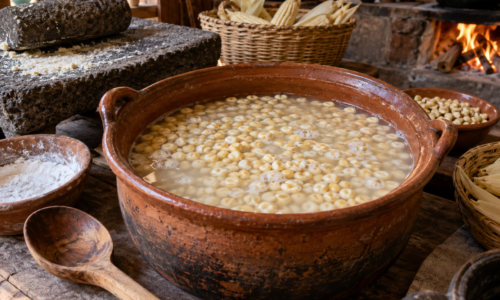
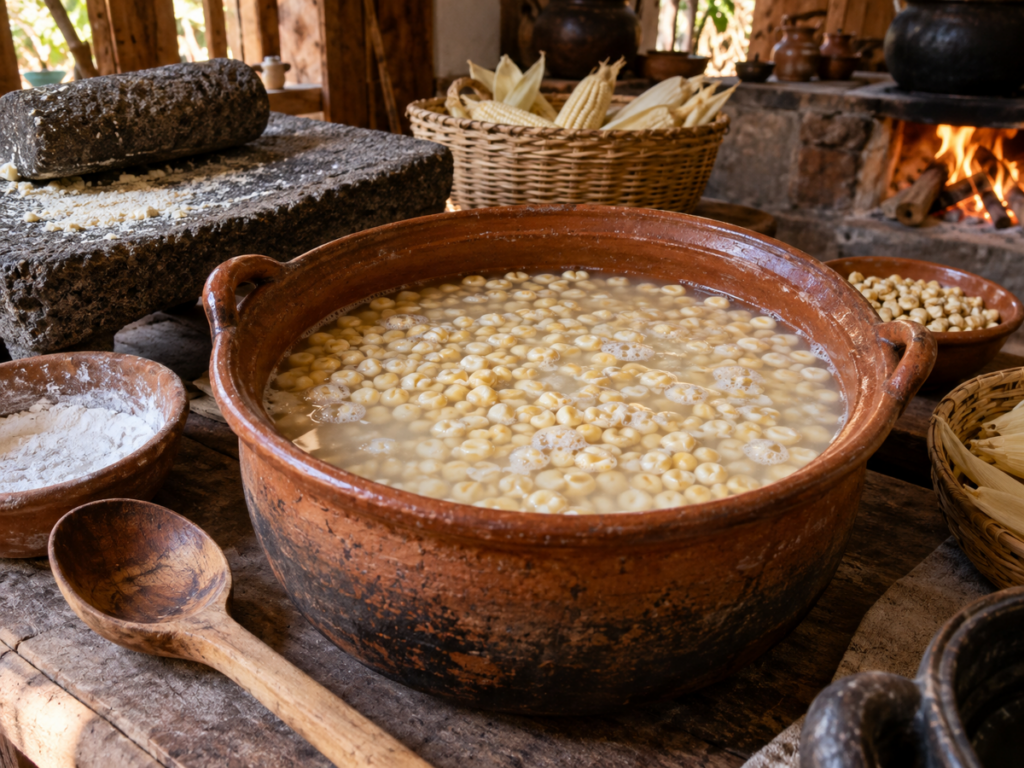
Long before modern food laboratories began measuring antinutrients, mineral availability, and fungal toxins, Indigenous communities in Mesoamerica had developed a method of preparing corn that fundamentally changed its nutritional and culinary properties. By cooking dried maize in an alkaline solution, allowing it to soak, and then washing and grinding the softened kernels, they created the foundation for tortillas, tamales, and numerous other traditional foods. The method, known as nixtamalization, remains an essential part of Mexican and Central American food culture.
For people interested in reducing dietary lectins and other potentially problematic plant compounds, nixtamalization offers a useful example of how preparation can change a food. Alkaline processing alters the grain’s structure, improves the availability of certain nutrients, reduces some naturally occurring antinutrients, and can lower concentrations of particular toxins produced by molds. These effects arise from specific chemical and physical changes rather than a general removal of everything that might be considered undesirable.
The scientific evidence is strongest for changes in calcium content, niacin availability, starch structure, and certain mycotoxins. Claims that nixtamalization eliminates lectins or makes corn universally easier to tolerate are considerably less established. Understanding these differences helps explain why this ancient technique remains relevant to food science and low-lectin meal planning.
An Ancient Technique Rooted in Mesoamerican Food Culture
Nixtamalization developed among Indigenous peoples of Mesoamerica, where maize became a central agricultural crop and dietary staple. Traditional methods used alkaline materials, including mineral lime and preparations made from wood ash, to soften dried kernels and change their cooking properties. Although the precise origins of the technique are difficult to establish, archaeological and historical evidence places it within the long development of maize-based food traditions.
The word nixtamal comes from Nahuatl, with linguistic roots associated with ashes and maize dough. Modern processing frequently uses calcium hydroxide, but the essential sequence of alkaline cooking, steeping, washing, and grinding preserves a technique developed long before industrial food production. Different communities adapted the process to locally available corn varieties, cooking equipment, and traditional foods.
Its nutritional significance became clearer as scientists investigated pellagra, a disease caused by inadequate niacin status. Corn contains niacin, or vitamin B3, but some of it occurs in forms that are poorly available for absorption unless the grain undergoes appropriate processing. Alkaline treatment increases niacin availability, helping explain why traditional maize preparation could contribute to nutritional adequacy in populations relying heavily on corn.
The historical relationship between maize consumption and pellagra also depended on the broader diet. Populations consuming large amounts of untreated corn without sufficient alternative sources of niacin or tryptophan, which the body can convert into niacin, were particularly vulnerable. Nixtamalization helped address one nutritional limitation of maize, although it could not compensate for every deficiency associated with an otherwise inadequate diet.
How Alkaline Cooking Transforms a Corn Kernel
Traditional nixtamalization begins with mature, dried maize rather than the tender sweet corn commonly eaten fresh. The kernels are cooked in water containing an alkaline substance, most often food-grade calcium hydroxide, called cal or slaked lime. This mineral lime is unrelated to the citrus fruit and produces a cooking environment with a substantially elevated pH.
During heating, the alkaline solution begins changing the kernel’s outer covering, known as the pericarp. This protective layer contains structural carbohydrates, including hemicellulose and cellulose, that contribute to the kernel’s firmness. Alkaline conditions break down and dissolve portions of these materials, allowing the covering to loosen during cooking and steeping.
After the cooking stage, the corn typically remains in the alkaline liquid for several hours. Moisture continues moving into the kernels while the outer material softens, making subsequent washing and grinding easier. The used liquid, known as nejayote, is discarded, and the corn is rinsed to remove loosened pericarp and excess alkaline material.
The prepared kernels are called nixtamal. Grinding them while moist produces fresh masa, while drying and milling prepared corn produces masa harina, the flour commonly used for homemade tortillas and tamales.
Inside the kernel, heat and moisture affect the starch as well as the outer structure. Some starch granules absorb water and undergo partial gelatinization, while interactions involving starch, calcium, and other grain components influence the consistency of the finished dough. These changes give masa its characteristic binding properties without requiring the gluten network found in wheat dough.
A 2018 review in the Journal of Cereal Science examines the physical and chemical changes occurring in the pericarp and endosperm during nixtamalization. The researchers describe how alkaline conditions, heat, moisture, and calcium interactions affect starch behavior and the final properties of masa. Their analysis also explains why cooking conditions and kernel characteristics influence the quality of tortillas and other prepared foods.
Phytic Acid, Calcium, and Mineral Availability
One naturally occurring compound affected by nixtamalization is phytic acid, also called phytate. Plants use it primarily to store phosphorus, and it is common in grains, legumes, nuts, and seeds. During digestion, phytate can bind minerals such as iron and zinc, reducing the proportion available for absorption.
Phytic acid is often described as an antinutrient because of its mineral-binding properties. Its nutritional significance, however, depends on the amount consumed and the overall composition of the diet. A person eating varied sources of minerals may experience a different nutritional impact from someone relying heavily on unprocessed grains as a primary food source.
Nixtamalization can partially reduce phytic acid through alkaline treatment and the removal of grain material during washing. The extent of that reduction varies with processing conditions and the characteristics of the corn. Lower phytate levels may improve mineral bioaccessibility, although laboratory measurements do not establish precisely how much additional mineral a person will absorb from every finished product.
Calcium enrichment is among the most consistently documented nutritional changes. When calcium hydroxide is used, calcium enters and becomes associated with parts of the corn kernel during processing. The resulting masa and tortillas can therefore contain substantially more calcium than comparable products prepared from untreated maize.
The International Maize and Wheat Improvement Center (CIMMYT) identifies increased calcium content, improved niacin availability, and partial reductions in phytic acid among the recognized effects of traditional nixtamalization. The organization also notes that processing changes fiber content and starch behavior. These findings demonstrate why food preparation can alter nutritional composition even when the original ingredient remains essentially the same.
What Nixtamalization Does and Does Not Establish About Lectins
Lectins are proteins that bind particular carbohydrate structures, and their biological properties vary considerably between plant species. Some can cause illness when present in substantial active concentrations in inadequately prepared foods. The best-known food-safety examples involve certain raw or undercooked beans, particularly red kidney beans.
Heat can alter the three-dimensional structure of many proteins, including some lectins, reducing their ability to bind carbohydrates or produce measurable biological activity. The effectiveness of this process depends on the particular lectin, the food containing it, and the preparation conditions. Results obtained from one food cannot automatically be applied to another.
This distinction is particularly relevant to corn. Nixtamalization exposes maize proteins to heat and alkaline conditions, both of which can affect protein structure. However, research establishing consistent reductions in biologically active corn lectins under traditional nixtamalization conditions is limited compared with the evidence for changes in starch, phytate, calcium, and mycotoxins.
A 2021 study published in Foods examining lectin activity in commonly consumed plant foods found substantial differences in measurable activity between plant groups and demonstrated that soaking and boiling could affect active lectins in certain foods. The researchers also identified important limitations in existing analytical methods and the interpretation of laboratory measurements. Their findings do not establish that nixtamalized corn is lectin-free or that its consumption produces a specific digestive benefit.
For readers who restrict corn within a low-lectin eating pattern, nixtamalized products represent a distinct form of preparation worth understanding. Corn contains several components besides lectins, including starches and proteins, that may influence digestive responses or individual food tolerance. A person noticing different reactions to ordinary cornmeal and nixtamalized tortillas cannot determine from symptoms alone whether lectins, other ingredients, portion size, or processing-related differences explain the result.
Reducing Mycotoxins Through Alkaline Processing
Some of the strongest toxin-related evidence for nixtamalization concerns mycotoxins, which are harmful compounds produced by particular fungi. Maize can become contaminated before harvest or during storage when environmental conditions favor fungal growth. These substances are separate from lectins and naturally occurring compounds such as phytic acid.
Two important groups are aflatoxins, produced by certain Aspergillus fungi, and fumonisins, associated primarily with particular Fusarium species. Both are significant food-safety concerns because contaminated grain may contain compounds capable of causing harmful biological effects. Their presence and concentration cannot reliably be determined from the appearance of individual kernels alone.
During nixtamalization, some mycotoxins move into the cooking liquid or are removed along with portions of the pericarp. Others undergo chemical modification in response to elevated pH and heat. The effectiveness of these processes depends on the contaminant, the initial level of contamination, and the specific cooking and washing conditions.
Fumonisins and the Importance of Discarding Cooking Water
Fumonisins are relatively stable under many ordinary heating conditions, but alkaline processing can alter their chemical structure. Some fumonisin molecules undergo hydrolysis, a reaction that changes their molecular composition. Research has also found that substantial portions of fumonisins and certain modified forms can move into the cooking and steeping liquid.
Discarding the nejayote and washing the kernels are therefore meaningful parts of toxin reduction. Milling and subsequent tortilla cooking do not necessarily produce equivalent reductions, making the earlier separation and removal stages particularly relevant. Some fumonisins may also remain associated with grain components in forms that are difficult to detect using conventional analytical methods.
A 2021 University of Nebraska–Lincoln Extension review of nixtamalization and mycotoxin-contaminated corn examines these chemical changes and the fate of fumonisins during processing. The authors describe reductions in measured contamination while emphasizing that modified or grain-associated forms complicate the assessment of remaining risk. Their findings support the value of proper processing without establishing that contaminated grain becomes safe under every circumstance.
Aflatoxins and the Limits of Chemical Detoxification
Aflatoxins present an additional complication because alkaline conditions can change their chemical structure in ways that reduce measured concentrations. Some of these reactions involve alterations to a molecular structure known as the lactone ring. Under acidic conditions, certain modifications may reverse, potentially restoring the original aflatoxin structure.
This possibility matters because the stomach contains an acidic environment. A reduction in detectable aflatoxin after alkaline processing does not necessarily mean that an equivalent reduction in biological risk has occurred. The amount removed physically from the corn must be distinguished from the amount merely converted into another chemical form.
A peer-reviewed review of mycotoxins during nixtamalization and tortilla production describes both the reductions observed during processing and the uncertainties surrounding modified toxins. The researchers found that nixtamalization can reduce several mycotoxins, while also identifying limitations in existing evidence regarding chemical transformations and remaining toxicity.
Nixtamalization should never be used to salvage visibly moldy, spoiled, or otherwise suspect corn. Even properly performed alkaline processing cannot be relied upon to make contaminated grain safe, and some mycotoxins may be present without visible mold. The appropriate starting material is sound, food-grade maize obtained and stored under suitable conditions.
Nutritional Improvements and Processing Tradeoffs
Although nixtamalization improves certain nutritional characteristics, other components may decrease during cooking and washing. Removing portions of the pericarp reduces some fiber, while water-soluble nutrients and other grain constituents may be lost into the discarded processing liquid. The amount retained depends on the corn variety and the method used.
A scientific review of maize processing and micronutrient composition explains how cooking, milling, soaking, fermentation, and nixtamalization influence the nutritional properties of corn. Published in 2016, the review identifies improved availability of certain nutrients alongside processing-related losses. It also emphasizes that differences in maize varieties and preparation methods make broad nutritional comparisons difficult.
Nixtamalization changes starch structure as well. Heating and moisture partially gelatinize starch, while cooling and subsequent preparation can contribute to the formation of some resistant starch structures. Resistant starch is less readily digested in the small intestine and may become available for fermentation by microorganisms in the large intestine.
The amount of resistant starch in a finished tortilla or other corn product depends on processing conditions and subsequent handling. Laboratory findings concerning starch digestibility therefore should not be interpreted as evidence that all nixtamalized corn products have the same blood glucose effects or produce specific digestive benefits. The final food, portion size, and accompanying ingredients remain relevant to its overall nutritional characteristics.
Choosing Nixtamalized Corn Products at the Grocery Store
Understanding how corn is processed makes it easier to distinguish several products that appear similar on grocery shelves. Masa harina, ordinary cornmeal, and hominy all originate from maize, but their preparation histories affect their texture, flavor, and cooking behavior.
Masa harina is produced from corn that has undergone nixtamalization before being dried and ground. Adding water creates a dough suitable for tortillas, tamales, and other traditional preparations. Its binding characteristics come partly from the physical and chemical changes produced during alkaline cooking.
Ordinary cornmeal is generally made by grinding dried corn without equivalent alkaline treatment. It works well in cornbread, polenta, and many baked preparations, but it does not usually develop the same cohesive dough structure as masa harina. Substituting cornmeal for masa harina in tortillas can produce a crumbly result because the two ingredients absorb water and bind differently.
Hominy consists of whole dried corn kernels that have undergone alkaline treatment, with much of the outer covering removed. The prepared kernels become larger and softer while retaining a pleasantly chewy texture. Hominy is commonly used in soups such as pozole, while some varieties of grits are produced from ground hominy.
Packaging can provide useful clues about processing. Labels mentioning masa harina, nixtamalized corn, corn treated with lime, or calcium hydroxide indicate alkaline treatment. However, ingredient declarations and processing descriptions vary, so products labeled only as corn flour or cornmeal should not automatically be assumed to have undergone nixtamalization.
Commercial corn tortillas are also worth examining individually. Some contain primarily nixtamalized corn flour and water, while others include gums, preservatives, starches, or additional ingredients to influence texture and shelf life. These additions may be relevant when comparing products for a particular dietary preference, even when the corn itself has undergone traditional processing.
Nixtamalization in a Low-Lectin Kitchen
For someone following a low-lectin eating pattern, nixtamalization offers another way to evaluate corn rather than a reason to classify every corn product identically. Some individuals exclude corn, while others include selected preparations. The evidence supports meaningful chemical changes from alkaline processing, but it does not establish that nixtamalized corn is consistently low in active lectins or suitable for everyone who experiences discomfort after eating corn.
A cook who chooses to include corn might select traditionally prepared tortillas because of their flavor, texture, calcium content, and established processing characteristics. Masa harina also provides a practical way to prepare homemade tortillas without performing the alkaline cooking process from dried kernels. This can be useful when time, equipment, or access to appropriate ingredients makes traditional nixtamalization impractical.
For those comparing different corn products, preparation details can be more informative than broad labels such as natural or minimally processed. Ordinary cornmeal, fresh sweet corn, hominy, and masa harina differ in their processing and culinary properties. Comparing ingredient lists and preparation methods makes it easier to understand which differences are actually present.
Meal composition introduces additional considerations. A homemade corn tortilla served with fish, avocado, and cooked vegetables differs considerably from a heavily seasoned fried corn snack in fat content, added ingredients, and overall food composition. These differences may affect how a meal is experienced independently of the processing method used for the corn.
When documenting food tolerance, comparing similar portions and keeping accompanying ingredients reasonably consistent can make observations more meaningful. A comparison between a simple nixtamalized tortilla and a corn product containing numerous additional ingredients cannot isolate the effects of alkaline processing. Such observations can still inform ingredient choices without establishing a specific biological cause for symptoms.
Preparing Nixtamal at Home Safely
Home nixtamalization requires dried corn, water, and an appropriate alkaline ingredient, but careful material selection is essential. Calcium hydroxide should be specifically labeled as food-grade and suitable for food preparation. Construction lime, agricultural lime, and industrial chemicals are not acceptable substitutions, even when their names appear similar.
Calcium hydroxide is strongly alkaline and can irritate or injure the skin and eyes. Handling the dry powder requires care to avoid inhaling dust, and the prepared solution should be handled to prevent splashing. Suitable protective gloves and eye protection are sensible precautions, especially when measuring the ingredient and transferring hot alkaline liquid.
Cookware selection also matters because strongly alkaline solutions can react with certain metals. Stainless steel or suitable intact enamel cookware is generally preferable to aluminum for traditional lime-based preparations. Food-contact equipment should be compatible with both the alkaline solution and the heating conditions involved.
A traditional preparation begins by sorting and cleaning sound, food-grade dried corn. The kernels are heated in a properly prepared alkaline solution, steeped until sufficiently softened, drained, washed, and then ground or cooked further according to the intended dish. Exact lime proportions, cooking conditions, and steeping periods should follow a reliable recipe developed specifically for nixtamalization, since these parameters affect the finished corn.
The discarded cooking liquid should not be incorporated into soup, sauces, or finished masa. Besides containing dissolved kernel material and excess alkaline compounds, nejayote can carry mycotoxins and their modified forms away from the corn. Retaining it would undermine one of the demonstrated contaminant-reduction mechanisms associated with traditional processing.
Freshly prepared nixtamal and masa contain substantial moisture and are not shelf-stable simply because they were exposed to an alkaline solution. Once preparation is complete, moist masa should be used promptly or refrigerated, with freezing available for longer storage. The controlled steeping stage used in a traditional recipe should not be confused with leaving finished masa or other moist cooked foods unrefrigerated indefinitely.
Home Canning Requires Separate, Tested Procedures
Nixtamalization and pressure canning serve different purposes. Alkaline cooking changes the properties of dried maize, while pressure canning is a preservation process designed to control microorganisms and make appropriately processed low-acid foods safe for shelf storage. Completing the first process does not establish that the corn has undergone the second.
The distinction becomes especially important when preserving hominy. An Illinois Extension discussion of hominy preparation and preservation explains that earlier home-canning procedures involving lye were withdrawn because of concerns about chemical handling and food-grade ingredient availability. Preservation instructions must therefore be evaluated separately from ordinary cooking instructions.
Anyone planning to preserve homemade hominy in jars should use a current, tested procedure specifically applicable to that product and the equipment being used. Instructions developed for whole-kernel sweet corn, ordinary pressure cooking, or unverified online methods cannot automatically be transferred to prepared hominy. Refrigerating or freezing properly prepared corn provides a practical alternative when an appropriate tested canning procedure is unavailable.
How Nixtamalization Shapes Flavor and Traditional Cooking
The culinary effects of nixtamalization become especially apparent when freshly ground masa is prepared for tortillas. Alkaline processing produces a characteristic cooked-corn aroma with subtle mineral notes, while changes in starch and kernel structure help create a cohesive dough. The finished masa can be pressed into thin rounds without relying on the gluten elasticity found in wheat dough.
Corn variety contributes to the result. White, yellow, and blue maize differ in pigments, kernel hardness, starch characteristics, and flavor, all of which can influence the finished product. The same alkaline treatment does not necessarily produce identical masa from different varieties because moisture absorption and structural changes depend partly on the original grain.
Tortilla cooking adds another transformation. When flattened masa is placed on a hot comal or griddle, moisture turns to steam while the starch continues changing under heat. Proper technique can produce a tortilla that puffs as steam separates portions of the dough, leaving a tender interior and lightly toasted exterior.
The consistency of masa is central to that process. Dough that is too dry tends to crack around the edges when pressed, while excessively wet masa may cling to the press liner or become difficult to handle. Adjusting hydration gradually, allowing moisture to distribute through the dough, and pressing it evenly can improve the finished tortilla.
Nixtamalized corn also provides options beyond tortillas. Whole kernels can be prepared for pozole, while masa can be shaped or wrapped for tamales and other traditional dishes. The same processing technique supports different textures because grinding, hydration, shaping, and subsequent cooking determine how the prepared grain behaves.
Traditional nixtamalization also produces alkaline wastewater containing dissolved and suspended corn material. Commercial food producers have explored alternative methods that reduce water consumption and waste while preserving desirable nutritional and culinary characteristics. These developments reflect the continuing relationship between traditional food knowledge and modern processing research.
For home cooks, the most useful expression of that knowledge appears in the finished food. Fresh masa made from properly prepared kernels develops its characteristic texture through a combination of softened outer layers, altered starch, retained grain components, and controlled moisture. Each stage influences how the dough handles and how the tortilla cooks, making nixtamalization a distinctive preparation method whose value extends well beyond any single nutritional measurement.
