A box of freshly delivered donuts appears in the break room on Monday morning. By Wednesday, someone is passing around slices of birthday cake. Friday brings a team lunch, complete with sandwiches, pizza, and side dishes that nobody seems to know much about. For employees following a low-lectin lifestyle, these familiar workplace traditions can require more planning than expected.
Office food serves a social purpose beyond satisfying hunger. Sharing treats can express appreciation, celebrate milestones, and give coworkers opportunities to connect outside their usual responsibilities. Declining something another person has generously provided can feel awkward, particularly when everyone else is reaching for a plate. Maintaining personal food preferences in these situations requires a combination of ingredient awareness, practical preparation, and comfortable communication.
Most workplace food situations can be handled without elaborate explanations or substantial changes to the daily routine. Knowing which ingredients to question, keeping a few dependable alternatives available, and participating in celebrations without feeling obligated to eat can make office gatherings considerably easier.
Why Workplace Food Presents Unique Challenges
Preparing meals at home provides considerable control over ingredients, cooking methods, and portion sizes. Workplace meals introduce uncertainties that are difficult to resolve once food has already arrived. A catered chicken dish might contain flour in its sauce, a vegetable platter may come with an unfamiliar dressing, and a seemingly simple salad could include chickpeas, croutons, or other ingredients someone following a particular low-lectin eating pattern prefers to limit.
Food preparation can also affect the amount of biologically active lectins present in a meal. The Harvard T.H. Chan School of Public Health’s examination of dietary lectins explains that lectins differ in their properties and that cooking can substantially reduce their activity in many foods. Evidence supporting broad health benefits from restricting lectins in normally prepared foods remains limited, although individuals may still choose to avoid specific ingredients based on dietary preferences or observed tolerance.
The distinction between dietary restriction and food safety deserves consideration. The European Food Safety Authority’s 2026 assessment of plant lectins identifies improperly cooked beans as a genuine food-safety concern because certain active lectins can cause gastrointestinal illness. That established risk should not be extended indiscriminately to ordinary baked goods, properly cooked vegetables, or every ingredient containing lectins.
In the workplace, the immediate challenge is usually more practical. Employees may encounter homemade baked goods without ingredient labels, catered meals with limited customization, or social situations where refusing food attracts unwanted attention. Addressing those circumstances directly is generally more useful than attempting to evaluate the lectin content of every unfamiliar dish.
Handling the Office Donut Box
Donuts have become a familiar workplace offering because they are inexpensive, convenient, and easy to distribute. They also tend to arrive unexpectedly, sometimes during a busy morning when employees have little time to consider alternatives. Traditional donuts generally contain wheat flour, while particular varieties may include soy-derived ingredients, chocolate coatings, or additional fillings.
Someone who routinely limits wheat products may decide to pass on the donuts without making any judgment about their suitability for other people. Commercial baking involves processing and heating, so it would be inaccurate to assume that every finished donut contains the same amount of active lectins as its original ingredients. For someone maintaining a particular dietary routine, however, the product may simply fall outside their preferred food choices.
Eating a satisfying breakfast before work reduces the likelihood of depending on whatever appears in the break room. Eggs with sautéed vegetables, plain yogurt with berries for those who include dairy, or another familiar breakfast can provide a dependable start to the day. Preparing breakfast ingredients the evening before may also help employees who leave home early.
Keeping an appropriate snack at work offers another practical option. Individually packaged macadamia nuts or other tolerated nuts can be convenient where workplace allergy policies permit them. Refrigerated choices might include cheese, hard-boiled eggs, or prepared vegetables, provided suitable cold storage is available.
There is rarely a need to discuss dietary science when someone offers a donut. A friendly “Thanks, I’m all set this morning” usually communicates the decision without making the interaction uncomfortable. If the coworker insists, repeating the response politely is often more effective than introducing a detailed explanation of food restrictions.
Birthday Cakes and Workplace Celebrations
Birthday celebrations can feel different from casual break-room snacks because the food is connected to a particular person. Coworkers may gather around a cake, sing, take photographs, and spend a few minutes celebrating together. Someone declining dessert might worry that their participation will appear incomplete, particularly when the cake was selected or prepared specifically for the occasion.
Joining the gathering, congratulating the coworker, and participating in conversation communicates appreciation without requiring a slice of cake. This approach works especially well in offices where birthdays occur frequently. Employees can remain involved in workplace traditions without treating every celebration as a reason to depart from their usual eating habits.
Traditional cakes commonly contain wheat flour, while frostings and fillings vary considerably. Gluten-free alternatives require similar attention because they may contain chickpea flour, corn flour, soy flour, or other ingredients that some low-lectin eaters prefer to limit. Gluten-free labeling addresses gluten rather than the full range of ingredients considered within low-lectin dietary approaches.
Packaged desserts offer more information than homemade treats because their ingredient lists can be examined. The FDA’s guidance on food allergen labeling explains how major allergens, including wheat, soybeans, milk, and tree nuts, must be identified on most regulated packaged food labels. These declarations are valuable for identifying certain ingredients, but they are not designed to measure lectin content or certify that a product fits a low-lectin diet.
Employees who occasionally choose to enjoy a dessert outside their usual eating pattern can make that decision according to their own circumstances. Others may prefer to maintain established restrictions, especially when particular ingredients have repeatedly been associated with discomfort. Neither situation requires public justification during a coworker’s celebration.
When contributing to an office party, a fruit platter offers an additional option without drawing attention to anyone’s diet. Strawberries, blueberries, apple slices, and citrus segments provide familiar alternatives that can be served alongside conventional desserts. Using separate serving utensils and keeping ingredients identifiable also makes the arrangement more convenient for guests with different preferences.
Planning Ahead for Team Lunches
Scheduled team lunches offer an advantage over unexpected workplace treats because employees usually have time to examine the menu. A restaurant may publish ingredient information, provide descriptions of its cooking methods, or offer enough flexibility to accommodate individual requests. Spending a few minutes reviewing the options beforehand can prevent the frustration of discovering that nearly every available dish requires substantial modification.
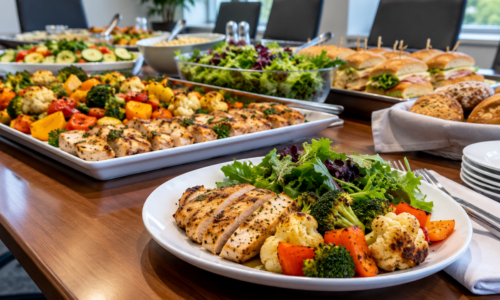
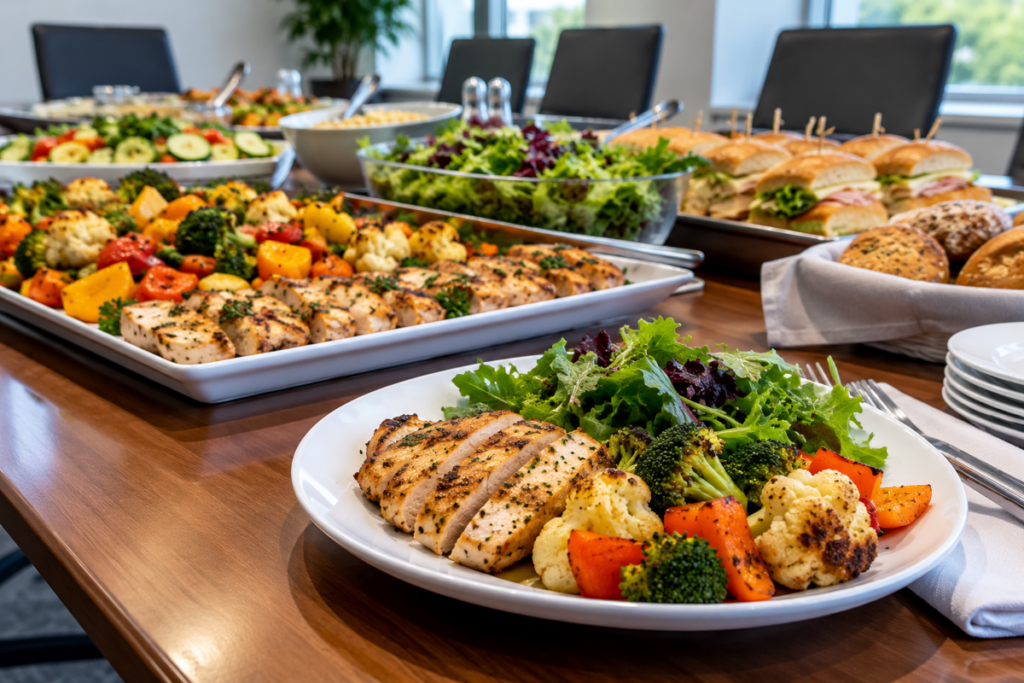
Restaurants offering individually prepared meals are often more practical than establishments specializing exclusively in pizza, sandwiches, or pasta. Grilled proteins, cooked vegetables, leafy greens, and simple side dishes provide useful starting points for assembling a meal. The specific choices will depend on which foods someone includes in their low-lectin eating pattern.
A grilled chicken entrée, for example, might be ordered with roasted cauliflower or broccoli instead of a wheat-based side dish. Fish accompanied by sautéed greens offers another possibility, provided the seasonings and cooking method are suitable. Requesting a sauce or dressing separately gives the diner greater control over the finished plate.
Preparation details matter because restaurant descriptions rarely identify every ingredient. Chicken advertised as grilled may have been marinated in soy sauce, while a vegetable dish might contain a flour-thickened sauce or unfamiliar seasoning mixture. Asking whether an entrée is breaded, whether the marinade contains soy, or whether the vegetables can be prepared with olive oil provides the kitchen with specific questions it can reasonably answer.
When Someone Else Orders for the Entire Team
Group catering creates additional limitations because meals are often selected before employees have an opportunity to review the menu. A manager might order several pizzas, a sandwich tray, or identical boxed lunches without realizing that some employees have different dietary preferences. The easiest time to request an adjustment is before the order is finalized.
A short message to the organizer may be sufficient: “I have a few dietary preferences, so could you let me know where we’re ordering from? I’ll check which options would work for me.” This approach allows the employee to investigate available choices without requiring the organizer to develop an entirely separate menu.
If the restaurant cannot provide a suitable option, bringing a prepared lunch and joining the gathering is reasonable. Eating alongside coworkers preserves the social aspect of the event, even when the meals come from different places. Another possibility is arranging a separate order from the same restaurant when individual purchasing is permitted.
Workplaces that organize frequent catered meals may find it helpful to collect dietary requirements during the planning process. Allowing individual meal selections can accommodate a wider range of needs than ordering identical lunches for everyone. This arrangement can benefit employees with food allergies, religious restrictions, vegetarian preferences, and other dietary considerations.
Reading Restaurant Menus Beyond the Dish Name
Restaurant menus often describe meals as fresh, grilled, plant-based, or gluten-free without identifying every ingredient. These descriptions offer limited information about whether a dish fits someone’s low-lectin preferences. A vegetable bowl, for example, might include corn, beans, tomato salsa, or a dressing made with ingredients the diner generally avoids.
Salads demonstrate why examining individual components is useful. A mixed green salad with grilled chicken, cucumber, and a simple olive oil dressing may suit one person’s eating pattern, while a similar salad containing chickpeas, tortilla strips, and a commercial dressing may require adjustments. The appearance of a dish provides little information about its complete ingredient list.
Sauces and marinades deserve particular attention because they may contain soy sauce, wheat-based thickeners, or other ingredients that are not apparent from the menu name. Requesting a simpler preparation is usually more effective than asking restaurant employees whether an entrée is officially low-lectin. There is no universally standardized restaurant definition for the term, and the foods restricted can differ among individuals.
Restaurant substitutions should remain realistic. Removing croutons, replacing a side dish, or serving dressing separately may be straightforward, while changing an already prepared marinade or premixed sauce may be impossible. Selecting an entrée that requires fewer modifications generally reduces confusion for both the customer and kitchen staff.
Dietary preferences should also be distinguished from medically necessary restrictions. Someone with a diagnosed food allergy or celiac disease may need specific ingredient verification and protection against cross-contact during preparation. Food Allergy Research & Education’s restaurant guidance provides detailed recommendations for communicating allergy-related requirements, including circumstances where restaurant preparation practices may make a meal unsuitable.
Office Potlucks and Homemade Foods
Office potlucks introduce a different set of challenges because dishes come from several home kitchens. A casserole may contain ingredients that are difficult to identify, while a familiar-looking vegetable dish might include sauces, seasonings, or toppings that are not immediately apparent. Homemade foods also seldom arrive with the detailed ingredient information available on packaged products.
Bringing a suitable dish is one of the simplest ways to participate while maintaining control over at least part of the meal. Roasted chicken with lemon and herbs, a cauliflower salad with olive oil dressing, or a platter of prepared vegetables can provide familiar options while contributing something enjoyable to the shared table.
The dish should appeal to coworkers who have no interest in low-lectin eating. Appropriate seasoning, attractive presentation, and a preparation that holds up during serving are more useful than emphasizing which ingredients have been excluded. A well-prepared vegetable salad can stand on its own merits without needing to be introduced as a specialized dietary product.
Consider how a dish will be transported and served before deciding what to bring. Roasted vegetables intended to be eaten warm may lose some of their appeal after sitting at room temperature, while a properly chilled vegetable salad can be convenient when refrigeration is available. Recipes that require last-minute cooking or complicated assembly are generally less practical for workplace gatherings.
Hosts can make potlucks easier by encouraging employees to provide brief ingredient descriptions. Identifying foods containing wheat, dairy, nuts, soy, or other common allergens helps guests select appropriate dishes, although a handwritten ingredient card cannot guarantee freedom from allergen cross-contact. Employees with medically necessary restrictions may still need direct information from the person who prepared the food.
Food safety becomes especially relevant when potluck dishes remain in conference rooms or break rooms for extended periods. Perishable foods containing cooked meat, poultry, eggs, dairy, and other ingredients requiring refrigeration need appropriate temperature control. Harmful bacteria may multiply without producing noticeable changes in appearance, odor, or flavor.
The FDA’s guidance for serving safe buffets recommends keeping cold foods at 40°F or below and hot foods at 140°F or above. Perishable foods should not remain at room temperature for more than two hours, with that limit reduced to one hour when temperatures exceed 90°F. Small serving platters that can be replenished from properly refrigerated or heated supplies are preferable to leaving large dishes exposed throughout a prolonged gathering.
Office organizers can help by providing refrigerator space, arranging suitable warming equipment, and identifying when food should be discarded. Serving utensils should remain with their respective dishes, and nearly empty platters should be replaced rather than repeatedly topped off with fresh food. These precautions apply to every shared meal, regardless of whether its ingredients fit a low-lectin eating pattern.
Packing Low-Lectin Lunches for the Workweek
Bringing lunch from home remains one of the most dependable ways to manage ingredients during a busy workweek. Preparing an extra portion of dinner often requires less effort than making an entirely separate meal every morning. Leftover roasted chicken, cooked vegetables, or another familiar protein can form the basis of lunch the following day.
Batch preparation provides additional flexibility when ingredients are stored separately. Cooked chicken might accompany roasted cauliflower one day and a leafy green salad the next, while olive oil, lemon juice, or a preferred dressing can be added just before eating. Keeping moisture-sensitive ingredients separate until serving helps maintain texture, especially when preparing several lunches in advance.
Cold storage requires attention when meals contain perishable ingredients. FoodSafety.gov’s recommendations for packed lunches advise using two cold sources for perishable foods and placing lunches in a refrigerator or cooler upon arrival when one is available. An insulated lunch bag with frozen gel packs is particularly useful for employees who commute or lack immediate access to refrigeration.
Prepared lunches can also make spontaneous group gatherings easier. An employee who already has suitable food available can join coworkers in the lunch area without needing to order from an unfamiliar restaurant. The meal remains predictable even when the day’s schedule changes.
Responding to Questions and Repeated Food Offers
Coworkers sometimes become curious when someone consistently declines shared food or brings lunch from home. Their questions may be friendly, but repeatedly explaining a specialized eating pattern can become tiring. A brief, consistent response generally maintains a comfortable boundary without suggesting that anyone else’s dietary choices require criticism.
Statements such as “I’m following a particular eating plan” or “I’m avoiding a few ingredients right now” usually provide enough information for casual conversation. Employees who enjoy discussing food and nutrition may choose to explain their preferences in greater detail when someone expresses genuine interest. A workplace celebration, however, does not create an obligation to discuss personal dietary habits.
Repeated encouragement can require a firmer response. “I appreciate the offer, but I’m going to pass” communicates a decision without inviting negotiation. If someone continues insisting, calmly repeating the same answer is generally more effective than offering increasingly detailed explanations.
There is no need to describe a voluntary dietary preference as a food allergy to make the restriction sound more serious. Food allergies involve specific immune reactions and may require precautions that differ substantially from avoiding selected ingredients by choice. Communicating accurately allows people with medical restrictions to receive appropriate consideration without turning ordinary food preferences into misleading health claims.
Managing Unexpected Meals and Dietary Exceptions
Even careful planning cannot account for every workplace situation. Meetings run late, employees are invited to unplanned lunches, or the only convenient restaurant offers a limited selection. These circumstances can make it difficult to follow a preferred eating pattern exactly as intended.
Having several dependable backup options can reduce the disruption. A shelf-stable snack, a nearby restaurant with suitable menu choices, or a prepared meal stored at work may be enough to handle an unexpected schedule change. Employees who travel between work locations may find it useful to identify suitable restaurants near their most frequent destinations.
Some people may choose to eat available foods that fall outside their usual dietary framework, particularly when they have previously tolerated those foods without difficulty. Others may prefer to wait for a familiar meal or arrange something separately. The practical consideration is avoiding a situation where maintaining unnecessarily rigid restrictions leads to repeatedly missing meals or consuming too little food during demanding workdays.
For those who keep dietary records, unexpected meals may provide information worth documenting. Recording ingredients, portion sizes, meal timing, and any subsequent symptoms can help reveal recurring associations. Digestive discomfort has numerous possible causes, so a reaction following a particular food cannot establish that lectins were responsible.
A longer record may also help distinguish a consistent pattern from an isolated experience. If significant or persistent symptoms are involved, a qualified health professional can help evaluate possible causes and whether dietary changes might create nutritional gaps.
Creating a More Accommodating Office Food Culture
Employees who organize workplace gatherings can make participation easier by considering different dietary needs before placing an order. Birthday celebrations might include fruit alongside cake, while catered lunches can offer a choice of proteins, vegetables, and sauces served separately. These adjustments are often easier to arrange during planning than after the food has arrived.
Gathering dietary information privately can also help employees avoid discussing personal health circumstances in front of colleagues. An organizer might circulate restaurant menus, provide ingredient information when available, and allow people to request suitable alternatives. The resulting process gives coworkers more control over their meals without making individual restrictions the focus of the event.
Workplace celebrations can also include activities that do not depend entirely on food. A team appreciation gathering might offer coffee, tea, sparkling water, and light refreshments while leaving room for conversation or recognition of a shared accomplishment. Employees who prefer not to eat can still participate naturally in the occasion.
For departments that regularly order group meals, maintaining a short list of restaurants with flexible menus can save considerable time. Organizers can record which establishments offer individual ordering, accommodate straightforward substitutions, and provide useful ingredient information. Updating that list as employees discover suitable options creates a practical resource that improves future lunches without requiring the same questions to be answered every time.