Mindset Shifts That Make Low-Lectin Eating Easier Long-Term
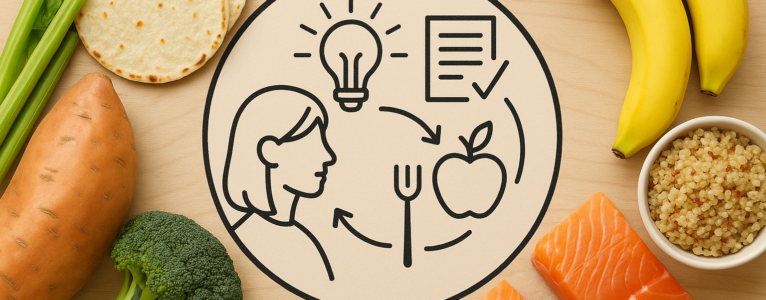
People often imagine that changing their diet is mostly an act of rearranging the items on their plate.

A low-lectin approach is more than a diet; it’s a way of living that supports overall well-being. This category explores the daily habits and complementary lifestyle practices that help reduce inflammation, improve energy, and support sustainable health. Topics include hydration, sleep, movement, stress management, supplementation, and mindset.
If you’re looking to build a balanced routine that pairs with your food choices, these articles offer simple strategies and long-term guidance.
People often imagine that changing their diet is mostly an act of rearranging the items on their plate.
For most of human history, movement wasn’t something people “fit in” between desk work, errands, and nightly scrolling, it was simply part of being alive.
When people begin a low-lectin lifestyle, the first changes they notice tend to be the obvious ones. The shift toward pressure-cooked legumes, the hunt for better oils, the sudden awareness of just how many foods rely on wheat, corn, or nightshades.
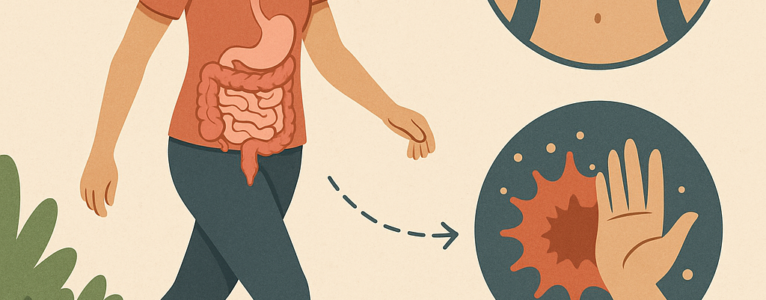
A healthy gut doesn’t happen by accident. It’s the product of dozens of micro-choices like what you eat, how you move, how you handle stress, how well you sleep, and even how you time your meals.
When people first explore a low-lectin lifestyle, the spotlight naturally falls on food. Which ingredients are safe? Which require pressure cooking? What can be substituted?