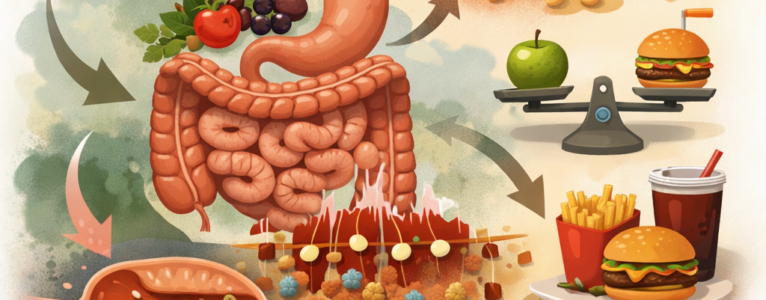
The Hidden Conversation Between Stress and the Gut
Most people think of stress as something that lives in the mind. A tight deadline, a difficult conversation, or a restless night can all feel like purely mental experiences.

A low-lectin approach is more than a diet; it’s a way of living that supports overall well-being. This category explores the daily habits and complementary lifestyle practices that help reduce inflammation, improve energy, and support sustainable health. Topics include hydration, sleep, movement, stress management, supplementation, and mindset.
If you’re looking to build a balanced routine that pairs with your food choices, these articles offer simple strategies and long-term guidance.
Most people think of stress as something that lives in the mind. A tight deadline, a difficult conversation, or a restless night can all feel like purely mental experiences.
Travel has a way of exposing every assumption we make about food. At home, you control your kitchen, your ingredients, and your routine. On the road, that control softens.
Most people think about inflammation in terms of food, stress, or illness. Those are important pieces of the puzzle, but there is another influence that works quietly in the background every single day.
Most people think of digestion as something that begins and ends with food. You eat, your body processes it, and eventually it is done.
If you have ever followed a low lectin lifestyle for any length of time, you have probably noticed something confusing. You clean up your meals, remove high lectin foods, cook properly, and start feeling better.
There is a powerful belief in modern health culture that more effort always leads to better results. Push harder. Train longer. Sweat more. For many people, exercise becomes a symbol of discipline and progress.
When people begin exploring digestive health, especially through the lens of lectins and food sensitivity, they often focus on what they eat. Ingredients, sourcing, preparation methods, and cooking techniques take center stage.
There is a moment that often gets overlooked in conversations about food. It is not the first grocery trip, not the first meal cooked at home, and not even the first time you notice a symptom improve.
For many people, choosing a vegetarian lifestyle begins with deeply held values. It might be about compassion toward animals, environmental stewardship, cultural tradition, or simply feeling better on a plant-based diet.
Most people think of digestion as something that happens only when food enters the body. Eat a meal, feel full, absorb nutrients, move on. But digestion is not a simple on-off process.
Most people think of sleep and food as two separate pillars of health. You eat during the day. You sleep at night.
Many people begin a low-lectin lifestyle because of obvious reactions. Bloating after meals. Joint stiffness the next morning. Brain fog that seems to drift in and out without warning.
Low-lectin eating often begins with a surge of motivation. The food lists are printed. The pressure cooker moves to the front of the counter. Labels are scrutinized with care that borders on suspicion.
Digestive discomfort is often blamed on what we eat. Ingredients get scrutinized, food groups are eliminated, and preparation methods become central to the conversation.
Many people think about hydration as a single daily goal. You either drink enough water or you do not. But timing plays a powerful role in how the body utilizes fluids.