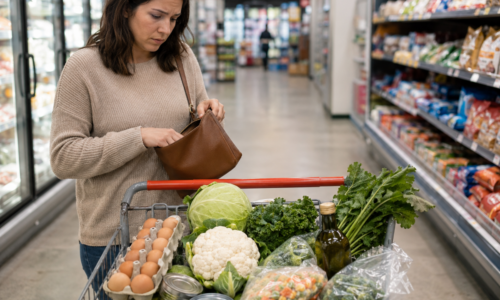
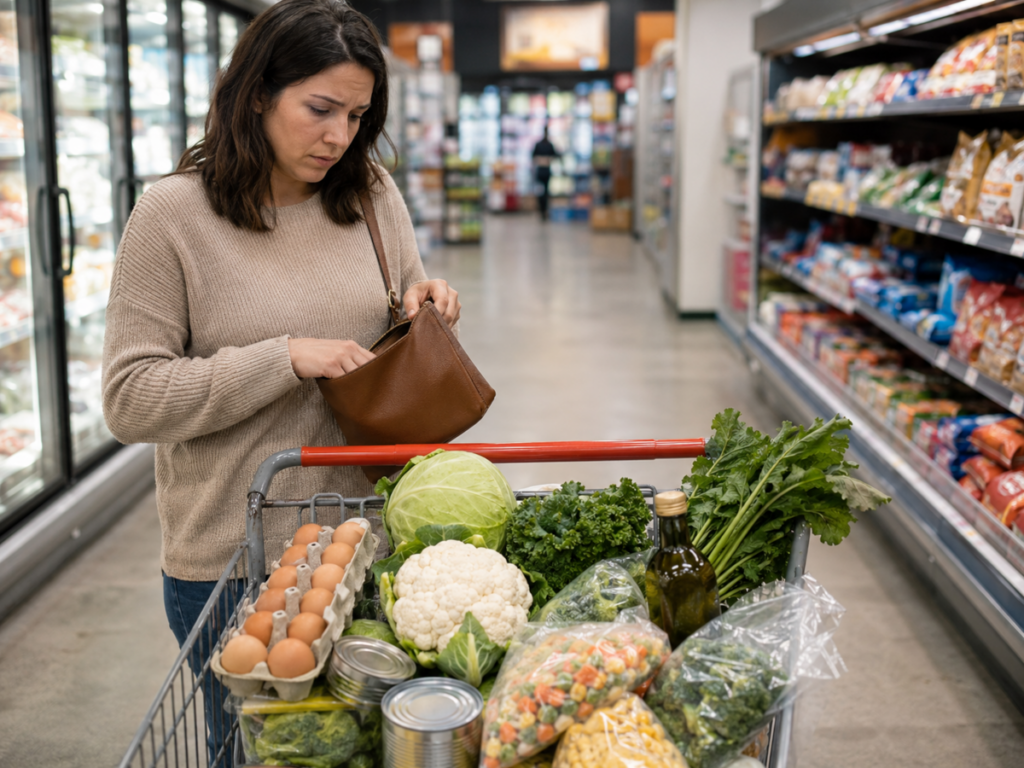
The grocery cart changes quickly once someone begins eating low-lectin. Familiar budget staples may no longer fit the plan. Wheat pasta, inexpensive bread, peanut butter, conventional milk, cereal, canned beans, and white potatoes can suddenly disappear from the weekly routine. In their place come pasture-raised meats, wild-caught fish, A2 dairy, extra-virgin olive oil, cassava flour, specialty crackers, and organic produce. Then the receipt prints.
A person can walk into the store feeling motivated and leave wondering whether eating for better health has become a luxury hobby. That frustration is valid. Food prices remain high, and the USDA expects grocery prices to continue rising during 2026. Even the agency’s lowest-cost food plan assumes that households cook most meals at home, shop carefully, and waste very little.
A low-lectin lifestyle does not have to be cheap to be worthwhile, but it does need to be financially sustainable. The goal is not to fill the kitchen with every premium product carrying a clean label. The goal is to build satisfying meals from foods that support your personal tolerance without draining the household budget. That requires priorities.
The Specialty-Food Trap
Many people begin by replacing every food they remove with a specialty version. Regular pasta becomes grain-free pasta. Sandwich bread becomes almond-flour bread. Crackers become cassava crackers. Cookies become coconut-flour cookies. Cow’s milk becomes a premium plant-based beverage. Breakfast cereal becomes a boutique granola made with imported nuts and exotic sweeteners. The diet changes, but the eating pattern does not.
This is one of the fastest ways to make low-lectin eating expensive. Packaged replacements often cost more because they use pricier ingredients, serve a smaller market, require specialized manufacturing, and arrive in smaller packages. A bag of cassava chips may disappear in one evening while costing as much as several pounds of whole vegetables.
Specialty products can still have a place. A package of compliant tortillas may make family taco night easier. A grain-free cracker may help during travel. A carefully chosen flour can open the door to occasional baking. Problems begin when these products become the foundation of every meal. Whole foods usually stretch farther.
Eggs with sautéed greens do not require low-lectin breakfast cereal. Roasted chicken and cauliflower do not need grain-free dinner rolls. Leftover beef served over cabbage does not require a substitute pasta underneath it. The cheapest replacement is often no replacement at all.
Decide Where Quality Matters Most
A food budget cannot treat every ingredient as equally deserving of an upgrade. Spending more on everything is not a strategy. It is a shopping spree. Choose the categories that matter most to your health goals, preferences, and tolerance. Someone may decide that pasture-raised eggs are worth the extra cost but buy conventional cabbage, onions, mushrooms, and frozen broccoli. Another household may prioritize grass-finished ground beef while purchasing store-brand olive oil that still meets basic quality standards. A person who does well with A2 dairy might buy it regularly while skipping costly dairy-free desserts.
This approach replaces perfection with intention. The organic label also deserves some perspective. Organic food can be a reasonable preference, but a low-lectin lifestyle does not automatically require every vegetable, herb, fruit, and spice to be organic. Conventional produce does not suddenly lose its nutritional value because the organic version costs two dollars more.
Buy the food you can consistently afford and prepare. Wash produce well. Peel it when appropriate. Remove seeds and skins from certain foods when that fits your tolerance. Do not let an all-or-nothing standard turn a workable diet into a financial burden.
Build Meals Around Affordable Proteins
Protein is often the most expensive part of the plate, especially when the shopping list includes pasture-raised, grass-finished, or wild-caught options. The answer is not necessarily to abandon those preferences. It is to change the cut, portion, and frequency.
Chicken thighs usually cost less than chicken breasts and often remain tender during reheating. Whole chickens can provide several meals, plus bones for stock. Ground meat is frequently less expensive than steaks, chops, or roasts. Canned sardines, salmon, and tuna may provide a practical alternative to fresh fish, depending on the brand and individual needs. Eggs can cover breakfast, lunch, or dinner without feeling like a compromise. Expensive proteins also stretch when they stop dominating the plate.
A pound of ground beef can become four large hamburger patties, or it can become a skillet meal with cabbage, mushrooms, onions, herbs, and a modest serving for each person. Shredded chicken can be folded into greens, added to soup, served in lettuce wraps, or mixed with avocado. Leftover salmon can become a salad topping instead of a second full entrée. This is not about shrinking meals until everyone stays hungry. It is about letting vegetables, healthy fats, and other tolerated foods share the workload.
Frozen Vegetables Deserve More Respect
Fresh produce looks appealing when neatly arranged in the refrigerator. It looks less appealing six days later when half of it has softened, wilted, or developed questionable spots. Frozen vegetables can be one of the best tools for reducing both cost and waste. They are already washed, cut, and ready to cook. The portion not used today remains frozen rather than slowly dying in the crisper drawer.
Frozen broccoli, cauliflower, spinach, kale, Brussels sprouts, and mixed vegetables can support quick meals without requiring another trip to the store. They work in soups, skillets, sheet-pan meals, egg dishes, and simple side dishes. Nutritionally, frozen produce can still contribute valuable vitamins, minerals, and fiber as part of a varied diet. The real bargain is not the food with the lowest shelf price. It is the food that gets eaten.
Fresh produce still makes sense for salads, raw snacks, and vegetables with textures that freeze poorly. The budget-friendly move is to stop treating fresh as morally superior. Use fresh foods where freshness improves the meal. Use frozen foods where convenience prevents waste.
Shop the Produce Section by Price, Not Fantasy
Meal planning often begins backward. Someone finds seven recipes online, writes down thirty different ingredients, and then discovers that each recipe requires its own herbs, vegetables, sauces, and specialty items. A cheaper plan begins at the store.
Look at what is reasonably priced that week. Cabbage may be a better buy than asparagus. Frozen cauliflower may cost far less than fresh cauliflower. Mushrooms might be on sale. A large bunch of greens may be marked down because it needs to be cooked soon. Build meals from those facts.
Cabbage is especially useful because it is inexpensive in many regions, lasts longer than delicate greens, and can be roasted, sautéed, braised, shredded for slaw, or added to soup. Cauliflower can become mash, rice, roasted florets, or a soup base. Onions and garlic create flavor across several meals. Leafy greens can be cooked into eggs, soups, and skillets before they spoil. Budget cooking works best when ingredients repeat.
That repetition does not mean every dinner tastes the same. A batch of roasted vegetables can accompany chicken one night, become part of a beef bowl the next, and land in an omelet later in the week. Changing the seasoning and preparation gives the ingredient a different role without requiring another purchase.
Cook Once, Then Redirect the Leftovers
Meal preparation does not need to mean eating five identical containers of chicken and broccoli. A better method is to prepare adaptable components. Roast a chicken. Cook a large tray of vegetables. Wash and dry greens. Make a basic vinaigrette. Prepare a pot of broth-based soup. These components can move in different directions during the week.
The chicken may appear beside roasted cauliflower on Monday. On Tuesday, it can become lettuce wraps with avocado and herbs. On Wednesday, the remaining meat can go into soup. The bones can be used for stock if time and energy allow.
This reduces the temptation to order food because dinner already has a head start. Restaurant meals, delivery fees, tips, and impulse add-ons can quickly cost more than a carefully selected package of better-quality protein.
Home cooking asks for time, though, and that cost is real. Not everyone can spend hours chopping and simmering. Pressure cookers, air fryers, sheet pans, and freezer portions can reduce hands-on work, but simplicity matters more than equipment. A healthy dinner can be eggs, sautéed greens, and avocado. It does not need twelve ingredients and a cinematic presentation.
Waste Is Part of the Grocery Budget
Food waste often hides because it happens one item at a time. Half an avocado turns brown. Greens become slimy. Leftover chicken sits too long. An expensive sauce expires after two uses. A bag of specialty flour is pushed behind other packages and forgotten. Each loss feels small. Together, they can erase the savings earned from coupons, sales, and comparison shopping.
The FDA advises consumers to distinguish quality-based dates from signs of actual spoilage. A “Best if Used By” date generally refers to peak quality rather than an automatic safety cutoff, although food should still be inspected and handled safely. Changes in smell, appearance, texture, or consistency can signal that a food should be discarded.
A weekly refrigerator check helps. Move foods that need attention to the front. Freeze portions before they become questionable. Label leftovers with the date. Keep a visible list of cooked foods that need to be eaten. Freezing is especially valuable for meat, broth, soups, chopped vegetables, berries, and baked items made with specialty flours. Small portions reduce the chance that the entire batch must be thawed at once.
Bulk Buying Can Save Money or Create Expensive Clutter
Bulk purchasing sounds economical, but the math only works when the food is used. A large package of meat can be divided and frozen. Olive oil may be worth purchasing in a larger container if the household uses it regularly and stores it properly. Frozen vegetables often make sense in family-size bags. Frequently used spices may cost less per ounce in larger containers.
Specialty foods require more caution. A giant bag of an unfamiliar flour is not a bargain when the household dislikes the first recipe. A warehouse-size package of snacks may encourage faster eating rather than lower spending. Nuts can become stale or rancid when stored too long. Test expensive ingredients in smaller quantities first. Bulk buying should follow established habits, not optimistic plans.
Stop Paying for Health Theater
Health-oriented packaging has become very good at creating urgency. Products advertise themselves as clean, ancestral, keto-friendly, gluten-free, plant-based, grain-free, natural, or superfood-powered. Those words can make an ordinary snack feel like a medical investment. The ingredient list still matters more than the front of the package.
A low-lectin label does not guarantee that a product supports your goals. It may still contain large amounts of sweetener, refined starch, questionable oils, or ingredients that do not agree with you. It may also cost four times more than a simple whole-food option. Food companies sell convenience and identity. They are allowed to make a profit. You are allowed to say no.
Before buying a specialty product, ask what job it performs. Does it solve a genuine problem, such as providing a portable food for work? Does it help the family stay consistent during a busy week? Is it an occasional treat that fits the budget? Or is it sitting in the cart because the package made healthy living look easy? Purpose earns a place in the budget. Marketing does not.
Create a Low-Lectin Price Book
Prices become harder to judge when they change constantly. A sale tag can look impressive even when the discounted price is higher than another store’s normal price. A simple price book solves that problem. It can be a notebook, spreadsheet, or note on your phone. Record the usual price for the foods you buy repeatedly, including the package size and store. Track meat by price per pound. Track olive oil by volume. Track frozen vegetables by weight. Track eggs by the dozen. After several weeks, patterns appear.
You will learn which store usually has the best chicken thighs, where A2 milk is most affordable, whether the warehouse package truly saves money, and how low a price needs to fall before stocking the freezer makes sense. This also protects against fake urgency. You no longer need to guess whether a sale is good. You already know.
Give Every Week a Financial Pressure Valve
Rigid meal plans break when life gets messy. A late meeting, sick family member, broken appliance, or exhausted evening can turn a carefully planned menu into takeout. Keep two or three cheap emergency meals available.
Eggs with frozen spinach can be ready quickly. Canned fish can be served over greens with olive oil and lemon. Frozen burger patties can go straight into a skillet. Leftover soup can move from freezer to pot. A basic chicken-and-vegetable meal may not feel exciting, but it can prevent a $45 delivery order.
The same flexibility should apply when money is unusually tight. One week may include less wild-caught fish and more eggs. Another may rely on ground meat instead of premium cuts. Frozen produce may replace fresh. An expensive snack may stay at the store. A sustainable low-lectin lifestyle has room for financial reality. It does not demand that every grocery trip prove how committed you are.