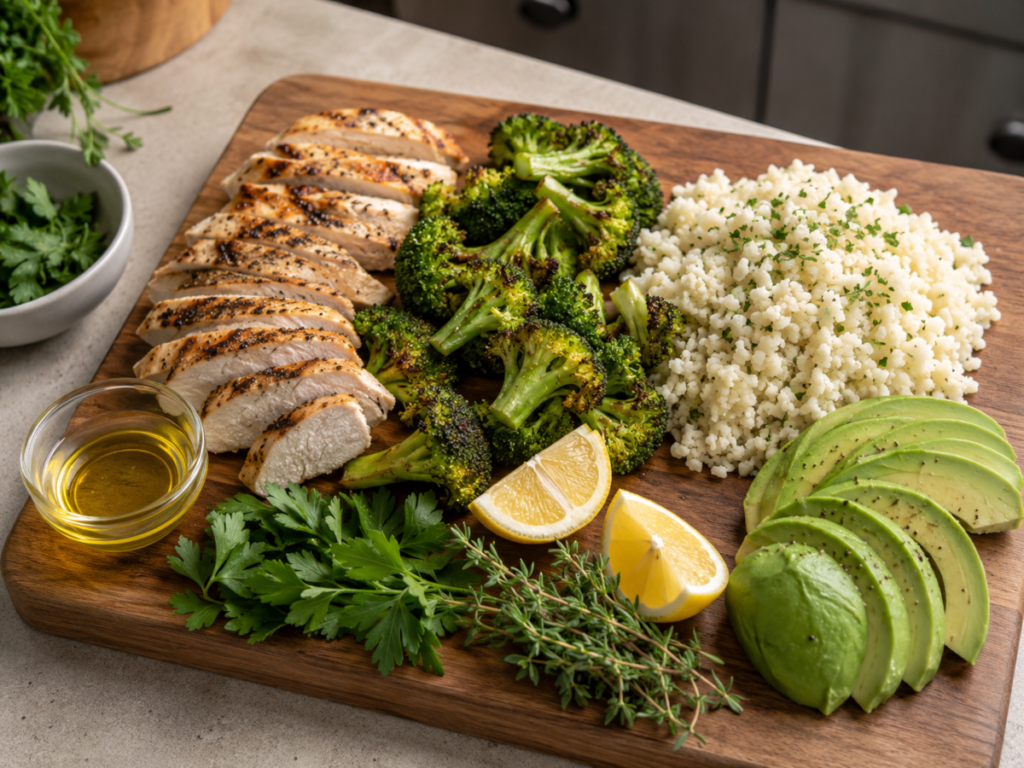
Weeknight cooking becomes much easier once dinner stops being a search for the perfect recipe and starts becoming a repeatable pattern. A low-lectin lifestyle can seem complicated when every meal is treated as a separate project, especially after a long workday when nobody feels like comparing ingredient lists, checking substitutions, and measuring twelve different seasonings. A simple dinner formula removes much of that friction while still leaving enough room for variety.
The idea is not traditional meal planning in which Tuesday must be chicken, Wednesday must be salmon, and Thursday must be something made from the leftovers. Instead, you build dinner from a few dependable categories: a protein, vegetables, an optional carbohydrate, a cooking fat, and a flavor profile. Once those categories are stocked with foods that fit your preferred version of low-lectin eating, dozens of meals can come from the same basic structure.
That flexibility matters because low-lectin eating is not supported by a large body of clinical trials showing that everyone benefits from avoiding lectins. Research does clearly establish that certain active lectins, particularly phytohemagglutinin in raw or inadequately cooked beans, can cause gastrointestinal illness. At the same time, broad claims that normally prepared lectin-containing foods cause chronic inflammation or disease in the general population have not been established through strong human clinical evidence.
That makes a practical low-lectin dinner formula less about fearing particular foods and more about creating a dietary pattern that reflects your choices, preparation methods, nutritional needs, and personal tolerance.
Start With a Five-Part Dinner Formula
A useful weeknight structure is protein + two vegetables + optional carbohydrate + healthy cooking fat + flavor. The portions can change with appetite, activity level, health needs, and the type of ingredients being used, but the structure itself stays remarkably dependable.
This approach also prevents one of the common problems with restrictive eating patterns: removing foods without replacing what they contributed to the meal. If bread, pasta, beans, conventional grains, or certain vegetables disappear from the plate, dinner can become surprisingly small and repetitive. Building around several food categories encourages a more complete meal rather than leaving you with chicken and a lonely pile of lettuce every night.
The formula also gives you permission to change only one piece at a time. The same roasted chicken can become Mediterranean-inspired one night, a garlic-herb dinner another night, and a ginger-sesame bowl later in the week simply by changing the vegetables, seasoning, and side.
Choose a Protein You Can Cook Without Thinking About It
Protein makes a useful anchor because it usually determines both the cooking method and the general direction of the meal. Chicken thighs, chicken breast, turkey, pasture-raised eggs, pork, grass-fed beef when available, lamb, and seafood can all work within many low-lectin approaches.
The best weeknight proteins are not necessarily the most impressive ones. They are the foods you already know how to cook reliably. Someone comfortable pan-searing salmon in ten minutes has a much easier dinner option than someone attempting an elaborate fish recipe requiring six unfamiliar ingredients.
Keep several cooking methods in rotation rather than constantly searching for new recipes. Chicken thighs can be roasted, beef can be browned in a skillet, pork tenderloin can go into the oven, eggs can become a vegetable scramble, and fish can be pan-seared or baked. Familiar technique reduces decision-making while seasonings keep the meals from tasting identical.
Batch cooking can make this part even easier. Roasting several chicken thighs or cooking extra ground meat provides a protein base that can be paired with different vegetables over the next few meals. The goal is not to eat the exact same dinner three nights in a row, but to reuse the labor that went into preparing one component.
Build Most of the Plate Around Vegetables You Actually Enjoy
Vegetables provide much of the color, texture, fiber, and variety in this dinner system. Common choices in lower-lectin meal patterns include leafy greens, broccoli, cauliflower, cabbage, Brussels sprouts, asparagus, mushrooms, onions, garlic, celery, radishes, and many herbs.
There is little benefit in buying vegetables because they appear on an approved-food list if they consistently end up decomposing in the refrigerator. Pick four or five dependable vegetables that you genuinely like and learn several ways to prepare them. Broccoli can be roasted until browned at the edges, quickly sautéed with garlic, or chopped finely and combined with cauliflower rice.
Cooking method changes the experience almost as much as changing the vegetable itself. Roasted cabbage becomes sweet and browned, while sautéed cabbage stays softer and works well underneath sausage or ground pork. Cauliflower can become mash, rice, roasted florets, or the base of a creamy soup.
Frozen vegetables deserve a place in the weeknight system as well. Frozen cauliflower rice, broccoli, spinach, or other vegetables that fit your dietary approach can eliminate washing and chopping while reducing food waste. Convenience is not a dietary failure. If a bag of frozen vegetables prevents dinner from becoming takeout, it has done its job.
Add Carbohydrate According to Your Needs and Tolerance
A low-lectin dinner does not automatically need to become an extremely low-carbohydrate dinner. Those are separate dietary decisions, even though the two approaches sometimes overlap because removing grains and legumes can reduce carbohydrate intake.
Depending on the low-lectin framework being followed, carbohydrate options might include sweet potatoes, cassava, plantains, resistant-starch preparations, or other tolerated foods. Some people may prefer a larger serving after physical activity, while others feel better with a smaller portion and additional non-starchy vegetables.
This is an area where observation is particularly useful. Instead of assuming that every dinner requires the same ratio of protein, vegetables, and starch, pay attention to hunger, energy, digestion, sleep, and how satisfied you feel afterward. A food journal can help identify repeated patterns, especially when meals are kept simple enough that individual ingredients are recognizable.
Restrictive dietary patterns can unintentionally narrow nutrient intake if more and more food groups disappear over time. If a person’s food choices become very limited because of digestive symptoms, allergies, medical conditions, or multiple overlapping dietary restrictions, working with a qualified clinician or registered dietitian can help identify nutritional gaps rather than simply cutting additional foods.
Use Fat as Both a Cooking Tool and a Flavor Ingredient
Cooking fat is easy to overlook because it rarely receives top billing in a recipe, but it can determine whether simple food tastes satisfying. Extra-virgin olive oil, avocado oil, and other fats that fit your preferred eating pattern can help vegetables brown, carry herbs and spices, and make straightforward meals feel complete.
Different fats also suit different kitchen jobs. Olive oil works beautifully with roasted vegetables, greens, garlic, herbs, and many Mediterranean-style meals. Avocado oil is convenient for higher-temperature cooking because of its mild flavor and cooking characteristics.
Fat does not need to overwhelm the plate. Often the tablespoon used to sauté vegetables or coat them before roasting is doing several jobs at once, including improving texture and carrying flavor. Adding more automatically is not necessary if the finished meal already tastes satisfying.
Let Flavor Profiles Create the Variety
The easiest way to keep a dinner formula from becoming boring is to separate ingredients from flavors. Chicken and broccoli do not have to taste like “chicken and broccoli” every time they appear together.
A garlic-herb version might use olive oil, garlic, rosemary, thyme, lemon, salt, and black pepper. Another evening, ginger, garlic, scallions, sesame oil, and coconut aminos can push the same basic ingredients in a completely different direction. Turmeric, cumin, coriander, garlic, and lemon can create another variation without changing the protein at all.
Fresh herbs deserve special attention because they provide a large change in flavor without rebuilding the entire meal. Basil, parsley, cilantro, rosemary, thyme, dill, mint, and chives can turn inexpensive basic ingredients into meals that feel intentionally prepared.
Acidity helps too. Lemon juice, lime juice, or a vinegar that fits your eating plan can brighten roasted meat and vegetables, particularly when a meal tastes heavy or flat. Seasoning near the end of cooking often requires far less effort than adding another complicated sauce.
Turn the Formula Into Actual Weeknight Meals
Once the categories are understood, dinner combinations begin appearing almost automatically. A skillet of ground beef with mushrooms and chopped kale can be served beside roasted sweet potato. Chicken thighs can roast on a sheet pan with cauliflower and Brussels sprouts, then be finished with lemon and herbs.
Another evening might be pan-seared salmon with asparagus and cauliflower mash. Pork sausage that meets your ingredient preferences can be roasted with cabbage and onions. Eggs can become a mushroom, spinach, and herb scramble served with avocado and roasted vegetables when dinner needs to happen quickly.
None of these meals requires a complicated recipe because the formula is doing the organizational work. Protein provides the center of the meal, vegetables provide volume and variety, an optional carbohydrate adjusts the meal to appetite, fat supports cooking and flavor, and seasonings change its personality.
Leftovers become easier to use as well. Yesterday’s roasted chicken does not need to return as yesterday’s dinner. Chop it into sautéed cabbage, place it over cauliflower rice, combine it with greens and avocado, or warm it with mushrooms and garlic.
Preparation Matters More Than a Simple Good-Food, Bad-Food List
Lectin discussions sometimes reduce foods to two categories, acceptable and unacceptable, but food preparation makes the subject more complicated. Lectins are carbohydrate-binding proteins found in many plants, and their activity varies considerably among foods. Research examining commonly consumed plant foods has also shown that soaking and especially adequate cooking can substantially reduce lectin activity in many foods.
Beans provide the clearest food-safety example. The FDA advises soaking dried kidney beans for at least five hours, discarding the soaking water, and boiling the beans in fresh water for at least 30 minutes to destroy phytohemagglutinin. EFSA’s 2026 assessment likewise concluded that adequate processing, including proper soaking and boiling, can deactivate lectins in pulses, while raw or insufficiently cooked beans can pose a health risk.
That does not mean someone intentionally following a stricter low-lectin plan must begin eating beans. It simply illustrates why preparation deserves more attention than blanket statements about plant foods. Some people prefer to exclude certain ingredients entirely, while others experiment with preparation methods and portion sizes according to their goals and tolerance.
Stock the Kitchen for Combinations Instead of Recipes
Shopping becomes easier when the grocery list is organized around interchangeable building blocks. Instead of buying ingredients for seven completely different dinners, buy several proteins, several vegetables, one or two optional carbohydrate choices, and a small collection of reliable seasonings.
The refrigerator might contain chicken thighs, ground beef, eggs, broccoli, cabbage, cauliflower, mushrooms, leafy greens, lemons, garlic, and herbs. The freezer might hold fish fillets and cauliflower rice. The pantry provides olive oil, avocado oil, coconut aminos, vinegars, dried herbs, spices, and other ingredients that fit your particular approach.
Those ingredients are not seven predetermined meals. They are possibilities. Ground beef can go with cabbage tonight and cauliflower rice tomorrow. Broccoli can share a sheet pan with chicken or sit beside salmon. Mushrooms can join beef, eggs, chicken, or greens.
That difference may seem small, but it changes meal planning from predicting exactly what you will want to eat six days from now into making sure useful food is available.
Keep an Emergency Version of the Formula
Even a good cooking routine needs a backup plan for evenings when energy is low. An emergency dinner should require almost no thought and very little cleanup.
Frozen fish, frozen vegetables, eggs, previously cooked meat, cauliflower rice, washed greens, and a dependable seasoning mixture can create dinner quickly without abandoning the general structure. A plate of scrambled eggs with sautéed spinach and mushrooms is still dinner. So is leftover chicken reheated with frozen cauliflower rice and olive oil.
Having two or three meals like these available is often more useful than collecting another hundred recipes. Consistency depends partly on making the easier choice genuinely easy, rather than expecting motivation to appear every evening at six o’clock.
Adjust the Formula as Your Own Patterns Become Clearer
Personal tolerance deserves more weight than assumptions made from a food category alone. Two people following similar low-lectin plans may discover that their meals look quite different because appetite, digestion, medical history, activity level, preferences, and individual responses differ.
Tracking can help separate a repeated pattern from a single uncomfortable evening. Recording the main ingredients, preparation method, approximate portion, digestion, energy, and other relevant observations gives you something concrete to compare over time. It also reduces the temptation to blame the newest or most unusual ingredient automatically.
A dinner formula makes that observation easier because meals stay simple enough to understand. If most evenings begin with a familiar protein, a couple of vegetables, an optional carbohydrate, cooking fat, and straightforward seasonings, changes stand out more clearly.
After a while, the formula becomes less of a system and more of a cooking instinct. You open the refrigerator, see chicken, cabbage, mushrooms, and a sweet potato, and dinner is already mostly decided. The remaining choices are simply how to cook them and which flavors sound good that evening.