A carefully prepared low-lectin meal can still be followed by a headache, facial flushing, digestive discomfort, or an unexpected reaction that seems difficult to explain. The ingredients may be familiar, the cooking methods appropriate, and the portions reasonable. Yet the symptoms can resemble those that originally prompted someone to reconsider lectins in their diet.
Histamine offers one possible explanation. This naturally occurring compound participates in immune responses, digestion, and several other physiological functions. It is also present in certain foods, particularly those that have undergone fermentation, aging, or microbial changes during processing and storage.
For someone following a low-lectin lifestyle, the distinction deserves attention because histamine and lectins behave differently in food and in the human body. Their associated symptoms can overlap, but the scientific evidence supporting each mechanism differs considerably. Understanding these differences can make dietary observations more useful and help prevent unnecessary restrictions.
Histamine and Lectins Affect the Body Through Different Mechanisms
Histamine is a biologically active compound produced naturally by the human body. It acts as a chemical messenger involved in immune defense, stomach acid secretion, blood vessel regulation, and communication within the nervous system. Specialized immune cells, including mast cells and basophils, release histamine during allergic reactions and certain other physiological responses.
Histamine also enters the digestive system through food. Certain microorganisms can convert histidine, an amino acid found in proteins, into histamine during fermentation or when food is inadequately handled and stored. The amount produced depends on the food’s composition, microbial activity, temperature, processing conditions, and storage history.
An enzyme called diamine oxidase, or DAO, helps break down ingested histamine in the intestinal tract. Another enzyme, histamine-N-methyltransferase, contributes to histamine metabolism within tissues. Researchers have proposed that some individuals experience symptoms when dietary histamine exposure exceeds their capacity to break it down, although this explanation remains difficult to confirm clinically.
A 2025 scientific review examining dietary management of histamine intolerance discusses the proposed relationship between DAO activity, dietary histamine, and reported symptoms. The review also acknowledges the absence of a validated diagnostic biomarker and the limitations of available clinical studies.
Lectins are fundamentally different substances. They are proteins that bind to particular carbohydrate structures and occur in plants, animals, and microorganisms. Different lectins possess different biological properties, and some can be substantially altered or inactivated through appropriate food processing.
The best-established dietary example involves phytohaemagglutinin, a lectin present at high activity levels in raw kidney beans. Consuming raw or inadequately cooked kidney beans can cause acute gastrointestinal illness. However, this documented food-poisoning mechanism does not establish that eating properly prepared lectin-containing foods routinely produces chronic digestive or inflammatory symptoms.
The expression “pure lectin intolerance” is sometimes used informally to describe reactions attributed specifically to lectins. Unlike lactose intolerance or a confirmed food allergy, it is not an established clinical diagnosis with standardized testing criteria. Consequently, symptoms attributed to lectins may involve other food components or gastrointestinal conditions that require separate consideration.
Why Histamine Flare-Ups Can Resemble Lectin Reactions
Symptoms attributed to histamine intolerance frequently extend beyond digestion. Reported complaints include bloating, abdominal discomfort, diarrhea, headaches, facial flushing, itching, nasal congestion, and occasionally a sensation of rapid heartbeat. Some individuals describe symptoms shortly after eating, while others report less consistent timing.
These complaints are difficult to interpret because they are associated with numerous medical conditions. A headache after consuming aged cheese does not establish histamine intolerance, just as bloating after a bean-based meal does not establish lectin sensitivity. Both observations provide information about a meal, but neither identifies the responsible substance.
Acute kidney bean lectin poisoning has a more clearly documented presentation. Symptoms commonly include pronounced nausea, vomiting, abdominal pain, and diarrhea, often beginning within several hours after consumption. This foodborne illness differs from the broader collection of chronic or recurring symptoms sometimes attributed to dietary lectins.
Histamine also plays a central role in many genuine allergic reactions. During an IgE-mediated food allergy, the immune system can release histamine and other inflammatory substances after encountering a specific allergen. The resulting symptoms may resemble those attributed to dietary histamine intolerance, even though the biological mechanisms and medical risks differ.
The American Academy of Allergy, Asthma & Immunology’s explanation of food allergies describes these distinctions and the need for accurate evaluation. Difficulty breathing, throat tightness, significant swelling, or faintness following food exposure may indicate anaphylaxis and require immediate emergency treatment. Individuals prescribed epinephrine should follow their established emergency action plans rather than attempting to manage a severe reaction through dietary changes.
Foods That Can Complicate a Low-Lectin Eating Pattern
One reason histamine-related concerns can be overlooked within low-lectin eating is that the two dietary considerations do not follow the same ingredient patterns. A food may satisfy someone’s preferred lectin restrictions while containing appreciable amounts of histamine. Another food may contain lectins before cooking but contribute relatively little dietary histamine.
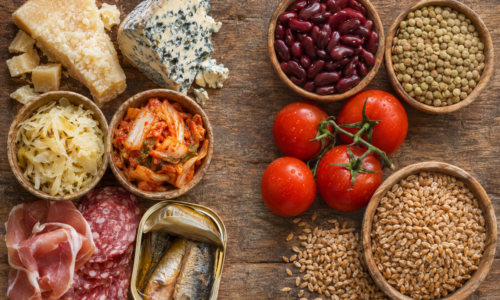
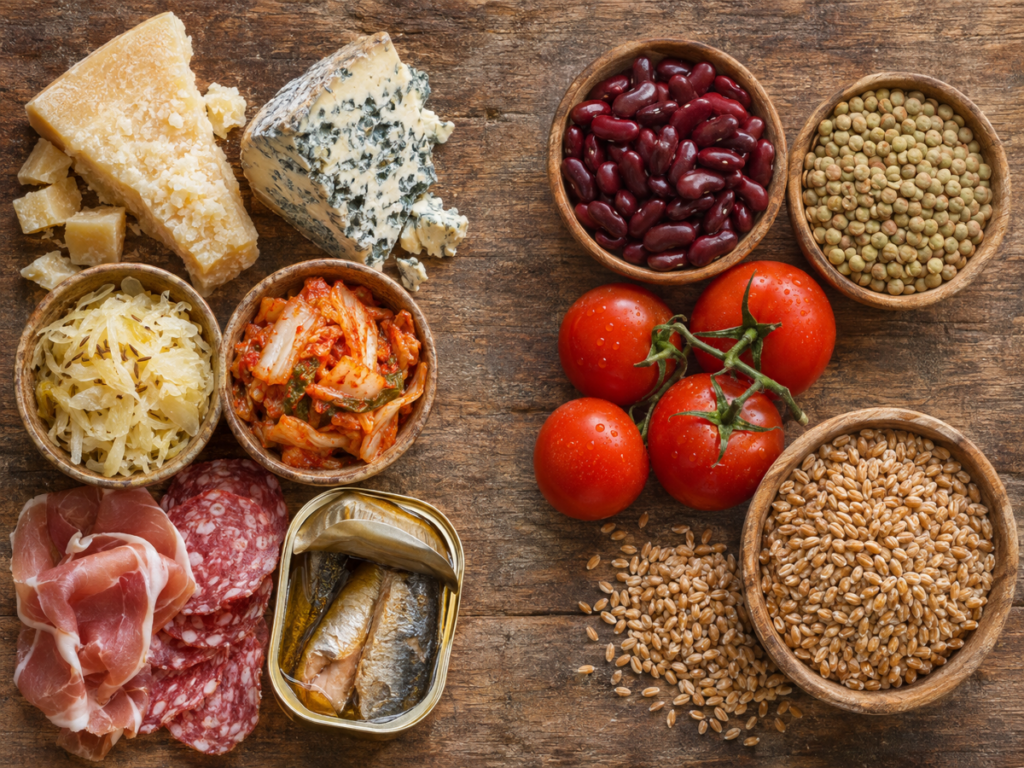
Aged cheeses provide a familiar example. Parmesan, blue cheese, and other matured varieties undergo microbial and biochemical changes that can result in histamine formation. Concentrations vary according to production methods, microbial cultures, maturation conditions, and storage, making broad assumptions about individual products unreliable.
Fermented foods introduce similar variables. Sauerkraut, kimchi, soy sauce, miso, fermented sausages, and certain alcoholic beverages may contain histamine and other biologically active amines. Their concentrations can differ substantially between products and even between production batches.
This becomes relevant when someone adds fermented vegetables or specialty condiments to a low-lectin meal plan. Such ingredients may fit personal dietary preferences while introducing a separate source of histamine exposure. Whether that exposure contributes to symptoms remains an individual clinical question rather than something established by the ingredient’s presence alone.
Fish presents a particularly important distinction because histamine can accumulate when certain species are inadequately chilled after harvesting. Tuna, mackerel, mahi-mahi, and several other fish contain substantial amounts of the amino acid histidine, which microorganisms can convert into histamine. Under improper handling conditions, concentrations may become high enough to cause scombrotoxin fish poisoning.
In its November 2024 guidance on histamine-forming fish, the FDA explains that histamine already formed in fish cannot be removed by washing, freezing, or heating. Proper chilling throughout harvesting, processing, and distribution helps prevent hazardous accumulation. Scombrotoxin poisoning is an established foodborne illness and should not be confused with the proposed condition of chronic histamine intolerance.
Several vegetables and fruits, including tomatoes, spinach, and eggplant, also appear on commonly circulated low-histamine food lists. Their reported histamine concentrations and the evidence supporting their exclusion are less consistent than those of well-characterized histamine-forming foods. Individual products, analytical methods, and storage conditions can influence reported values.
Why Histamine-Releasing Food Lists Require Caution
Some dietary guides distinguish foods containing histamine from those believed to stimulate histamine release inside the body. The second category is often described as containing “histamine liberators.” Strawberries, citrus fruits, chocolate, and numerous other foods have been placed in this group.
The scientific support for these classifications remains limited. A 2021 clinical guideline on suspected reactions to ingested histamine, developed through German, Swiss, and Austrian allergy organizations, found insufficient evidence to establish the clinical significance of proposed histamine-releasing foods.
This limitation matters when combining dietary approaches. Someone already avoiding selected legumes, grains, or nightshade vegetables because of lectin preferences could end up excluding additional fruits, vegetables, dairy products, and other nutritious foods based on poorly supported classifications. The resulting diet may become unnecessarily restrictive without providing clearer information about the source of symptoms.
A more useful distinction separates foods with documented potential for histamine accumulation from foods restricted primarily because of uncertain theories. Repeated symptoms following a particular ingredient may warrant closer examination, but assigning the reaction to histamine release requires evidence beyond its appearance on a dietary list.
Cooking Changes Lectins Differently Than It Changes Histamine
Food preparation provides one of the clearest practical differences between histamine and certain lectins. Some lectins are susceptible to prolonged heating in water, which can substantially reduce their biological activity. Histamine, by comparison, is relatively heat-stable and cannot reliably be eliminated through ordinary cooking.
Red kidney beans illustrate the importance of ingredient-specific preparation. The FDA’s guidance on naturally occurring food toxins recommends soaking dried kidney beans for at least five hours, discarding the soaking water, and boiling them in fresh water for at least 30 minutes. Properly processed canned kidney beans contain greatly reduced levels of active phytohaemagglutinin.
Slow cookers should not be relied upon to make raw dried kidney beans safe because they may not reach temperatures sufficient to inactivate the lectin. Beans should undergo the recommended boiling treatment before being added to a slow-cooked preparation. This safety requirement applies regardless of whether someone follows a low-lectin diet.
The effectiveness of cooking cannot be generalized to every plant lectin. Protein structure, cooking temperature, moisture, and processing duration influence how different lectins respond. Demonstrating that cooking reduces measurable lectin activity also does not establish that additional lectin reduction will improve symptoms in someone consuming foods that are already properly prepared.
Histamine requires a different approach. Reheating a fish dish cannot reverse histamine accumulation that occurred during improper storage, and cooking does not make spoiled fish safe. Preventing problematic formation through appropriate handling is more reliable than attempting to correct the food afterward.
These differences can also inform dietary observations. A reaction associated with fermented or aged foods may raise different questions from symptoms following inadequately prepared legumes. However, changes in cooking methods frequently affect texture, fermentable carbohydrates, and other components, so improvement after a preparation change does not identify lectins or histamine as the cause.
Food Freshness, Refrigeration, and Leftover Meals
Batch cooking is a practical way to maintain a specialized eating pattern without preparing every meal from scratch. Cooked proteins, vegetables, soups, and grains can be divided into portions and stored for later use. For people investigating possible histamine-related symptoms, preparation and storage history may provide useful additional information.
Histamine formation depends on microbial activity and environmental conditions, particularly in foods susceptible to histamine accumulation. However, ordinary refrigerated leftovers should not automatically be classified as high-histamine foods. Scientific evidence has not established a universal refrigeration period at which a meal becomes unsuitable for someone reporting histamine-related symptoms.
Food safety recommendations provide a reliable foundation for storage decisions. According to FoodSafety.gov’s guidance on chilling and storing food, perishable foods should be refrigerated within two hours, or within one hour when exposed to temperatures above 90°F (32°C). Refrigerators should be maintained at 40°F (4°C) or below, and leftovers should be divided into shallow containers for rapid cooling.
Most properly refrigerated cooked leftovers should be used within three to four days or frozen for longer storage, following USDA food-safety guidance. This timeframe addresses general microbial safety rather than establishing a specific histamine tolerance threshold. Freezing prevents further microbial growth while food remains frozen, but it does not remove histamine already present.
A large batch of chicken and vegetable soup provides a useful example. Dividing the finished soup into individual containers allows portions to cool promptly and makes it easier to freeze meals intended for later use. Reheating only the portion needed also avoids repeatedly handling the entire batch.
Someone examining possible reactions to stored foods might compare meals prepared and handled under different conditions while keeping the ingredients reasonably consistent. Such observations may reveal a useful association, although they cannot establish the amount of histamine consumed. Safe handling practices should remain consistent regardless of whether a connection with symptoms is eventually identified.
Tracking Food Reactions Without Assuming the Cause
A food diary becomes more useful when it records preparation and circumstances alongside ingredients. Simply writing that a meal contained chicken, vegetables, and rice may leave out the details needed to understand recurring symptoms. A sauce, fermented condiment, alcoholic beverage, or variation in storage could be relevant to the comparison.
Useful records include the major ingredients, approximate portions, cooking methods, storage conditions, symptom timing, and the nature of the reaction. Medications, recent illness, alcohol intake, and other circumstances may also affect how symptoms are interpreted. Recording these details consistently makes it easier to examine repeated patterns rather than isolated incidents.
Meals that produce no symptoms are equally informative. Without documenting successful meals, a diary can become dominated by unpleasant experiences and exaggerate the apparent relationship between certain ingredients and discomfort. Repeatedly tolerating a food under several circumstances may provide useful context when examining an occasional reaction.
Portion size deserves attention because digestive discomfort can depend on the amount consumed. A small serving of beans may produce fewer symptoms than a large serving because of differences in fermentable carbohydrate intake, independently of lectin activity. Similarly, a meal containing several aged or fermented ingredients may introduce more dietary histamine than a simpler meal, although actual exposure cannot be calculated reliably from ingredients alone.
Timing can help organize observations but rarely provides a definitive answer. Some allergic reactions develop rapidly, while certain digestive reactions emerge later as food moves through the gastrointestinal tract. The same symptom may also occur for reasons unrelated to the most recent meal.
The purpose of recording these patterns is to identify specific, reproducible associations that deserve further evaluation. A record showing recurring flushing after aged cheese provides a more focused starting point than assuming every unfamiliar symptom reflects lectin intolerance. It also allows dietary restrictions to be reconsidered when suspected associations do not hold up over time.
Other Digestive Conditions Can Explain Similar Symptoms
Legumes contain fermentable carbohydrates that intestinal microorganisms can break down, sometimes producing gas, bloating, and abdominal discomfort. These carbohydrates can remain relevant even after proper cooking reduces lectin activity. Consequently, symptoms following beans or lentils may involve carbohydrate fermentation rather than a direct reaction to lectins.
Lactose intolerance, irritable bowel syndrome, celiac disease, and other gastrointestinal disorders can also produce symptoms attributed to food sensitivity. Some have established diagnostic tests or clinical evaluation methods that can provide more reliable answers than repeated ingredient elimination. Persistent digestive complaints deserve consideration within that broader medical context.
Histamine-related complaints introduce additional uncertainty because headaches, skin changes, and gastrointestinal symptoms may arise through different mechanisms. A person experiencing several symptoms after meals may understandably suspect a common dietary explanation, but symptom overlap does not demonstrate a shared cause.
A 2023 placebo-controlled clinical study of suspected histamine intolerance illustrates the diagnostic problem. Among 59 participants evaluated, many experienced symptoms after receiving a placebo, and the investigators excluded histamine intolerance in most cases. The study was relatively small and used a single-blind challenge design, but its findings demonstrate why reported reactions and improvements during dietary restriction require careful interpretation.
Serum DAO testing presents another difficulty. Although the enzyme participates in histamine metabolism, blood DAO measurements have not been validated as reliable stand-alone diagnostic tests for histamine intolerance. Values may vary, and a low result does not establish that an individual’s symptoms are caused by impaired dietary histamine breakdown.
Commercial food sensitivity panels also require caution, particularly tests that interpret food-specific IgG antibodies as evidence of intolerance. Such results are not established methods for diagnosing histamine intolerance or a proposed chronic lectin intolerance. They can lead to unnecessary dietary exclusions when interpreted without an appropriate clinical assessment.
Making Dietary Adjustments Without Excessive Restriction
A practical investigation can begin with foods that are already familiar and consistently tolerated. Someone comfortable eating freshly prepared poultry, selected vegetables, olive oil, and a preferred grain does not need to replace the entire meal plan to examine a possible histamine association. Changing numerous ingredients simultaneously makes it harder to determine which adjustment, if any, is responsible for a difference in symptoms.
Simple meals can make comparisons more manageable. Freshly cooked chicken with steamed cauliflower, millet, and olive oil offers fewer preparation variables than a dish containing aged cheese, cured meat, fermented sauce, and several condiments. The simpler meal is not a treatment for histamine intolerance, but it may make a food diary easier to interpret.
Packaged foods introduce additional challenges because labels identify ingredients rather than measured histamine concentrations. A label may reveal aged cheese, fermented soy products, or cured meats, but it cannot establish how much histamine the finished product contains. Similarly, the absence of these ingredients does not guarantee a histamine-free product.
Restaurant meals require a slightly different approach. A grilled protein may be served with a fermented marinade, aged cheese topping, or vinegar-based reduction that is not obvious from the menu description. Requesting a straightforward preparation and asking about major ingredients can help reduce uncertainty without requiring a restaurant to provide information it cannot reasonably verify.
For someone with persistent symptoms, a clinician or registered dietitian may recommend a short, structured dietary trial after other relevant conditions have been considered. The 2021 European allergy guideline describes an initial restriction phase followed by systematic reintroduction and dietary expansion. Its emphasis is on identifying reproducible reactions while avoiding prolonged, unnecessarily broad restrictions.
Reintroduction matters because apparent improvement during elimination may have several explanations. Smaller portions, reduced alcohol intake, fewer fermentable carbohydrates, or simpler meals may all affect symptoms. Restoring selected foods in a planned manner can help determine whether a particular restriction provides consistent value.
People with a history of severe allergic reactions should not attempt independent food challenges involving suspected allergens. Such situations require professional evaluation, with medically supervised challenges when appropriate.
DAO Supplements, Antihistamines, and Dietary Expectations
DAO supplements are marketed to people who believe they have difficulty breaking down dietary histamine. Some small clinical studies have reported symptom improvements, but the evidence remains limited by differences in study design, participant selection, and supplement formulations. Current research does not establish reliable effectiveness across individuals or confirm that improvement after supplementation proves an underlying enzyme deficiency.
Antihistamine medications work through a different mechanism. They block histamine activity at particular receptors rather than removing histamine from food. Relief after taking an antihistamine therefore cannot establish whether symptoms originated from dietary histamine, an allergic process, or another condition involving histamine signaling.
Medication use may also complicate the interpretation of food-related symptoms. Certain medications can influence histamine metabolism or produce gastrointestinal effects that resemble food reactions. Suspected medication-related problems should be reviewed with the prescribing clinician rather than addressed through unsupervised changes to treatment.
These distinctions are especially relevant when someone already follows a restricted eating pattern. Adding supplements or medications while simultaneously eliminating several foods introduces multiple variables and can make subsequent observations less informative. A focused evaluation offers a better opportunity to determine whether any intervention is providing a meaningful benefit.
Refining Food Choices Through Reproducible Patterns
One useful comparison may involve two versions of a familiar meal that differ in a specific preparation detail. A person who consistently tolerates freshly prepared chicken but reports symptoms after meals containing a particular fermented condiment has identified a possible association worth examining. Repeating the comparison under reasonably similar conditions can provide more information than assigning both meals broad dietary labels.
Another person may find that discomfort following legumes changes substantially with portion size or preparation. That observation may suggest investigating fermentable carbohydrates, cooking practices, or other components before attributing the response specifically to lectins. The distinction can influence whether the next adjustment involves a different ingredient, a smaller serving, or further medical evaluation.
The most useful outcome of dietary investigation may be a relatively modest change. Freezing individual portions sooner, replacing a repeatedly troublesome condiment, or changing the composition of a familiar recipe may be sufficient to address a practical concern without creating an entirely new set of restrictions.
When a suspected food consistently produces no symptoms during appropriate reintroduction, there may be little reason to continue excluding it solely because of an earlier assumption. Restoring such foods can improve dietary variety and simplify meal preparation, particularly when several dietary restrictions have accumulated over time.
A well-maintained food record can also identify patterns that do not fit a straightforward dietary explanation. Symptoms that occur after unrelated meals, appear independently of eating, or continue despite reasonable ingredient changes may point toward a condition requiring a different form of evaluation. Recognizing that pattern can prevent months of increasingly restrictive dietary experimentation while leaving established food preferences intact.