

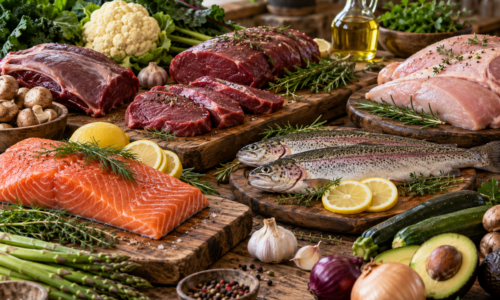
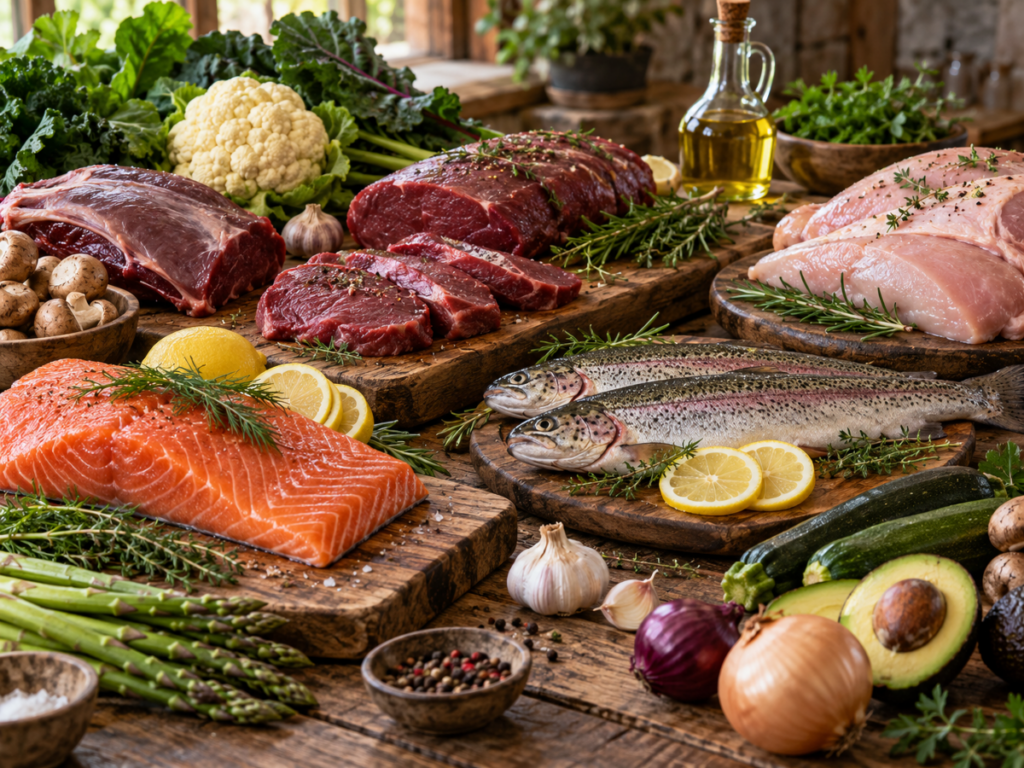
A low-lectin lifestyle usually directs the most attention toward plant foods, especially foods such as beans, certain grains, peanuts, and some seeds that can contain meaningful amounts of lectins unless they are prepared appropriately. Wild-caught fish and wild game sit in a very different part of the food picture. They are animal foods, so they are not major dietary sources of the plant lectins that people are generally trying to reduce when they experiment with low-lectin eating. Recent reviews of dietary lectins continue to focus primarily on lectins found in plant foods, while also noting that the health effects of dietary lectins are complex and depend on the specific lectin, dose, preparation method, and individual response.
That makes fish and game useful foods to consider, especially for people who want protein choices that do not require the same soaking, peeling, fermenting, sprouting, or pressure-cooking strategies often discussed with higher-lectin plant foods. Their value, however, does not come from being “wild” alone. Species, freshness, handling, contaminant exposure, cooking method, cost, access, and personal tolerance still matter.
Why Animal Protein Fits Easily Into a Low-Lectin Framework
Fish, venison, elk, rabbit, wild turkey, duck, and other game meats can all fit into a low-lectin eating pattern because the lectin question is relatively simple compared with many plant foods. A plain fillet of salmon or a piece of venison does not bring the same lectin considerations as a bowl of undercooked kidney beans or a wheat-based side dish. The practical work usually shifts away from lectin reduction and toward choosing a good source, preparing the food safely, and deciding what to serve with it.
This distinction can make meal planning easier. A piece of fish can be paired with leafy greens, cruciferous vegetables, mushrooms, peeled or deseeded vegetables when preferred, avocado, olive oil, herbs, or other foods that fit a person’s own low-lectin plan. Wild game can be used in the same way, whether it becomes a simple roast, burger, stew, meatball, or skillet meal.
The label “wild” should still be kept in perspective. Wild foods are not automatically more nutritious, safer, cleaner, or better tolerated than responsibly raised foods. They simply come with a different set of characteristics and tradeoffs.
Wild-Caught Fish Brings More Than Protein
Fish is particularly useful because it can provide high-quality protein along with nutrients that are harder to obtain in similar amounts from many other foods. FDA and EPA guidance notes that fish can supply EPA and DHA omega-3 fats, vitamin B12, vitamin D, selenium, iodine, iron, zinc, and choline, although the exact nutrient profile varies widely by species.
Fatty fish such as salmon, sardines, trout, herring, and some types of mackerel tend to provide more long-chain omega-3 fats than very lean white fish. Cod, haddock, pollock, flounder, and similar fish can still be excellent protein choices, but they play a somewhat different nutritional role because they generally contain less fat. That variety can be helpful in a long-term eating pattern because every meal does not need to be built around the same fish.
For someone following a low-lectin lifestyle, fish can also reduce the need to lean heavily on legumes or grain-based protein sources. That does not mean legumes or grains must be removed for everyone, but it gives people another route when they are trying to simplify meals while they observe their own tolerance.
Wild-Caught Does Not Automatically Mean Better Than Farmed
There is a common tendency to treat wild-caught fish as the premium choice and farmed fish as the compromise. The nutritional reality is more mixed. NOAA notes that both wild and farmed seafood can be nutritious, and omega-3 levels can vary according to species, environment, season, and feed. Some farmed fish can provide substantial amounts of EPA and DHA, while the nutrient content of wild fish can also vary from one catch to another.
Farmed fish feed may include ingredients such as soy, corn, wheat, peas, vegetable oils, fishmeal, fish oil, and other components depending on the species and producer. For low-lectin eating, that feed list should not be confused with eating those plant ingredients directly. Current discussions of dietary lectins focus on the lectins present in the foods people actually consume, and there is no established recommendation that people following a low-lectin diet need to avoid farmed fish solely because plant ingredients were used in the feed.
That leaves room for preference. Someone may still choose wild-caught salmon because they prefer its flavor, sourcing, fat profile, or fishing practices. Another person may choose farmed salmon because it is more affordable, consistently available, and still provides useful nutrition. The low-lectin framework does not require turning that choice into a purity test.
Mercury and Local Water Advisories Still Matter
Wild-caught fish can introduce a concern that has nothing to do with lectins: contaminants from the waters where the fish lived. Methylmercury accumulates in fish to different degrees, with larger, longer-lived predatory species tending to contain more. FDA and EPA classify salmon, sardines, shrimp, pollock, freshwater trout, and several other species among lower-mercury choices, while shark, swordfish, king mackerel, orange roughy, marlin, Gulf of Mexico tilefish, and bigeye tuna are among the highest-mercury choices in their guidance for pregnancy, breastfeeding, and children.
Fish caught personally or obtained from friends deserves another layer of attention. FDA recommends checking local fish and shellfish advisories because contamination can vary by lake, river, reservoir, and coastal area. Cooking does not remove mercury from fish because mercury is distributed through the tissue rather than sitting only on the surface.
This is a good example of why “wild” is not a complete health description. A freshly caught fish from a clean, well-managed body of water can be a wonderful food, while a fish from a contaminated area may call for limits even if it looks and tastes excellent.
Wild Game Can Be a Very Lean Protein Choice
Venison and other game meats often appeal to people who want less processed animal protein and more variety than beef, pork, and chicken. Research on deer meat commonly finds high protein levels with relatively low fat, along with useful amounts of minerals such as iron and zinc and vitamins including B12. The exact composition changes with species, season, age, diet, sex, and cut, so it is better to think of wild game as a category with variation rather than a single fixed nutrition profile.
That leanness affects cooking. A venison steak or elk roast can dry out faster than a heavily marbled beef cut, and ground game can become tough if it is cooked aggressively without enough moisture or added fat. Gentle braising, stewing, quick searing of appropriate cuts, or pairing lean ground meat with olive oil, avocado oil, or another preferred fat can improve texture without changing the low-lectin character of the meal.
Strong marinades are not required to make game meat work. Garlic, rosemary, thyme, sage, citrus, vinegar, olive oil, mushrooms, onions, and compatible vegetables can build plenty of flavor. This also keeps the meal focused on recognizable ingredients rather than bottled sauces that may contain soybean oil, corn syrup, wheat thickeners, or other ingredients a person is trying to limit.
Hunter-Harvested Game Requires More Attention to Handling
The biggest difference between supermarket meat and hunter-harvested game may be food safety rather than nutrition. USDA notes that wild game taken by hunters has not gone through the same federal or state inspection system as ordinary retail meat, so field dressing, chilling, transport, processing, and cooking deserve careful attention. Game should be chilled promptly, kept cold, and handled in ways that reduce bacterial contamination.
A thermometer is especially useful because color is not a reliable indicator of safety. USDA lists 145 degrees Fahrenheit as the safe minimum internal temperature for fish and shellfish, 160 degrees Fahrenheit for ground meats, and 165 degrees Fahrenheit for poultry. USDA’s guidance for venison roasts specifies 160 degrees Fahrenheit, while whole game birds should reach 165 degrees Fahrenheit.
Wild boar and some other game can also carry pathogens or parasites that make proper handling and cooking especially relevant. CDC notes that hunters can be exposed to brucellosis through infected wild animals, including feral swine, deer, elk, bison, caribou, and moose, particularly when handling tissues or eating meat that has not been properly cooked.
Chronic Wasting Disease Deserves Specific Attention
Deer, elk, and moose bring another issue that should be treated separately from ordinary foodborne illness. Chronic wasting disease, or CWD, is a prion disease found in cervids in a growing number of areas. As of January 2026, CDC reported CWD in wild deer in 36 U.S. states. No human cases have been confirmed, and it remains unknown whether CWD can infect people, but CDC recommends precautions because the possibility has not been ruled out.
Hunters in areas where CWD occurs should check state wildlife recommendations and strongly consider testing deer or elk before eating the meat. CDC advises against eating animals that test positive and recommends avoiding animals that appear sick or are found dead. It also recommends care when field dressing, especially around the brain and spinal tissues, and suggests individual processing when possible so meat from one animal is not mixed with another.
This is not a reason to treat all venison as unsafe. It is a reason to know where the animal came from and to use current local guidance instead of assuming that every hunting area carries the same risk.
Lead Ammunition Is Another Sourcing Question
Game taken with lead ammunition can contain small lead fragments that are difficult to see or remove completely. CDC advises limiting game meat such as deer harvested with lead ammunition, particularly in situations where lead exposure is a concern.
Hunters who want to reduce this issue can consider non-lead ammunition where appropriate and legal. For people receiving game from a friend, processor, or donation program, asking how the animal was harvested is a reasonable sourcing question, just as asking where a fish was caught can be useful when checking local contaminant advisories.
Building Low-Lectin Meals Around Fish and Game
The easiest way to use these foods is to keep the rest of the plate simple. Wild salmon with sautéed greens and cauliflower mash, trout with roasted asparagus and herbs, venison meatballs with mushrooms and zucchini noodles, or elk stew with onions, celery, carrots, and herbs can all fit comfortably into a low-lectin approach. The protein itself usually needs little modification; most of the decision-making happens in the sides, sauces, breading, marinades, and cooking fats.
That is also where individual tolerance can stay in the driver’s seat. One person may include pressure-cooked white rice, peeled squash, or a small serving of sourdough alongside fish, while another may prefer a stricter plate of protein and lower-lectin vegetables. Keeping the protein preparation straightforward makes it easier to notice whether a reaction is connected to the fish or game itself, the cooking fat, a seasoning blend, or something served beside it.
Wild-caught fish and wild game can add real variety to a low-lectin kitchen without making the diet more complicated. A freezer with a few portions of salmon, cod, trout, venison, or elk gives a cook several fast starting points, and those proteins can rotate through simple meals built around vegetables, herbs, good fats, and preparation methods that match personal tolerance. The most useful habit is to choose the species and source thoughtfully, handle it safely, and let the rest of the meal do the adapting.
