How Movement and Light Activity Improve Digestion and Inflammation
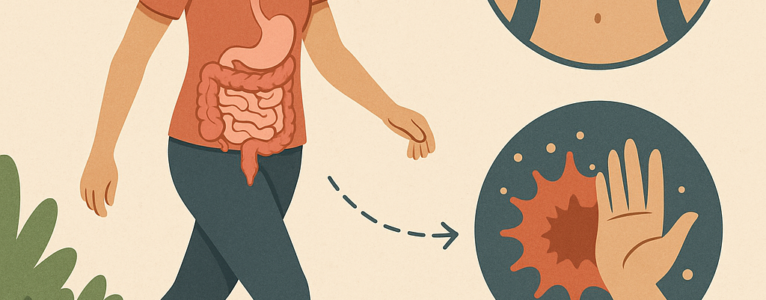
For most of human history, movement wasn’t something people “fit in” between desk work, errands, and nightly scrolling, it was simply part of being alive.


For most of human history, movement wasn’t something people “fit in” between desk work, errands, and nightly scrolling, it was simply part of being alive.
When people begin a low-lectin lifestyle, the first changes they notice tend to be the obvious ones. The shift toward pressure-cooked legumes, the hunt for better oils, the sudden awareness of just how many foods rely on wheat, corn, or nightshades.
A healthy gut doesn’t happen by accident. It’s the product of dozens of micro-choices like what you eat, how you move, how you handle stress, how well you sleep, and even how you time your meals.
When people first explore a low-lectin lifestyle, the spotlight naturally falls on food. Which ingredients are safe? Which require pressure cooking? What can be substituted?
Slow cookers have earned a cozy reputation. They promise convenience, comfort food, and the satisfaction of letting dinner quietly make itself while you tend to the rest of your day.
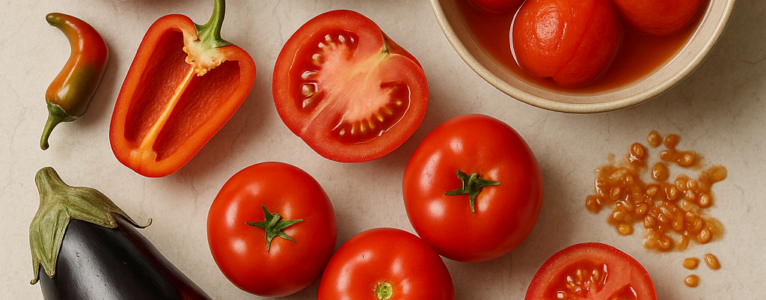
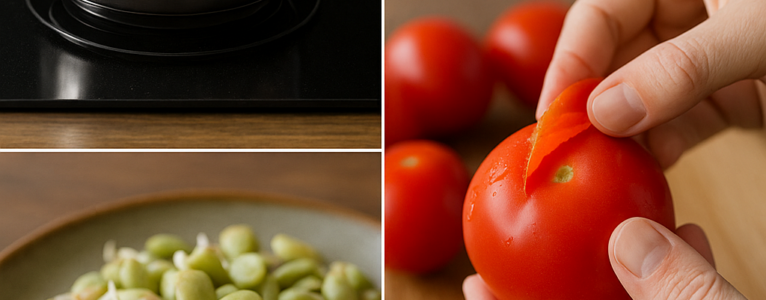
For most people, peeling a tomato or scooping seeds from a pepper feels like extra kitchen work or one of those fussy steps that old cookbooks recommend but modern cooking shows tend to skip.
A Practical Guide for Making High-Lectin Ingredients Gentler, More Digestible, and More Nutritious
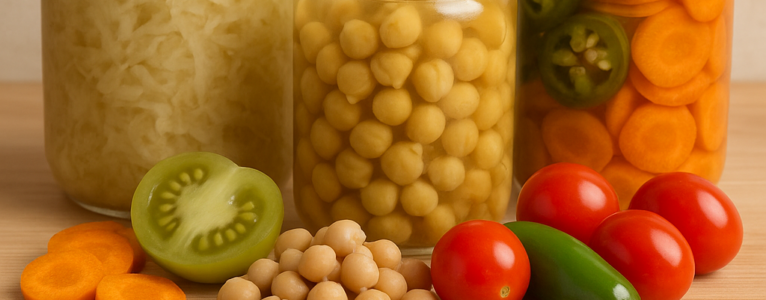
The first time you watch a jar of vegetables quietly bubble away on your counter, it’s hard not to feel like something ancient is waking up in your kitchen.
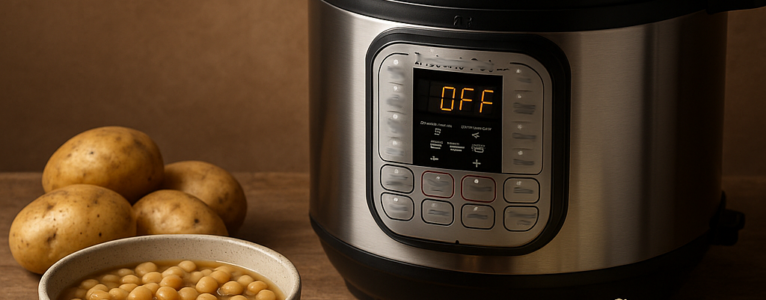
Pressure cooking has found its way back into modern kitchens, not simply for convenience, but for its powerful ability to transform foods that otherwise cause digestive distress.
Many people exploring a low-lectin lifestyle eventually run into an unexpected truth: the way you cook your food can dramatically change how your body responds to it.