Low-Lectin Almond-Crusted Chicken Strips: Golden Crunch Without the Gut Punch
There is something deeply nostalgic about chicken strips. For many of us, they represent comfort food at its simplest. Crispy coating. Tender center.


There is something deeply nostalgic about chicken strips. For many of us, they represent comfort food at its simplest. Crispy coating. Tender center.
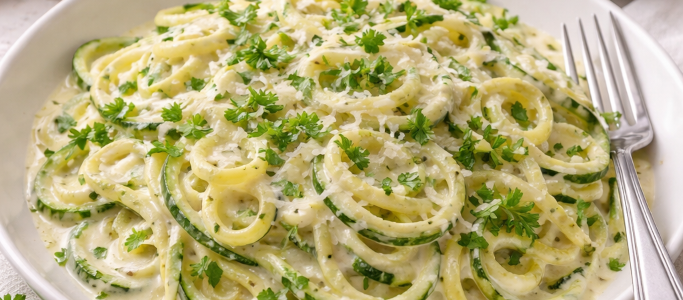
There is something deeply comforting about a bowl of Alfredo. The aroma of butter and cream, the silkiness of the sauce, the way it clings to pasta and turns a simple meal into something indulgent.
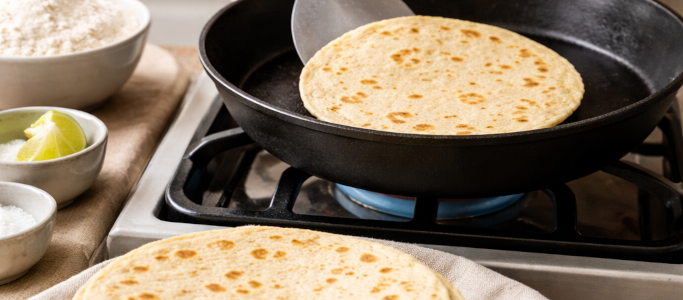
When most people begin exploring a low lectin lifestyle, they expect to give up obvious foods like beans or undercooked legumes. What surprises them is how often wheat quietly anchors their daily meals.
When most people first encounter the word lectin, they encounter it in extremes. Lectins are either portrayed as dangerous plant toxins that must be eliminated completely, or as harmless plant proteins that critics have unfairly demonized.
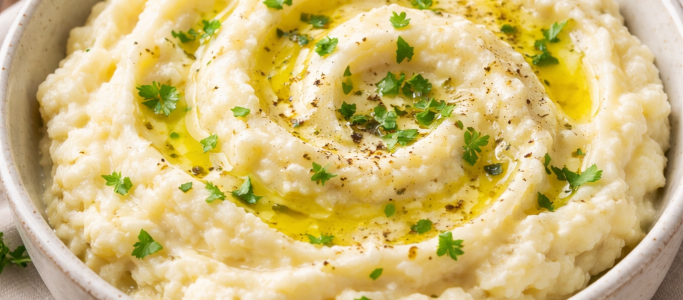
This is a low-lectin comfort food that aligns with modern nutrition science. There is something deeply reassuring about a bowl of mashed potatoes.
Protein powders are often marketed as clean, efficient nutrition. Scoop, shake, done. For athletes, busy parents, students, and anyone trying to simplify meals, they seem like an easy win.
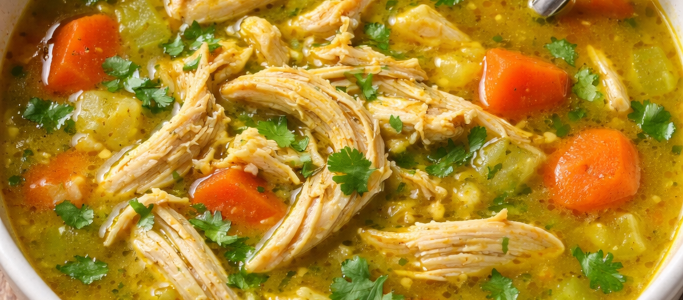
There are certain foods people return to instinctively when they feel run down, inflamed, or simply off. Soup is one of them.
Proteins are often talked about as if they are static things. A chicken breast is protein. A bean contains protein. Lectins are proteins. Enzymes are proteins.
When people first hear about lectins, they are usually introduced to them as dietary troublemakers. Lectins are often described as plant proteins that irritate the gut, disrupt digestion, or trigger inflammation.
When people begin exploring a low-lectin way of eating, their attention almost always goes straight to foods. Beans. Grains. Nightshades. Seeds. Preparation methods.