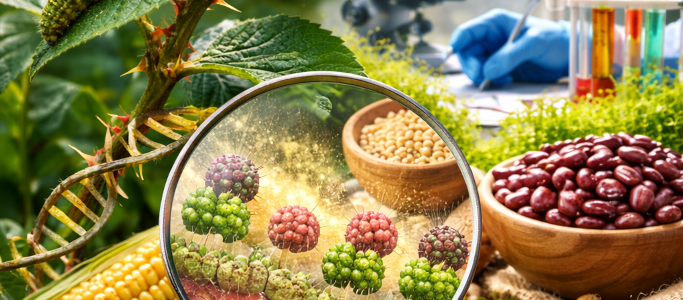
The Evolutionary Purpose of Lectins in Plants
For most of human history, food was not something that came shrink-wrapped with an ingredient label or delivered within minutes of tapping a screen.


For most of human history, food was not something that came shrink-wrapped with an ingredient label or delivered within minutes of tapping a screen.
Long before lectins became a buzzword in modern nutrition, people around the world were already developing ways to live with them.
Most people don’t ruin a low-lectin meal with a bad protein choice or a reckless side dish. They ruin it quietly, one spoonful at a time, with condiments.
For decades, cooking has been treated as the great equalizer of plant foods. Heat, we’re told, neutralizes harmful compounds, makes foods safer to eat, and improves digestibility.
Breakfast is often treated as a mechanical event. Eat something fast, get calories in, move on with the day.
There is something deeply reassuring about a clean label. A short ingredient list feels honest. Familiar words feel safe.
For anyone exploring a low-lectin way of eating, cooking methods quickly become more than a culinary preference.
Pizza is one of those foods that lives at the crossroads of culture, comfort, and convenience.
Long days have a way of exposing the weak points in our eating habits. Skipped meals turn into frantic snacking.
Lectins sit in an uncomfortable space between nutrition, immunology, and everyday lived experience.