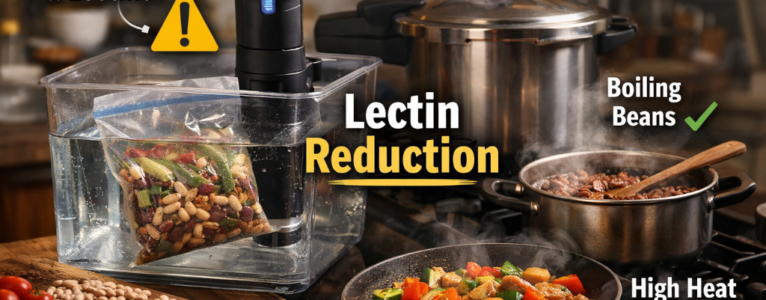
Why Sous-Vide Is Not Ideal for Lectin Reduction
Sous-vide cooking has earned a reputation as one of the most precise and gentle ways to prepare food.


Sous-vide cooking has earned a reputation as one of the most precise and gentle ways to prepare food.
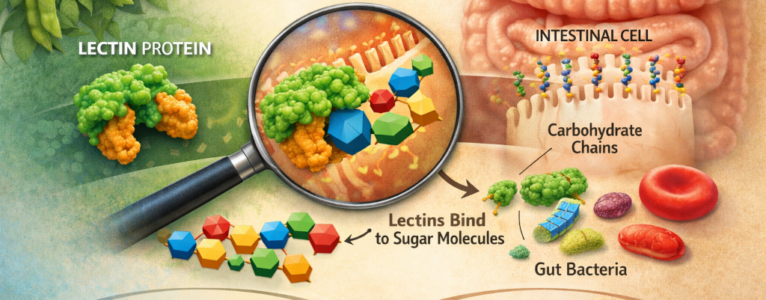
When people hear the word lectins, they usually think about human nutrition. Lectins are often discussed in the context of grains, legumes, and vegetables and how they interact with digestion and immune function.
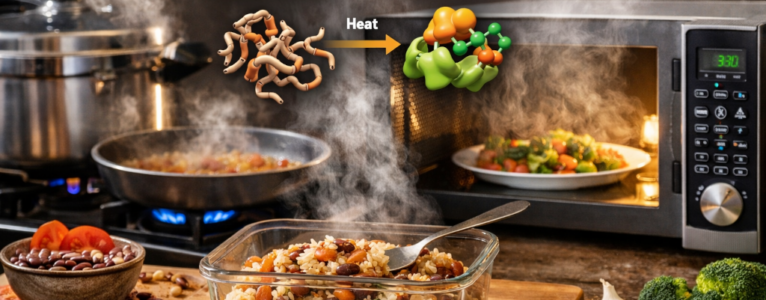
When people begin paying attention to lectins, cooking quickly becomes part of the conversation. It is not just what you eat, but how you prepare it.
When people first encounter the idea of lectins, the reaction is often confusion. These compounds are found in many foods that have been eaten for centuries.
One of the most persistent myths in nutrition is the idea that food safety, digestibility, and tolerance are mostly a function of how long something is cooked.
When people first encounter the topic of lectins, they are often told a simplified version of the story: lectins “stick to cells,” disrupt digestion, or irritate the gut lining.
One of the quiet assumptions most people make about food is that once it is cooked, it is “done.” The cooking step is treated as a finish line.
One of the most confusing moments for people exploring a low-lectin lifestyle comes when they do “everything right” and still feel wrong. The ingredients check out. The food is technically low-lectin.
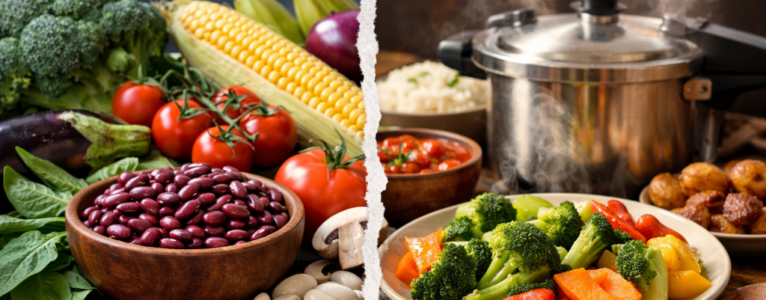
For decades, raw food has carried an almost untouchable reputation. Raw means natural. Raw means pure. Raw means healthy.
Most people think of digestion as something that happens only when food enters the body. Eat a meal, feel full, absorb nutrients, move on. But digestion is not a simple on-off process.