

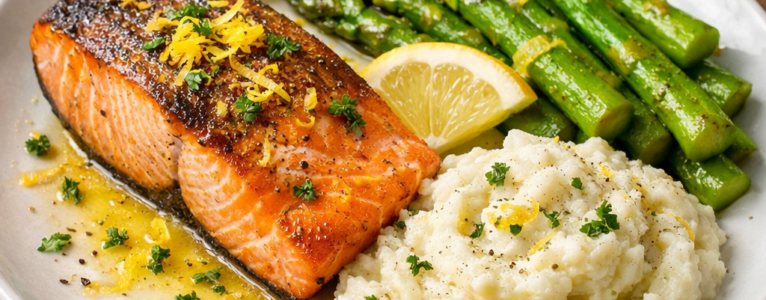
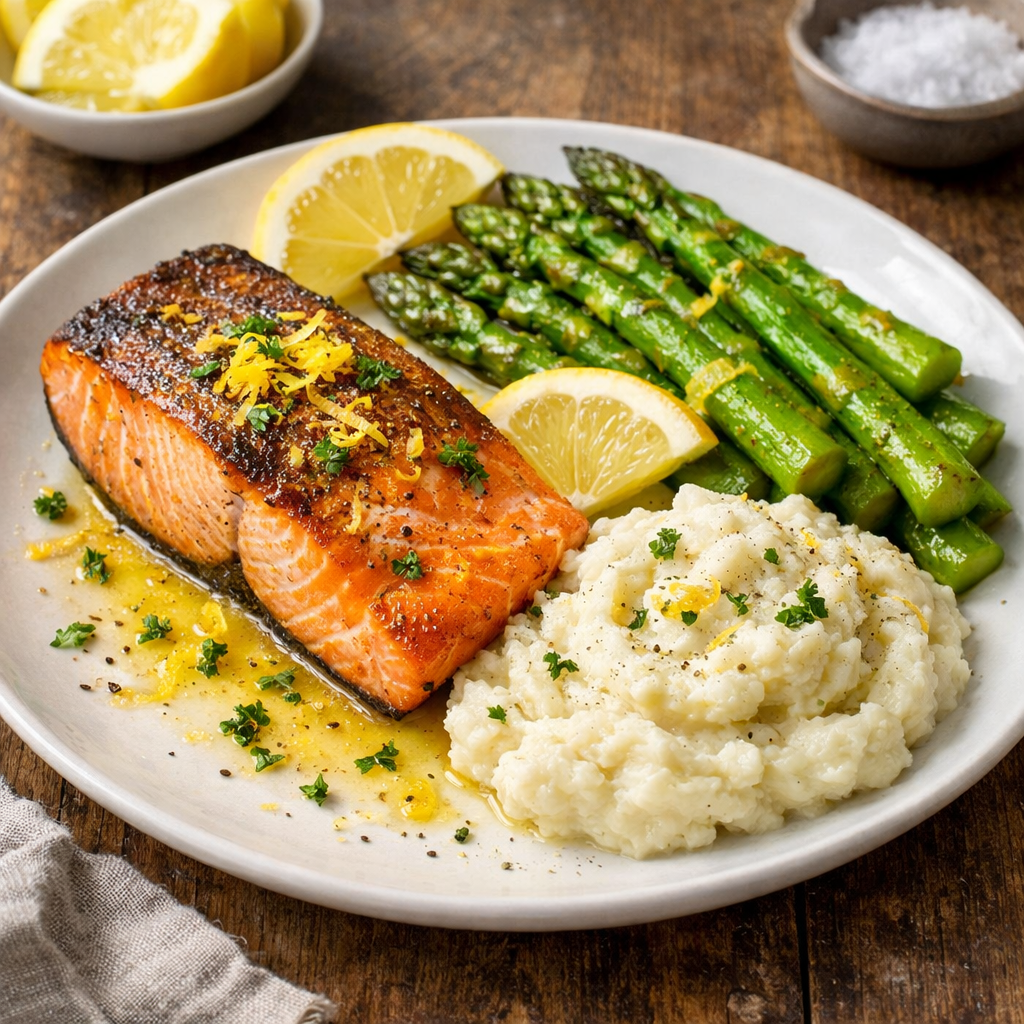
There is something grounding about a meal that feels both simple and intentional. When people begin exploring a low lectin lifestyle, they often expect complicated rules, rigid food charts, and endless substitutions. But the deeper you move into understanding how lectins interact with the body, the more you realize that clarity often leads back to simplicity.
Wild caught salmon with asparagus and lemon is one of those meals. It is not trendy. It is not extreme. It is not built around deprivation. Instead, it reflects a science informed approach to eating that respects how the body responds to proteins, plant compounds, fats, and cooking methods.
To understand why this meal fits so naturally into a low lectin framework, we need to step back and look at what lectins are, how they behave, and why preparation and food selection matter.
Understanding Lectins Without the Fear
Lectins are carbohydrate binding proteins found in many plants. They serve as part of a plant’s natural defense system against pests and predators. In the human body, lectins can bind to sugars on the surface of cells, particularly in the gut lining. This binding ability is what makes them biologically interesting.
Some lectins are relatively harmless in the amounts typically consumed, especially when properly cooked. Others, particularly those found in raw or undercooked legumes like kidney beans, can cause digestive distress. Modern research shows that most lectins are significantly reduced through soaking, fermenting, pressure cooking, or thorough heat exposure. Traditional food cultures often used these methods long before the molecular details were understood.
The conversation becomes more nuanced when we talk about individuals with gut permeability issues, autoimmune conditions, or heightened inflammatory responses. In those cases, lectin exposure may contribute to discomfort or symptom flares. Not because lectins are universally toxic, but because certain bodies respond differently depending on genetics, microbiome composition, and immune sensitivity.
A low lectin approach is not about demonizing plants. It is about reducing dietary stressors while supporting gut integrity, immune balance, and metabolic stability. That is where meals like wild caught salmon with asparagus and cauliflower mash come into focus.
Why Salmon Fits Naturally into a Low Lectin Lifestyle
Salmon, especially wild caught varieties, is naturally free of lectins. It is a clean source of complete protein and provides long chain omega 3 fatty acids, particularly EPA and DHA. These fatty acids are well studied for their role in supporting cardiovascular health, moderating inflammatory signaling, and contributing to brain function.
From a cellular perspective, omega 3 fats influence membrane fluidity and signaling pathways. They can help balance pro inflammatory mediators derived from omega 6 fats. For individuals who suspect that lectin sensitivity has contributed to chronic inflammation, supporting anti inflammatory pathways through diet becomes an important part of the strategy.
Wild caught salmon also tends to have a more favorable fatty acid profile compared to many farmed options. While both can be nutritious, wild sources often contain fewer environmental contaminants and a more natural diet based fatty acid composition.
When you pan sear salmon in a stable fat like avocado oil or ghee, you are combining protein with heat stable lipids that do not easily oxidize. That matters. Oils that break down under high heat can produce compounds that irritate the gut lining and increase oxidative stress. In a low lectin framework that prioritizes reducing inflammatory load, cooking fat choice is not trivial.
Asparagus and Cauliflower in Context
Vegetables are not the enemy in a low lectin lifestyle. The goal is thoughtful selection and preparation. Asparagus is generally considered low in problematic lectins. It is rich in fiber, folate, and antioxidants such as glutathione precursors. Light sautéing softens plant fibers and improves digestibility without destroying beneficial nutrients. Cooking also reduces certain plant defense compounds that might irritate sensitive digestive systems.
Cauliflower, often used as a substitute for higher lectin starches, belongs to the cruciferous vegetable family. It contains glucosinolates, which are studied for their potential role in supporting detoxification pathways. When steamed and mashed, cauliflower becomes a creamy, comforting base that mimics traditional starches without relying on grains or legumes that may pose issues for some individuals.
The key is preparation. Steaming until tender and blending with ghee or olive oil enhances both flavor and nutrient absorption. Fat soluble vitamins and phytonutrients are better absorbed in the presence of dietary fat. This is not about replacing foods out of fear. It is about shifting toward options that place less stress on the gut while still delivering nourishment.
The Role of Lemon and Digestive Support
The finishing touch in this dish is fresh lemon juice and zest. It may seem like a small detail, but it plays a meaningful role.
Lemon provides vitamin C and natural acids that can stimulate digestive secretions. For individuals with low stomach acid or sluggish digestion, a bit of acidity at the start or finish of a meal can support protein breakdown. While lemon does not contain lectins in problematic amounts, its polyphenols and flavonoids contribute antioxidant support.
Zest adds aromatic oils that enhance flavor perception. When meals taste vibrant and satisfying, people are less likely to feel deprived. That psychological component matters. Sustainable dietary change depends on enjoyment as much as biology.
Wild Caught Salmon with Asparagus and Lemon
Servings: 2
Ingredients
- 2 wild caught salmon fillets
- 1 tablespoon avocado oil or ghee
- 1 bunch asparagus, trimmed
- 1 medium head cauliflower, cut into florets
- 2 tablespoons ghee or extra virgin olive oil for mash
- 1 fresh lemon
- Sea salt to taste
- Freshly ground black pepper to taste
Instructions
- Prepare the cauliflower mash first. Steam the cauliflower florets until very tender, about 10 to 12 minutes. Transfer to a blender or food processor. Add 2 tablespoons ghee or olive oil, a squeeze of lemon juice, and a pinch of salt. Blend until smooth and creamy. Adjust seasoning as needed and keep warm.
- Heat a skillet over medium heat. Add avocado oil or ghee. Pat the salmon fillets dry and season both sides with sea salt and pepper.
- Place the salmon skin side down in the hot pan. Sear for about 4 to 5 minutes without moving it. Flip carefully and cook another 2 to 4 minutes, depending on thickness, until the center is just opaque and flakes easily with a fork.
- In a separate pan, lightly sauté the asparagus in a small amount of avocado oil or ghee over medium heat. Cook until bright green and just tender, about 5 to 7 minutes. Season lightly with salt.
- Plate the salmon alongside the asparagus and a generous scoop of cauliflower mash. Finish with fresh lemon juice and a sprinkle of lemon zest over the salmon and vegetables.
- Serve immediately.
The Science Behind the Simplicity
At first glance, this is just a clean plate of food. But under the surface, several principles of modern lectin research are quietly at work. First, the protein source avoids common high lectin plant categories such as legumes and certain grains. Second, the vegetables chosen are generally well tolerated and prepared in ways that enhance digestibility. Third, the cooking fats are stable under heat, reducing the formation of harmful oxidation products.
From a gut perspective, reducing potential irritants allows the intestinal lining to maintain tight junction integrity. Research into gut permeability, sometimes called leaky gut, suggests that chronic irritation can influence immune signaling. While lectins are not the sole cause of gut barrier disruption, minimizing dietary triggers may support recovery in sensitive individuals.
From an inflammatory standpoint, omega 3 rich salmon supports a shift toward less inflammatory eicosanoid production. Asparagus and cauliflower contribute fiber that feeds beneficial gut bacteria, which in turn produce short chain fatty acids like butyrate. Butyrate has been studied for its role in maintaining colon health and modulating immune responses. This synergy between protein, fat, and plant fiber creates a meal that feels light yet deeply nourishing.
Beyond the Plate
Living low lectin is not about eating salmon every night or eliminating every plant that contains a lectin molecule. It is about observing how your body responds and adjusting with intention. Some people tolerate properly prepared lentils without issue. Others notice bloating or joint stiffness after certain foods. Modern research increasingly supports the idea of personalized nutrition. Genetic differences, microbiome diversity, stress levels, and sleep quality all influence how we process food.
A meal like wild caught salmon with asparagus and lemon becomes a kind of baseline. It is nutrient dense, low in problematic lectins, and gentle on digestion. From that stable foundation, individuals can experiment thoughtfully with other foods and preparation methods.
The deeper message is empowerment. When you understand how lectins bind, how cooking alters plant compounds, and how fats influence inflammation, you move from confusion to clarity. Food becomes less about restriction and more about strategy.
A Sustainable Approach
What makes this dish powerful is not its novelty. It is its repeatability. It can be prepared on a busy weeknight. It can be served to guests without explanation. It can be modified with herbs, different cruciferous vegetables, or alternative low lectin sides. Simplicity is sustainable. And sustainability is what transforms a dietary experiment into a lifestyle.
Living low lectin does not require a biochemistry degree. It requires curiosity, observation, and a willingness to cook with intention. A pan, a fillet of wild caught salmon, fresh vegetables, and a bright squeeze of lemon are sometimes all you need to bring science and practicality together on one plate.
In the end, this is not just a recipe. It is a reflection of a broader philosophy. Respect the science. Respect your body. Prepare food in ways that reduce stress and enhance nourishment. And remember that sometimes the most powerful shifts begin with the simplest meals.