The Quiet Conversation Between Sleep and Digestion
Most people think of sleep and food as two separate pillars of health. You eat during the day. You sleep at night.

Most people think of sleep and food as two separate pillars of health. You eat during the day. You sleep at night.
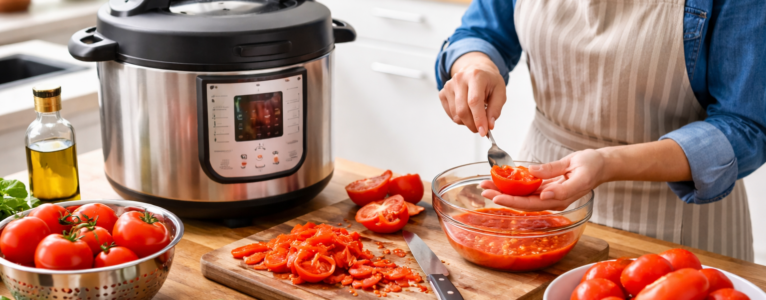
Tomatoes occupy a complicated place in many kitchens. They are central to sauces, soups, stews, and countless comfort foods, yet they also belong to the nightshade family, a group of plants often discussed in relation to lectins and digestive sensitivity.
Many people begin a low-lectin lifestyle because of obvious reactions. Bloating after meals. Joint stiffness the next morning. Brain fog that seems to drift in and out without warning.
Plants live in a world of constant pressure. Unlike animals, they cannot run from predators, swat away insects, or relocate when conditions turn hostile.
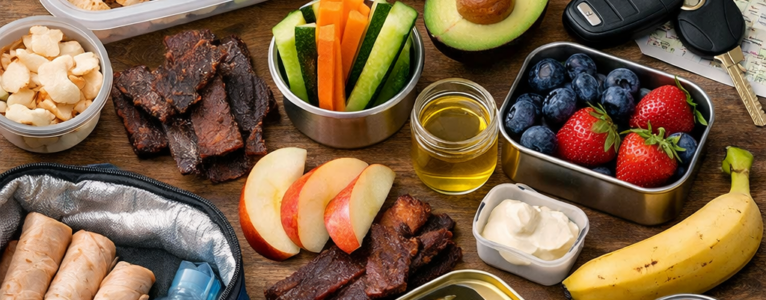
Busy schedules and time away from home are often where good intentions around eating begin to fray. When meetings run long, flights get delayed, or road trips stretch on, snacks tend to become an afterthought grabbed from whatever is closest.
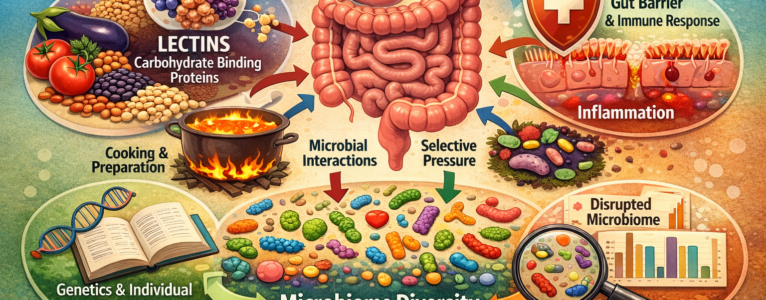
The human gut microbiome is one of the most complex ecosystems on the planet. Trillions of microorganisms coexist within the digestive tract, forming a dynamic community that influences digestion, immunity, metabolism, and even mood and cognition.
When people talk about lectins today, the conversation often centers on digestion, inflammation, or dietary tolerance. But long before lectins became a topic in human nutrition debates, they existed for a very different reason.
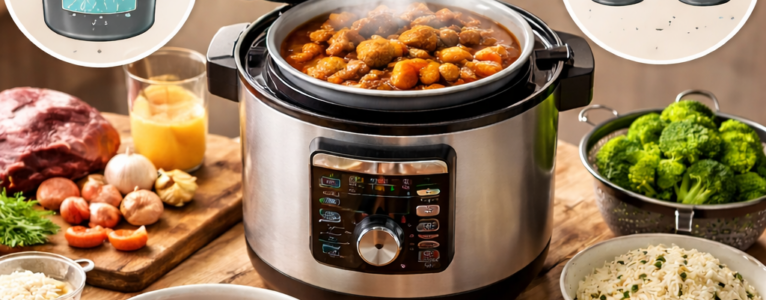
Pressure cooking often enters people’s kitchens with a mix of excitement and hesitation. On one hand, it promises faster meals, deeper flavors, and improved nutrient retention.
When your body reacts to food, it rarely sends a clear memo explaining why. Instead, it whispers through bloating, fatigue, joint stiffness, skin changes, headaches, or brain fog.
Low-lectin eating often begins with a surge of motivation. The food lists are printed. The pressure cooker moves to the front of the counter. Labels are scrutinized with care that borders on suspicion.