The Future of Lectin Research: What Scientists Are Exploring Next
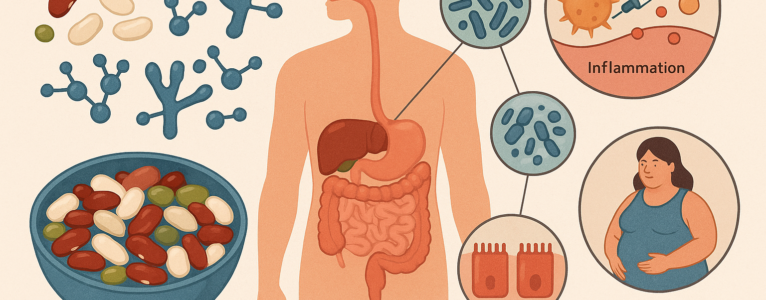
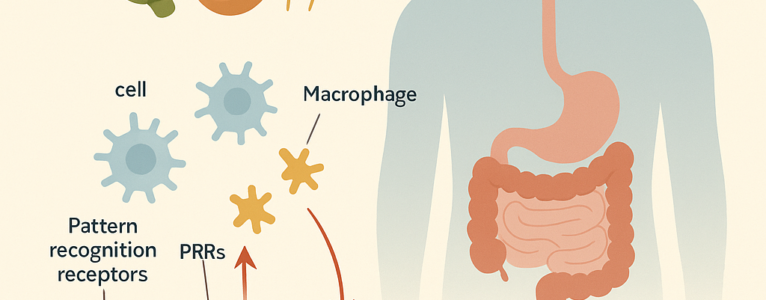
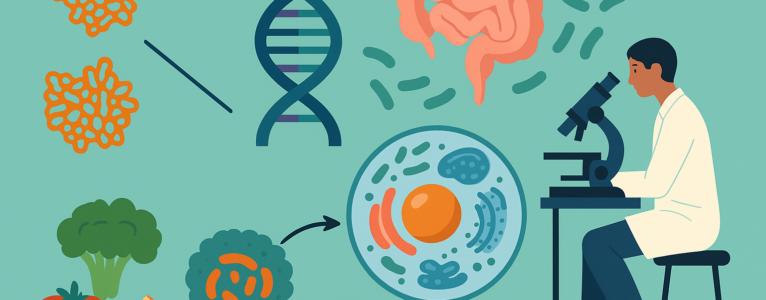
Lectins have always occupied a strange space in nutrition science that is fascinating, controversial, and often misunderstood.

Lectins have always occupied a strange space in nutrition science that is fascinating, controversial, and often misunderstood.
Transitioning into a low-lectin lifestyle rarely begins with a dramatic vow to overhaul your entire diet overnight.
For many people exploring low-lectin eating or simply trying to understand why their digestion, energy, or inflammation fluctuates, there comes a moment of confusion.
The first month of shifting into a low-lectin lifestyle is rarely a straight line. People often imagine that they will glide through the transition with steady improvement, predictable reactions, and cleanly defined milestones.
For anyone who has ever gone down the rabbit hole of gut health, the term lectins tends to appear with an almost mythical aura that is spoken of as invisible saboteurs hiding in ordinary foods, capable of wreaking havoc on the digestive lining
When people shift into a low-lectin lifestyle, they often expect the body to respond with relief of less bloating, smoother digestion, fewer flare-ups.
Every long-term lifestyle shift has its inflection points, the moments where excitement fades, progress slows, and doubts start creeping in.
Modern nutrition research often circles back to a handful of food components that seem to spark endless debate like sugar, seed oils, gluten, processed additives, and more recently, lectins.
Most of the time, eating is simple: you choose a food, you enjoy it, and your body breaks it down for fuel. But for many people struggling with digestive symptoms, chronic bloating, mysterious fatigue, or inflammatory flare-ups, food doesn’t always feel neutral or nourishing. It can feel unpredictable, sometimes …
Making any dietary shift can feel like stepping into unfamiliar territory, but moving away from high-lectin staples has its own emotional weight.