A History of Lectins in Human Diets: How Eating Habits Have Changed
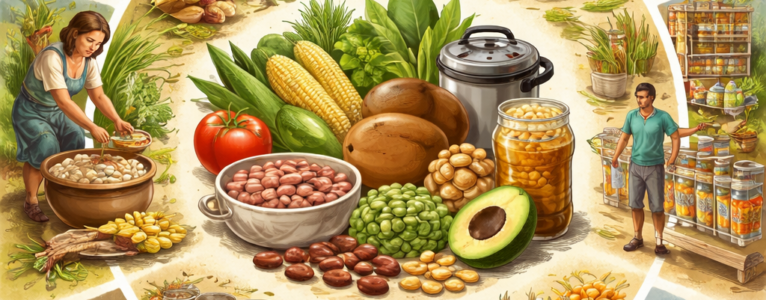
Long before lectins became a modern buzzword linked to gut health, inflammation, or elimination diets, they were quietly present in nearly every plant food humans touched.

Long before lectins became a modern buzzword linked to gut health, inflammation, or elimination diets, they were quietly present in nearly every plant food humans touched.
Eating out is often the first real test of a low-lectin lifestyle. At home, you control the ingredients, the preparation methods, and the portions. In restaurants, much of that control shifts into someone else’s hands.
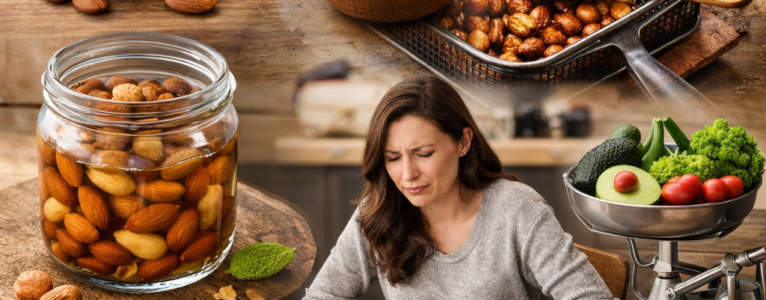
Nuts often sit in a strange nutritional gray area. They are widely praised for their healthy fats, minerals, and plant compounds, yet they are sometimes questioned by people who are sensitive to lectins or trying to reduce dietary irritants.
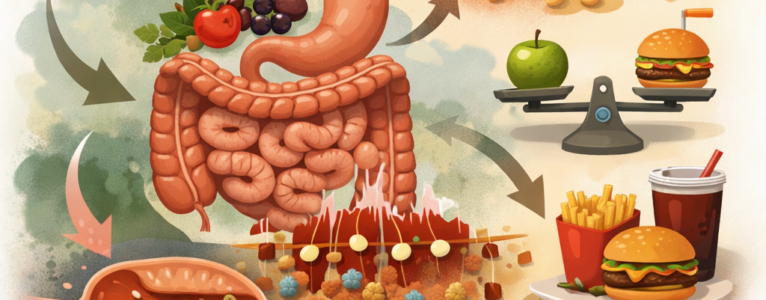
Digestive discomfort is often blamed on what we eat. Ingredients get scrutinized, food groups are eliminated, and preparation methods become central to the conversation.
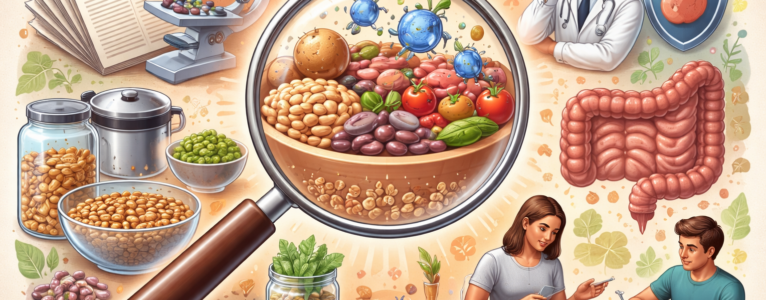
Lectins have gone from obscure biochemical footnotes to one of the most debated topics in modern nutrition. For decades, these plant proteins were discussed almost exclusively in academic journals…
For many people, the idea of eating healthy feels straightforward. Choose whole foods, favor plants, avoid excessive sugar and processed ingredients, and everything should fall into place.
For many people adopting a low-lectin lifestyle, the biggest surprise is not giving up obvious foods like beans or wheat. It is realizing how often lectins appear in places you never expected. Sauces, spice blends, protein bars, plant milks, supplements, and even foods marketed as “healthy” or “clean” can contain …
When people first shift toward low lectin eating, they usually focus on the obvious swaps. They rethink bread, beans, nightshades, and the usual “quick” staples.
Sprouting grains and legumes has been practiced for thousands of years, long before nutrition science had the tools to explain why it worked.
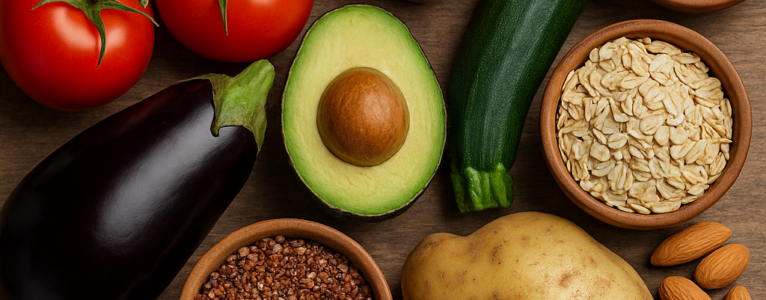
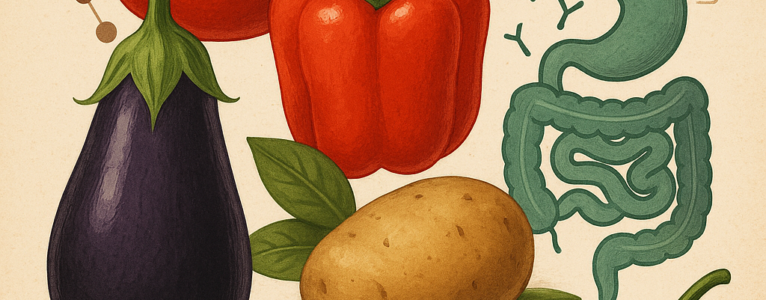
Nightshades are some of the most familiar and widely consumed foods in the modern diet. Tomatoes, potatoes, peppers, and eggplants appear across cuisines, cultures, and comfort foods alike.