Seared Scallops over Creamy Taro Root Puree
A plate of seared scallops over a smooth root vegetable puree has the kind of simplicity that makes each ingredient matter.

A plate of seared scallops over a smooth root vegetable puree has the kind of simplicity that makes each ingredient matter.
A good weeknight pork chop needs contrast.
A sheet pan dinner earns its place in regular meal rotation by doing several things well at once.
For people who pay attention to lectins, one of the most practical questions is also one of the hardest to answer: after eating a lectin-containing food, how long does that lectin remain in the body?
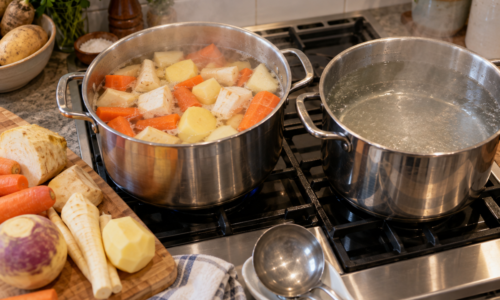
A pot of carrots, parsnips, potatoes, or other root vegetables usually seems simple enough. Add water, simmer until tender, drain, season, and serve.
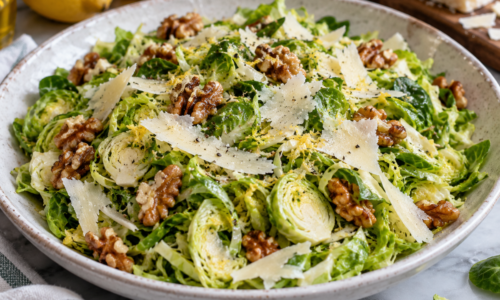
Brussels sprouts are usually associated with roasting pans, browned edges, and cool-weather dinners, but shaving them into thin ribbons changes the vegetable completely.
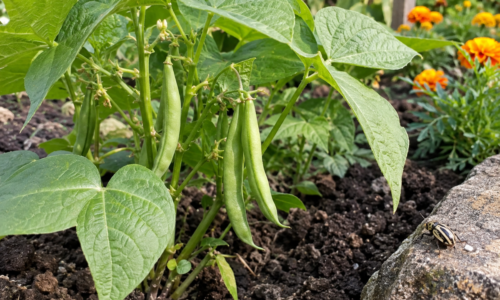
A leaf standing in a field is food to something. Beetles chew it, aphids tap into its sap, caterpillars strip away tissue, and larvae may spend their entire development feeding inside seeds.
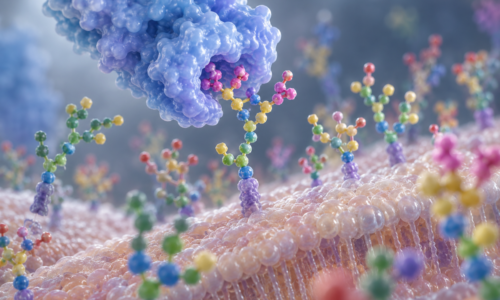
Lectins are often discussed as though they simply “stick to cells,” but that shorthand leaves out the part that makes these proteins biologically interesting.
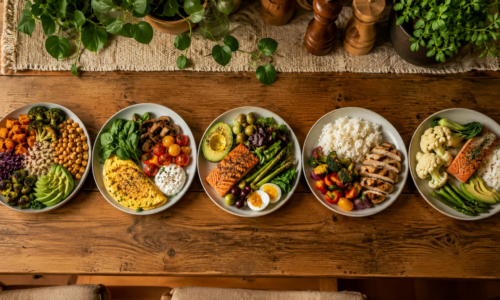
Five people can sit down at the same restaurant table, study the same menu, and be following five completely different sets of food rules.
A good waffle should make breakfast feel a little special without turning the morning into a baking project.
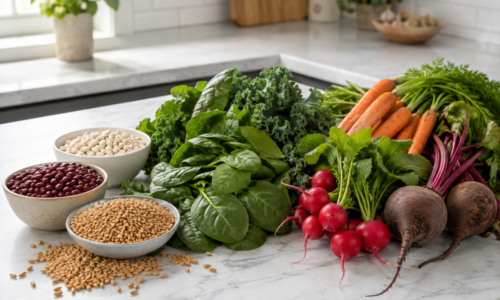
A kidney bean, a spinach leaf, and a carrot root may all come from plants, but the proteins inside them are distributed very differently.
Lectins are often discussed as though they were a single substance, but the word actually covers a large family of carbohydrate-binding proteins.
Plant proteins are often discussed as though their behavior in the digestive tract can be predicted by one simple property: whether they dissolve in water.
A good scone has a particular kind of balance.
Plant foods rarely contain only one compound that matters to digestion.