
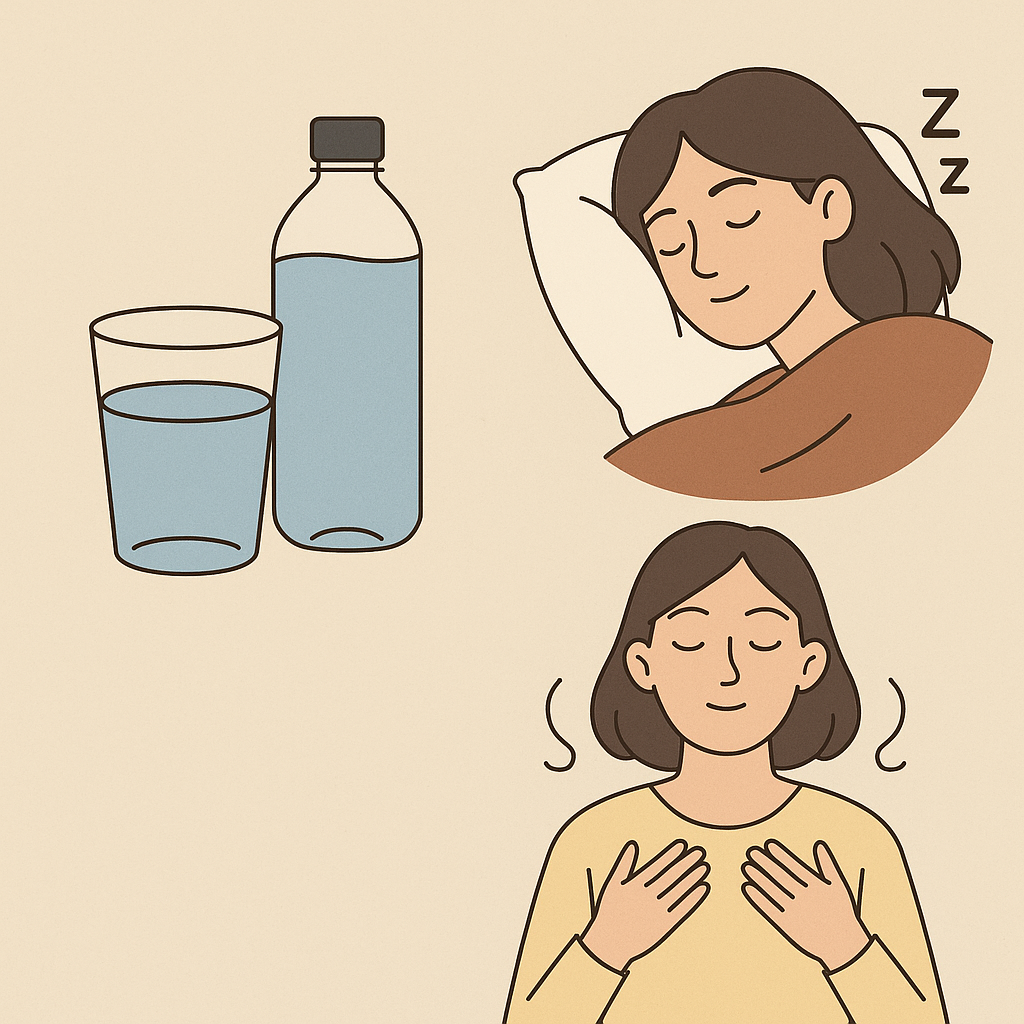
When people first explore a low-lectin lifestyle, the spotlight naturally falls on food. Which ingredients are safe? Which require pressure cooking? What can be substituted? And while understanding lectins is an essential part of creating a more comfortable, gut-friendly diet, the story doesn’t end with what’s on the plate. Real, sustainable improvement comes from looking at the health factors that quietly shape digestion, inflammation, and overall resilience like hydration, sleep, and stress.
These three pillars often work behind the scenes. They influence how efficiently your body absorbs nutrients, how well your immune system behaves, how your nerves fire, and even whether your gut lining repairs itself or continues to be irritated. When someone makes thoughtful dietary changes but still feels stuck, tired, or inflamed, these areas are usually where the missing pieces hide.
Understanding why hydration, sleep, and stress matter creates a richer, more complete picture of low-lectin living. They don’t replace dietary work. They amplify it. They create the conditions that allow the low-lectin approach to shine. Here is how each one makes a measurable difference in your daily wellbeing.
Hydration: The Unsung Hero of Gut Comfort and Inflammation Control
Most people know that hydration is essential, but few realize how deeply it affects lectin sensitivity and digestive function. Water is more than a lubricant. It’s a regulator. It affects stomach acid, enzyme production, cellular detoxification, and the movement of food through the gut.
Hydration Supports a Healthy Gut Barrier
Lectins interact most strongly with the lining of the gut. If that lining is dry, irritated, or inflamed, the interactions feel more intense. Adequate hydration helps maintain the mucus layer that protects intestinal cells from friction and irritation. This layer acts as a buffer, so when lectins from foods, especially plant foods that aren’t soaked, sprouted, or pressure cooked, enter the digestive tract, they’re less likely to cause bloating, discomfort, or irregularity.
Water Improves Digestive Flow
Hydration affects how smoothly food moves through the digestive system. Dehydration can slow motility, leading to constipation or a sluggish gut, which means lectins and fiber sit in the intestines longer than they’re supposed to. For individuals who already struggle with gut sensitivity, that extra time can intensify symptoms.
On the flip side, someone who drinks consistently throughout the day tends to experience more predictable bowel movements, gentler digestion, and fewer episodes of cramping or bloating.
Hydration Keeps Detoxification Running Efficiently
Inflammation produces byproducts that need to be eliminated. When someone reduces dietary lectins, their body often begins repairing tissues and lowering inflammatory load but this cleanup process depends on kidneys and liver having sufficient water to process waste. Inadequate hydration slows this system down, sometimes leading to headaches, fatigue, or general “blah” feelings that people mistakenly attribute to diet rather than dehydration.
Signs You May Need More Water
In a low-lectin lifestyle, dehydration can hide behind surprisingly subtle symptoms:
- Afternoon fatigue
- Difficulty concentrating
- Sticky or thick saliva
- Dull headaches
- Sluggish digestion
- Strong-smelling urine or dark yellow color
Most people don’t need extreme amounts of water, just consistency. A general guideline is to sip water throughout the day instead of gulping it all at once. Warm herbal teas, infused water, and broth-based beverages also count and can be more enjoyable if plain water gets boring.
Hydration isn’t about perfection. It’s about supporting your body so the rest of your health work can fall into place.
Sleep: The Overnight Reset That Makes Dietary Changes Actually Work
When someone talks about healing the gut, they often think of foods first. But the truth is: the gut repairs itself mostly at night. If sleep is inconsistent, shallow, or too short, the entire system takes a hit regardless of how carefully someone cooks their meals.
Deep Sleep is When Your Gut Rebuilds
During deep sleep, the body enters a restorative mode. Hormones shift, inflammation naturally decreases, and tissues, including the lining of the intestines, begin to repair. Poor sleep disrupts this cycle and leaves the gut more reactive, making lectins feel “stronger” than they otherwise would.
Chronic lack of sleep can also weaken tight junctions in the intestinal wall, contributing to sensitivity and bloating. It doesn’t create lectins but it can make you feel them more intensely.
Sleep Regulates Appetite and Cravings
People who don’t sleep well tend to experience:
- Increased hunger the next day
- Stronger cravings for fast-carb foods
- Poor judgment around meals
This isn’t a lack of willpower, it’s biology. Hormones like ghrelin (hunger) and leptin (fullness) become unbalanced. Even on a low-lectin diet, you may find yourself reaching for foods that don’t help you feel your best simply because your brain is trying to compensate for fatigue.
Sleep Helps Balance the Immune System
Lectin sensitivity involves an immune component. When your immune system is exhausted from lack of sleep, it becomes more reactive. Foods that used to feel fine may begin to cause bloating or discomfort. Conversely, a well-rested immune system becomes less jumpy, less inflamed, and better able to handle normal dietary stressors.
Tips for Improving Sleep Without Overhauling Your Life
- Set consistent sleep and wake times, even on weekends.
- Keep your bedroom cool and dim.
- Avoid heavy meals right before bed.
- Limit stimulating content, screens, or intense conversation an hour before sleep.
- Add a calming ritual: herbal tea, warm shower, breathing exercise, or journaling.
Small improvements in sleep can create shockingly big improvements in digestion.
Stress: The Hidden Amplifier of Gut Issues and Lectin Sensitivity
Stress is often underestimated because it’s so familiar. We live with it, work through it, adapt to it but our bodies never truly get used to it. Chronic stress changes digestion, nerve signaling, and immune behavior, all of which directly influence how we experience lectins.
Stress Changes How the Gut Moves
When you’re stressed, digestion slows down or speeds up unpredictably. Some people experience constipation; others experience looser, more urgent bowel movements. This inconsistency can make lectin-rich meals feel heavier or more irritating.
Stress also reduces stomach acid, which is critical for breaking down proteins, including lectin-containing ones, effectively. Low stomach acid can leave foods partially digested, contributing to bloating and discomfort.
Stress Raises Inflammation Levels
Lectins aren’t the only thing that can irritate the gut. Stress hormones themselves, especially cortisol, can increase inflammation. When the body remains in a stressed state for too long, the inflammatory baseline rises. This makes previously manageable lectin amounts feel overwhelming.
Stress Weakens the Gut Barrier
Just like poor sleep, high stress reduces the integrity of the gut lining. Over time, the protective mucus barrier thins, and intestinal cells become more vulnerable. People often misinterpret this as “food sensitivity,” when the real problem is the stress environment the food is entering.
Managing Stress Doesn’t Require a Yoga Retreat
Stress management can be surprisingly simple if approached consistently:
- Slow, intentional breathing for 1–2 minutes
- Light stretching or walking
- Listening to relaxing music
- Writing feelings or stressors down
- Setting boundaries with overwhelming situations
- Practicing brief moments of mindfulness throughout the day
Even small practices can shift the nervous system out of “fight-or-flight” and back into “rest-and-digest,” where healing occurs.
How Hydration, Sleep, and Stress Interact With Each Other
These three factors don’t exist in isolation. They influence each other constantly.
- Poor sleep increases stress.
- High stress decreases hydration by altering thirst perception.
- Dehydration worsens sleep.
- Low hydration increases stress hormones.
- Stress disrupts sleep cycles and fluid balance.
- Good hydration supports deeper sleep.
When one pillar weakens, the others start to wobble. But the opposite is also true: supporting just one of them can create a positive ripple effect. For example, improving sleep often reduces stress automatically. Increasing hydration can improve mental clarity, which helps you cope better with daily challenges. Lowering stress improves digestion, which improves nutrient absorption, which boosts energy, all feeding back into better sleep.
This interconnectedness is why a low-lectin lifestyle works best when paired with these supportive habits. Diet is a tool. Hydration, sleep, and stress are the environment that determines how well that tool works.
Why These Factors Matter Specifically for Low-Lectin Living
A low-lectin lifestyle is about reducing irritants while maximizing gut comfort and metabolic health. Hydration, sleep, and stress all influence how strongly the body reacts to lectins and how effectively it recovers from them.
They Influence Inflammation Levels – Lectins can contribute to inflammation when gut integrity is compromised. Hydrated tissues, good sleep, and low stress help maintain a more stable inflammatory baseline.
They Improve Gut Motility and Comfort – A well-hydrated, well-rested, and calmer digestive system moves food smoothly and processes lectins more efficiently.
They Support Immune Balance – A calm immune system is less likely to overreact to lectins or other compounds in food.
They Boost Energy and Mental Clarity – Many people begin a low-lectin diet to feel better overall. Without attending to hydration, sleep, and stress, they may find themselves stuck in cycles of fatigue or inconsistent improvement.
Diet alone can’t do all the heavy lifting. These pillars fill in the gaps.
Bringing It All Together: A Holistic Approach to Low-Lectin Well-Being
Hydration, sleep, and stress aren’t side notes. They are central players in how a low-lectin lifestyle feels day-to-day. They shape digestion, immune behavior, inflammation, energy levels, cravings, and even motivation to stay consistent with healthy habits.
A helpful way to think of it is this:
- Hydration keeps things moving.
- Sleep repairs what needs healing.
- Stress determines how gently or harshly your body reacts to challenges.
By paying attention to these areas, you can create a supportive foundation that magnifies the benefits of reducing lectins in your diet.
You don’t have to perfect everything at once. Small, steady changes like an extra glass of water, a calmer bedtime, a minute of breathing before meals, can transform the way your body responds to food. And over time, these habits become just as natural as choosing gut-friendly ingredients.
Low-lectin living isn’t only about what you remove. It’s just as much about what you build: resilience, calm, clarity, and a body that feels supported rather than overwhelmed. When hydration, sleep, and stress are in balance, the entire lifestyle becomes easier, more intuitive, more sustainable, and far more rewarding.