
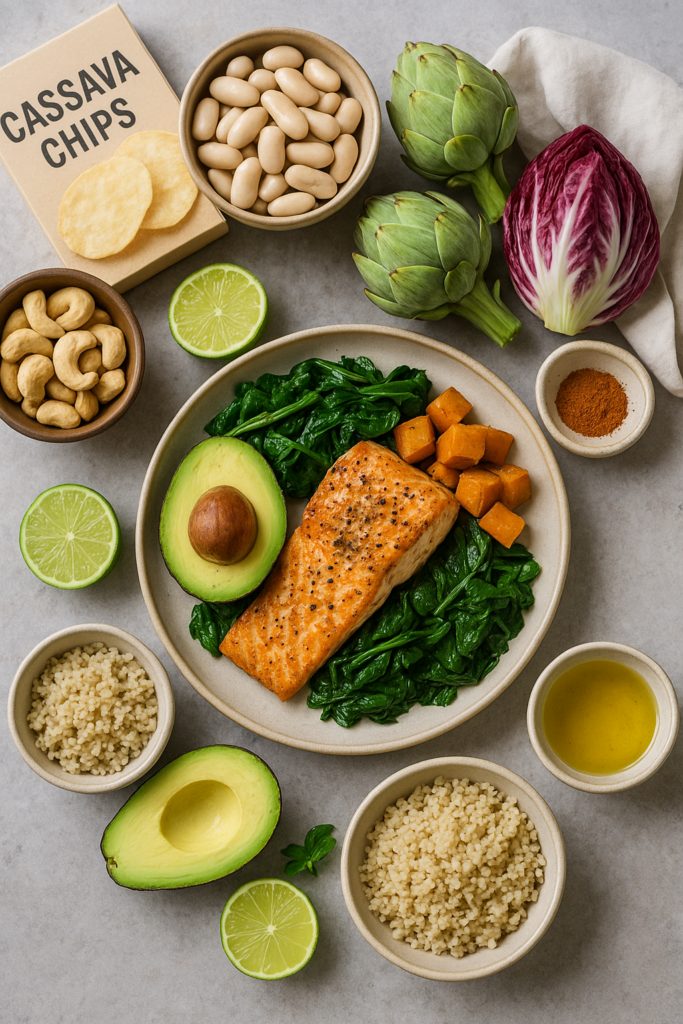
Every long-term lifestyle shift has its inflection points, the moments where excitement fades, progress slows, and doubts start creeping in. A low-lectin way of eating is no exception. In the early weeks, people often feel motivated by less bloating, steadier energy, or clearer digestion. Meals feel novel and intentional. You might even catch yourself thinking, “I finally found something that works.”
And then comes the plateau.
It might look like persistent inflammation, lingering digestive trouble, weight that won’t budge, or simply a loss of that initial momentum. Whatever the form, plateaus are frustrating because they mimic failure, even though they’re usually a sign your body is recalibrating or that one or two hidden factors still need attention. The good news? These sticking points are not the end of the process. They’re invitations to refine, observe, and re-strategize.
This article dives into why plateaus happen, what they reveal about your current routine, and practical, sustainable adjustments to help you regain traction.
Understanding the Nature of Plateaus
Before troubleshooting, it helps to understand why plateaus happen in the first place. Biological systems, especially digestion, microbiome function, immune activity, and metabolic rhythm don’t operate on a clean, linear progression. Improvement tends to happen in waves. Sometimes your body needs several weeks of stability before it’s ready for another step forward.
A plateau doesn’t mean your low-lectin changes have stopped working. It means your body has temporarily reached a point where it needs something new: different foods, different habits, different stress loads, or simply more consistency.
Think of it like tuning a guitar. When one string falls slightly out of balance, the whole instrument feels off. But the solution isn’t to throw out the guitar, it’s to adjust the right string. Plateaus are those moments where one “string” in your routine needs checking.
Common Reasons Low-Lectin Plateaus Occur
1. Hidden Lectin Exposure Creates Micro-Setbacks
Even small exposures, like a handful of peanuts, a spoonful of chili, or nightshade-based spices, can create inflammation that destabilizes your gut progress. Sometimes these foods sneak in through restaurant meals, processed ingredients, or overlooked seasonings.
Signs this may be the issue:
- Random bloating after meals you believed were safe
- A return of joint soreness or skin irritation
- Changes in bowel patterns, especially constipation or rapid urgency
- Fatigue that feels disproportionate to your activity level
Why it causes a plateau:
Low-level inflammation interrupts healing. Even small but repetitive exposures can slow your microbiome’s ability to rebalance and calm immune activity.
2. Your Gut Needs More Time Than Your Mind Wants to Give
Many people expect rapid results, especially if their early changes felt dramatic. But deeper digestive healing, reduced intestinal permeability, and microbiome shifts often require several months, not weeks.
Plateaus caused by time often feel like:
- “I’m doing everything right, but nothing is changing anymore.”
- “I made progress at first, why did it stop?”
- “Maybe this isn’t working anymore.”
This isn’t failure. It’s physiology. Your body is working beneath the surface, even if symptoms haven’t caught up yet.
3. Over-Reliance on Low-Lectin “Safe Foods”
If your meals start revolving around the same three to five ingredients, your nutrient diversity drops. That can stall gut improvement because the microbiome thrives on variety, even within lectin-safe parameters.
Common monotony traps:
- Cassava chips or cassava tortillas every day
- Almond flour everything
- Heavy dairy dependence
- Repetitive vegetable selection
- Snacking on the same processed lectin-free products
Over time, limited diversity creates nutritional gaps that interfere with metabolism and immune resilience.
4. Too Much Pressure Cooking and Not Enough Other Techniques
Pressure cooking is powerful for reducing lectins, but relying on it exclusively can unintentionally overshadow other helpful practices like fermenting, roasting, or raw inclusion of certain foods. Balanced cooking methods support better enzyme function, nutrient absorption, and digestive resiliency.
5. Stress, Sleep, and Hydration Cancel Out Dietary Gains
This is the plateau nobody wants to consider, yet it affects progress more than any food does.
When stress hormones stay elevated or sleep quality dips, your immune system becomes more reactive, digestion slows, and inflammation rises, even with a perfectly curated plate.
People often say:
- “My stomach is a mess, but I didn’t change my diet.”
- “Why am I craving old foods again?”
- “How can I be so tired when I’m eating clean?”
Lifestyle stressors can mask or reverse dietary momentum, making plateaus feel mysterious when the culprit is actually non-food related.
6. You’re Not Eating Enough Total Calories
Especially in the early weeks of low-lectin eating, people unintentionally under-eat because their old go-to foods are no longer available. Hunger signals can flatten, and metabolic flexibility may still be rebuilding.
Low calories → slowed metabolism → plateau.
Signs:
- Cold hands and feet
- Afternoon energy crashes
- Irritability or brain fog
- Stubborn weight retention
Your body needs fuel to heal. A low-lectin diet is not designed to be low-calorie.
7. You’ve Outgrown “Beginner Mode” and Now Need Personalization
At first, general guidelines work well. Avoid certain foods, use certain cooking methods, add more gut-friendly nutrients. But after a few months, your body may need more targeted adjustments:
Examples of advanced tweaks include:
- lowering nut consumption for better omega balance
- identifying unnecessary seed oils or emulsifiers
- adjusting carb intake
- modifying meal timing
- reintroducing certain foods strategically
- rotating ingredients to support microbiome diversity
Plateaus often signal that you’re ready for the next level of refinement, not that you should abandon the process.
How to Troubleshoot a Low-Lectin Plateau
Below are structured, practical ways to re-energize your progress without turning your life upside down.
1. Re-Examine Your Ingredient List Quietly but Thoroughly
Take three days and log everything you eat, focusing especially on:
- sauces
- seasonings
- marinades
- restaurant items
- packaged snacks
- pre-made broths
- gluten-free alternatives
You’re looking for surprise guests: tomato paste, soy, wheat derivatives, pea protein, lentil flour, potato starch, nightshade spices, or unskinned nuts. Once you identify possible culprits, don’t overhaul everything at once. Remove one or two suspects at a time and watch how your body responds.
2. Add Back Variety Not More Limits
When stuck, most people instinctively restrict more foods. The better strategy is to add different low-lectin ingredients to wake up the digestive system.
Try:
- new cruciferous vegetables
- artichokes, fennel, or radicchio
- multiple leafy greens instead of just romaine
- different pressure-cooked legumes
- rotating flours (cassava → coconut → almond → plantain)
- fermented add-ons like sauerkraut or coconut yogurt
Variety nourishes your microbiome, which nourishes momentum.
3. Audit Your Cooking Methods
Plateaus may form when your cooking becomes too repetitive. Experimenting with technique can change nutrient availability and digestive behavior.
If you pressure cook frequently, add more:
- roasted vegetables
- sautéed greens
- fermented foods
- grilled meats
- raw options like arugula or avocado
If you rarely pressure cook, consider adding it strategically:
- Pressure-cook beans to reduce lectin load
- Pressure-cook tomato sauces before blending
- Pressure-cook potatoes to reduce resistant starch fluctuations
Small technique changes can create noticeable difference.
4. Prioritize Gut Recovery Foods for 7–14 Days
Think of this as a reset without deprivation. Focus on foods that soothe inflammation, support mucosal lining, and encourage microbial balance.
Include more:
- cooked greens
- pressure-cooked root vegetables
- avocado and olive oil
- wild-caught fish
- pastured eggs (if tolerated)
- homemade stocks (lectin-safe)
- fresh herbs for anti-inflammatory compounds
This short-term focus often restores momentum.
5. Reassess Your Meal Rhythm
Your body may be asking for a different meal timing structure:
- Are you skipping meals unintentionally?
- Are your meals too spaced out, increasing stress hormones?
- Are you grazing all day, burdening digestion?
Sometimes the simplest fix is returning to:
- three balanced meals per day
- with protein, leafy greens, and a stable source of resistant starch
This stabilizes blood sugar, inflammation, and digestive rhythm.
6. Sleep, Stress, and Hydration: The “Unseen” Plateau Creators
If progress has stopped despite clean eating, evaluate your recovery systems.
Ask yourself:
- Am I sleeping 7–9 hours consistently?
- Do I wake feeling rested or groggy?
- Am I drinking enough water with minerals?
- Has my stress load changed recently?
A low-lectin diet reduces digestive stress, but it cannot override chronic emotional or physical stress. Sometimes the plateau isn’t about food. It’s about life. Even a small improvement in hydration or sleep can jumpstart progress in surprising ways.
7. Track Without Overanalyzing
Use a lightweight tracking method for 7–10 days:
- your meals
- how you slept
- bowel movement quality
- mood and energy
- any symptoms
Look for simple correlations. Many plateaus break simply by noticing patterns you hadn’t recognized before.
8. Reintroduce Foods With Intention, Not Impulse
Sometimes plateaus occur because your routine has become too restrictive. The body needs diversity and not just reduction of lectins.
If you’re ready for reintroduction:
- choose one food
- try it twice in one week
- watch for subtle signs
- decide if it’s truly compatible
Reintroductions help move you from “plateau mode” to “personalization mode,” which is ultimately the purpose of a lifestyle, creating your own sustainable version.
9. Consider Whether You’re Undereating
Low appetite + new dietary boundaries can lead to calorie deficits that stall progress.
Try increasing:
- olive oil
- avocado
- root vegetables
- wild seafood
- pastured meats
A small increase in portions may be all you need.
When Plateaus Are Emotional, Not Physical
There’s a unique kind of plateau where the body is progressing but the mind is tired.
You may feel:
- bored with meal prep
- resentful of restrictions
- socially isolated
- nostalgic for old favorites
- overwhelmed by perfectionism
These emotional hurdles deserve just as much attention as food choices.
Strategies for emotional plateaus
- Create 3–5 “comfort meals” that are lectin-safe
- Give yourself a weekly convenience day (rotisserie chicken, pre-cut veggies, frozen cooked greens)
- Splurge on one or two high-quality condiments that elevate meals
- Try new recipes that feel indulgent but stay within your boundaries
- Join online communities or groups that share the same lifestyle
- Remind yourself that discipline and joy can coexist
Your relationship with your food is as important as the food itself.
Signs Your Plateau Is Actually Progress in Disguise
Sometimes your symptoms flatten not because you’ve stalled but because you’ve stabilized. That’s progress.
Look for:
- fewer extreme swings in digestion
- more predictable energy levels
- fewer headaches or mood crashes
- steady weight even without strict dieting
- reduced cravings
- calmer reactions to foods that used to create chaos
These are foundational improvements that may precede bigger breakthroughs.
When to Seek Guidance
A plateau lasting months despite consistent effort may benefit from additional support. This doesn’t mean your low-lectin lifestyle isn’t working. It means another factor, like hormones, thyroid function, chronic infections, or medication interactions, may be overlapping with your progress.
If you reach this point, consider it an important diagnostic clue, not a verdict.
Final Thoughts: Plateaus Are Milestones, Not Roadblocks
In every meaningful lifestyle change, plateaus serve as check-in points. They slow you down so you can notice what needs reinforcement, refinement, or renewal. They aren’t a dead-end. They’re part of the architecture of sustainable improvement.
When low-lectin eating gets hard, that’s your opportunity to build the skills that make this lifestyle durable long-term: listening to your body, experimenting without fear, and giving yourself permission to evolve.
If you treat plateaus not as failures but as turning points, you’ll move through them with confidence and often come out stronger on the other side.