
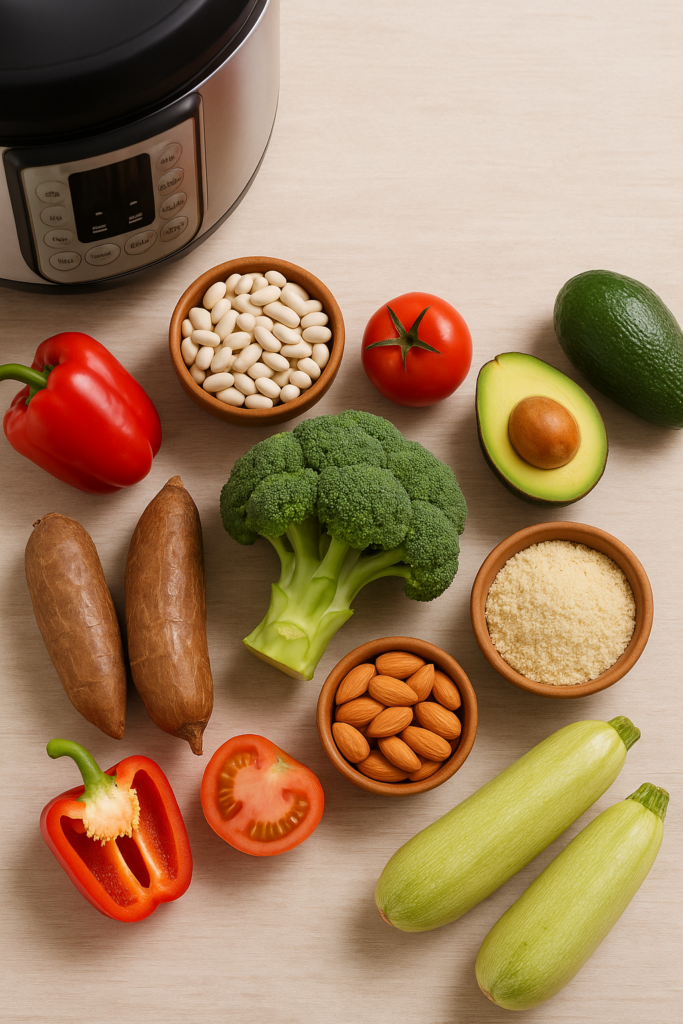
Transitioning into a low-lectin lifestyle rarely begins with a dramatic vow to overhaul your entire diet overnight. More often, it starts quietly, maybe after a period of unexplained bloating, nagging fatigue, or a desire to feel more in control of your health. You hear someone talk about lectins, then another person mentions beans or grains feeling “heavy,” and gradually the idea takes shape: maybe this is worth exploring.
This journey doesn’t demand perfection. What it does require is curiosity, patience, and a willingness to learn your body in a way you may not have paid attention to before. This roadmap is designed to guide you through those early steps so you can begin this change with clarity instead of confusion.
Understanding What You’re Actually Changing
One of the first misunderstandings beginners encounter is believing that a low-lectin lifestyle is simply a list of “bad” foods to avoid. But it isn’t rooted in fear. It’s rooted in strategy. Lectins are naturally occurring proteins in many plants. Some people digest them without incident; others experience irritation, inflammation, or digestive reactions when consuming them in large amounts or in less-processed forms.
The goal isn’t to eliminate entire food groups forever. Instead, the aim is to reduce or modify foods that may make your gut work harder than it needs to. That could mean peeling and deseeding vegetables you already enjoy, pressure cooking instead of slow cooking, choosing fermented versions of favorite ingredients, or swapping out a handful of common staples for easier-to-digest ones.
Once you understand that this is about improving digestion and lowering overall inflammation, not adopting an extreme or restrictive identity, the entire journey feels less intimidating and more empowering.
Beginning with Awareness Instead of Rules
You don’t need to start by tossing everything in your pantry. In fact, a harsh clean-out often backfires, creating resentment and a feeling of deprivation long before your body has a chance to adapt. A better starting point is simple observation.
Think about the foods that tend to leave you feeling heavy, bloated, foggy, or sluggish. For many beginners, the pattern becomes clear: large servings of beans, tomatoes, peppers, potatoes, grains, and certain nuts often correlate with the worst symptoms. Once you’ve identified these patterns, the roadmap becomes personal. You’re not “following a diet”; you’re learning the language of your own body.
This stage is gentle. No pressure, no perfection. Just noticing.
Small Swaps with Big Impact
Once awareness sets the stage, start with a few strategic changes and not a complete lifestyle makeover. Swapping ingredients is one of the easiest ways to ease into low-lectin eating without feeling like you’re giving up your favorite foods. Pressure-cooked legumes instead of simmered ones. Cassava or almond flour instead of wheat. Deseeded tomatoes or tomato paste instead of raw tomato slices.
These swaps have two psychological benefits: they allow you to keep familiar flavors while lowering digestive stress, and they create early wins that build momentum. Most people don’t need their food to be dramatically different. They just want to feel better after eating it.
As you continue making swaps, you’ll notice which changes move the needle most for your body. Sometimes it’s beans. Sometimes it’s peanuts. Sometimes it’s nightshades. Sometimes it’s several categories working together in ways you hadn’t noticed before. The key is not to force a predetermined path but to let the process unfold organically.
Why Cooking Methods Matter More Than You Think
One of the biggest surprises beginners experience is how much cooking methods influence lectin activity. Pressure cooking dramatically reduces lectins in beans, potatoes, and many legumes, making them more digestible compared to slow cookers or stovetop simmering. Roasting and sautéing can also improve digestibility, but slow cookers, despite their convenience, often don’t reach the temperatures needed to neutralize certain lectins.
This knowledge becomes a form of empowerment. Instead of feeling that foods are “off limits,” you discover ways to prepare them that make them work for your body rather than against it. A pressure cooker becomes more than a kitchen gadget, it’s a gateway into enjoying a wider variety of foods again.
Cooking methods also give beginners something worthwhile to experiment with. Trying a new way of preparing a familiar food feels creative instead of restrictive. It shifts the lifestyle from a list of “don’ts” into a space of possibility.
Managing Expectations in the First Few Weeks
The early phase of transitioning into a low-lectin lifestyle is often full of mixed signals from your body. Some people feel better within days; others experience a more layered process as the gut recalibrates. You might notice reduced bloating, fewer energy crashes, more stable digestion, or clearer thinking. Or you might have moments where your body is adjusting, releasing inflammation, or testing boundaries with foods you’re reintroducing too quickly.
The important thing to remember is that this is not a race. Your body has been responding to the foods you’ve eaten for years, sometimes decades. It deserves patience as it adapts to a gentler way of processing meals.
Many beginners find it helpful to keep a brief daily log: what they ate, how they felt, how digestion responded, and any symptoms that popped up. You don’t need elaborate charts, just honest notes. Over time, these notes become a map showing what nourishes you and what complicates things.
A Mindset Shift: From “Restriction” to “Discovery”
Diet culture has conditioned us to think that any structured eating pattern must be restrictive by nature. But a low-lectin lifestyle is less about restriction and more about identifying what helps your body feel balanced. Instead of asking, “What am I not allowed to eat?”, beginners eventually start asking, “What helps me feel my best?”
This shift is crucial. When you reframe the journey as a process of discovery rather than limitation, cravings lose their emotional charge. You stop thinking in terms of forbidden foods and start thinking in terms of what supports well-being, energy, clarity, and comfort.
This is where the low-lectin lifestyle becomes sustainable. You’re not forced to comply with a rigid set of instructions. You’re choosing habits because they reward you.
The Role of Reintroduction and Flexibility
After an initial adjustment period, often anywhere from a few weeks to a few months, many people begin experimenting with reintroducing certain foods. This step isn’t about testing your willpower; it’s about giving your gut a chance to communicate with a cleaner baseline.
Reintroducing foods slowly lets you confirm which ones genuinely cause reactions and which ones have been unfairly blamed. For some, tomatoes are fine once peeled and deseeded. Others can tolerate pressure-cooked beans but not chickpeas. Some find that a little sourdough bread works but conventional wheat does not.
This phase reminds you that your body is unique. The low-lectin lifestyle is less a universal rulebook and more a toolkit for understanding the foods that support your health.
Building a Daily Rhythm That Supports Gut Health
Food choices are only one part of the equation. Your body also relies on hydration, sleep, gentle movement, and stress regulation to maintain a balanced digestive system. Many people notice that once they begin improving their diet, they naturally become more aware of these other aspects of well-being.
Hydration helps digestion move smoothly. Light activity like walking, stretching, or even household tasks, supports circulation and reduces inflammation. Adequate sleep allows the gut to repair, reset, and restore its microbial balance. And reducing stress often eliminates tension-driven digestive symptoms that mimic food reactions.
Together, these daily habits reinforce the dietary changes you’re making, creating a more stable foundation for long-term success.
Creating a Sustainable, Personalized Low-Lectin Lifestyle
By the time you’ve integrated the basics like smart swaps, better cooking methods, food awareness, and supportive lifestyle habits, you’re no longer a beginner. You’ve created a sustainable rhythm. You know how your body responds to certain foods. You understand how to avoid common pitfalls without relying on rigid rules. You begin to notice that choices you once made out of necessity now come naturally.
A personalized low-lectin lifestyle doesn’t look identical from one person to the next. Some people thrive with a fairly strict approach. Others keep a flexible baseline and adjust depending on symptoms, stress levels, or travel plans. The beauty of this lifestyle is its adaptability. You build it around your life, not the other way around.
A Journey of Clarity, Not Perfection
Starting a low-lectin lifestyle isn’t about becoming the perfect eater or mastering every ingredient from day one. It’s about uncovering what supports your body, dialing down inflammation, and creating space to feel good again. The more you observe, the more empowered you become. And the more empowered you feel, the easier it is to continue.
This beginner’s roadmap is just the start. As you move forward, your relationship with food becomes clearer, calmer, and more intuitive. You learn to trust your body’s signals. You discover which choices give you energy and which ones hold you back. And slowly, you realize that the low-lectin lifestyle isn’t a set of rules, it’s a pathway to understanding yourself on a much deeper level.