For generations, soaking has been part of traditional food preparation. Long before home cooks ever heard the word lectin, people were soaking beans overnight, rinsing grains before cooking, and softening nuts in water until they loosened and swelled. These rituals were not just cultural habits. They were early, intuitive solutions to digestive discomforts and the mysterious reactions that certain foods tended to cause. Today, modern science allows us to look beneath these old practices and understand what is happening on a molecular level. When we soak lectin containing foods, we are influencing the proteins within them, the way they bind to carbohydrates, and the environment that allows them to remain active.
Soaking is often talked about in passing as if it is a casual step. You add water, let the food sit, and call it a day. But when examined more closely, soaking is a slow biological negotiation between proteins, enzymes, water molecules, and the dormant life cycle of the plant. It can reduce certain lectins, stimulate natural metabolic activity inside seeds and legumes, and prepare the food for cooking in a way that supports better digestion. The science behind this is still evolving, but several consistent themes are emerging in the research.
Why Plants Have Lectins in the First Place
Before understanding what soaking accomplishes, it helps to know why lectins are present in beans, legumes, seeds, and grains at all. Plants are not passive in their environments. They cannot fight or flee in the way animals can, so they rely on chemical defenses to protect their seeds. Many lectins are part of these defenses. They bind to carbohydrate structures on the surfaces of predators, pests, or microbial invaders. Some lectins disrupt digestion if seeds are eaten prematurely, encouraging animals to avoid them or to distribute them without fully breaking them down.
Lectins are especially concentrated in the outer layers of seeds, including the bran of grains and the seed coat of beans. These outer layers are designed to protect the embryonic plant. The lectins in these layers remain stable and active until the seed either germinates or encounters conditions that change its chemistry. Soaking is one of the first steps that can start this shift, and it has been used for generations as a way to soften these protective systems.
What Water Actually Does to Lectins
When you add water to dried beans, legumes, nuts, or grains, the water begins moving inward through tiny pores in the seed coat. At first, this swelling is just hydration. Water molecules are entering the outer layers and slowly making their way toward the interior. But as hydration continues, something more biologically interesting happens.
Water activates dormant enzymatic activity. Seeds are essentially paused organisms. They contain enzymes meant to support sprouting and early growth, but these enzymes are locked in an inactive state until moisture awakens them. Once a seed begins absorbing water, internal metabolism switches on. Enzymes begin reorganizing carbohydrates, breaking down certain antinutrients, and preparing the seed for germination.
Some of these enzymes interact with lectins. Lectins are proteins, and proteins are sensitive to environmental changes. As moisture increases, the structure of certain lectins becomes less stable. Their ability to bind to carbohydrates can weaken, and their concentration can be reduced as part of the seed’s natural transition from dormancy to the early sprouting phase. This is one reason soaking followed by sprouting can lead to even more dramatic reductions in lectin activity.
However, soaking alone does not neutralize every lectin. Some lectins, such as phytohemagglutinin in red kidney beans, are extremely robust and require boiling to be destroyed. But soaking still plays an essential role because it reduces cooking time, allows lectins to begin loosening from the seed structure, and promotes the early stages of enzymatic breakdown.
The Role of Leaching: How Lectins Move Into Water
When beans or grains are soaked, compounds inside them begin dissolving into the surrounding water. This includes some starches, certain minerals, oligosaccharides that cause digestive discomfort, and a portion of lectins.
The movement of lectins into the soaking water is part of a process called leaching. Leaching works because water seeks equilibrium. If a soluble compound exists in a concentrated form inside a seed, and the surrounding water has none of it, that compound migrates outward. Over several hours, this exchange continues, and the soaking water becomes increasingly cloudy with dissolved sugars, tannins, and proteins.
Discarding the soaking water is an important step. Keeping it would reintroduce the very compounds you are trying to reduce. This is one reason recipes that encourage cooking beans directly in their soaking liquid are not ideal when the goal is to minimize lectins or discomfort causing sugars.
The degree of leaching varies from food to food. Lentils tend to release fewer lectins than beans like chickpeas or kidney beans. Nuts and seeds release even smaller amounts because their outer layers are more hydrophobic. Still, leaching is part of the reason soaking is a helpful first step.
How Soaking Affects Lectin Structure
Lectins are not destroyed simply because they are placed in water. They are resilient proteins that evolved to withstand digestive enzymes. However, soaking begins a structural softening that makes them more vulnerable to heat.
Protein structure is held together by hydrogen bonds, ionic bonds, and hydrophobic interactions. When water infiltrates the seed, it interacts with these bonds. Some lectins begin to partially unfold, a process called denaturation. Partial denaturation does not neutralize lectins completely, but it primes them for destruction when the food is cooked at high temperatures.
Think of soaking as the first crack in a protective armor. The lectin is still present and still active, but it is no longer in its most rigid, defensive form. When the soaked bean is boiled for the proper amount of time, the remaining lectins collapse entirely. This combination of soaking plus heat is what traditional cooking practices are built around.
Soaking and Fermentation: A Synergistic Pair
In some cultures, soaking is combined with fermentation. The soaked food is left out longer, sometimes with added starter cultures, allowing beneficial bacteria and yeasts to multiply. These microbes produce enzymes that further break down proteins and carbohydrates.
Fermentation has been shown to reduce certain lectins significantly. Microbes can metabolize lectins or secrete enzymes that break them apart. This effect has been studied in foods like lentils, soybeans, and grains used in sourdough baking. When soaking alone is compared to soaking followed by fermentation, fermentation often produces a more dramatic change in lectin content.
Although fermentation is not necessary for lectin reduction in many common foods, it represents another layer of traditional practice that modern science is beginning to appreciate. The combination of hydration, natural enzymes from the seed itself, and microbial enzymes from fermentation can create a powerful transformation.
Why Some Lectins Remain Even After Soaking
Not all lectins respond equally to soaking. Some remain tightly bound to the seed coat and require high heat to be neutralized. Kidney bean lectins are a good example. They are dangerous in their raw state and cannot be made safe through soaking alone. Boiling for at least ten minutes is necessary to destroy them.
Other lectins are more responsive. Lentils, for example, contain lectins that lose activity more easily during soaking and cooking. The same is true for many nuts and certain grains. There is no universal rule across all foods because lectins vary in strength, molecular structure, and heat resistance.
What soaking does reliably is reduce the workload. It softens the seed structure, hydrates the proteins, removes some lectins through leaching, and prepares the remaining lectins to be dismantled during cooking.
The Importance of Time and Temperature
The duration of soaking matters. A quick rinse is not enough to trigger enzymatic activity or allow meaningful leaching. Most beans require eight to twelve hours of soaking to fully hydrate. Grains sometimes need less time, particularly if they are processed or cracked.
Temperature also influences how soaking works. Warmer water speeds hydration and enzyme activation, but it can also increase the risk of microbial growth if left too long. Cooler water slows everything down but still achieves the same structural softening if given enough time.
The key is consistency. A proper soak means allowing the water to penetrate deeply enough that the seed coat loosens and the internal chemistry begins to change.
Soaking as the First Part of a Multi Step Reduction Strategy
When people talk about lectin reduction, they often think of soaking as a complete solution. In reality, soaking is one part of a larger sequence. Traditional cooking combines soaking, discarding the water, boiling, and sometimes pressure cooking or fermenting. Each step layers additional changes onto the lectins.
Soaking reduces some lectins and hydrates the rest. Boiling destroys the majority that remain. Pressure cooking, for foods that require it, ensures the complete neutralization of stubborn lectins that survive gentler heat.
This multi step approach mirrors what people figured out long before they knew lectins existed. Food preparation methods evolved to make ingredients both digestible and nutritious. Today, science confirms that these methods work because they target the structural vulnerabilities of lectins.
What Soaking Does Not Do
Although soaking is very helpful, it is not a universal solution. There are a few limitations worth noting.
- It does not remove every lectin. Some are simply too strong and will remain until exposed to high temperatures.
- It does not replace proper cooking time. A soaked bean cooked too quickly can still contain active lectins.
- It does not guarantee uniform reduction. Some beans hydrate unevenly if they are old or improperly dried.
- It does not make raw foods safe. Raw legumes should never be consumed even if they are soaked thoroughly.
Understanding these limitations helps set realistic expectations. Soaking is valuable, but it is most effective when used in combination with heat.
The Bigger Picture: Why Soaking Still Matters Today
Even with modern kitchen appliances, soaking has not lost its purpose. People sometimes skip it because it feels inconvenient, but the science makes clear that soaking remains an important tool. It improves digestibility, reduces lectins and problematic sugars, and supports better outcomes during cooking.
More importantly, soaking reconnects us with the biological reality of seeds and legumes. These ingredients are alive in their own way, containing the machinery needed to sprout and grow. Soaking reawakens this machinery, and in doing so, changes the food from something defensive to something nourishing.
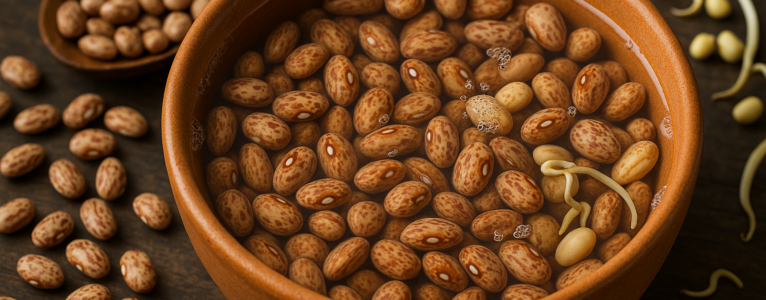
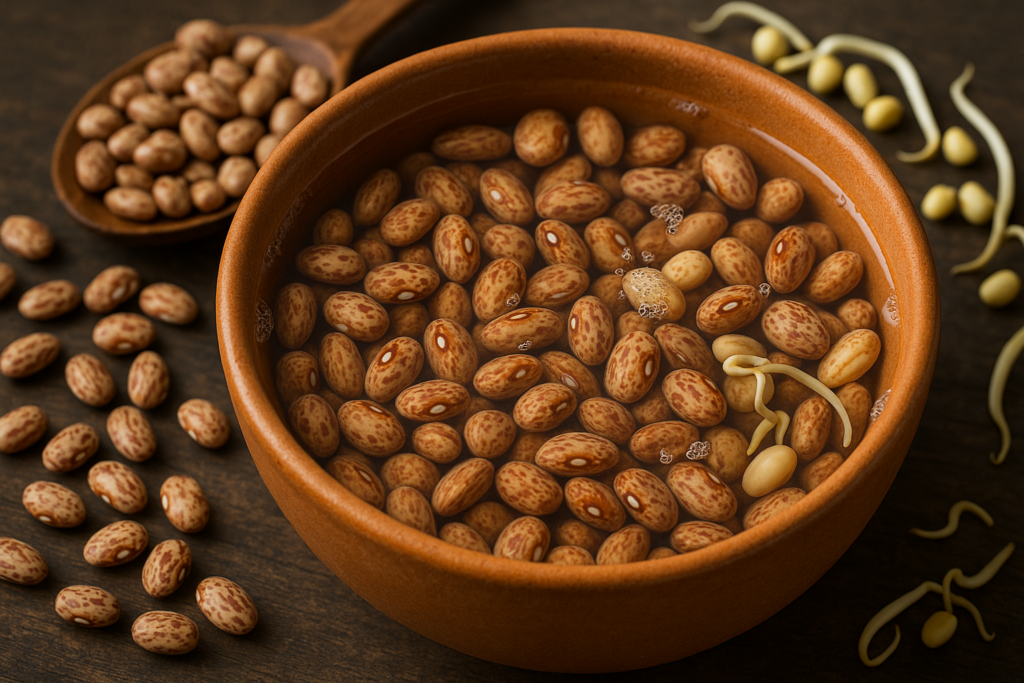
Soaking reminds us that food preparation is not just a technical process but a relationship with the natural chemistry of plants. The simple act of submerging beans in a bowl of water begins a transformation that makes them safer, softer, and easier to digest once cooked.
Conclusion
The science of soaking reveals that this old tradition is far more powerful than it seems at first glance. Water activates enzymes inside seeds, begins to weaken lectin structures, and allows some lectins to leach out entirely. Soaking prepares the food for heat, which is the final and most essential step in neutralizing the remaining lectins.
While soaking does not eliminate every lectin on its own, it serves as the foundational step in a larger process. Together with proper cooking methods, it supports safe, nutritious, and digestible meals. As research continues to evolve, soaking remains one of the clearest examples of how traditional wisdom intersects beautifully with modern science.