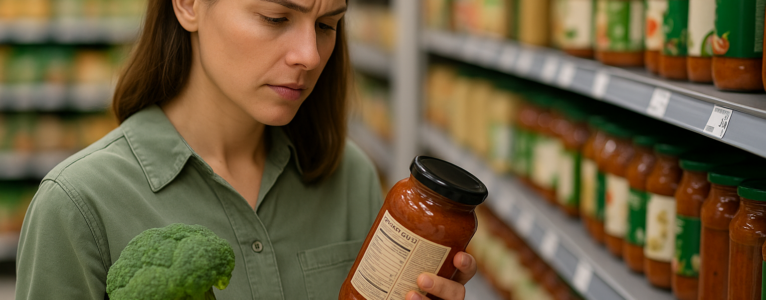
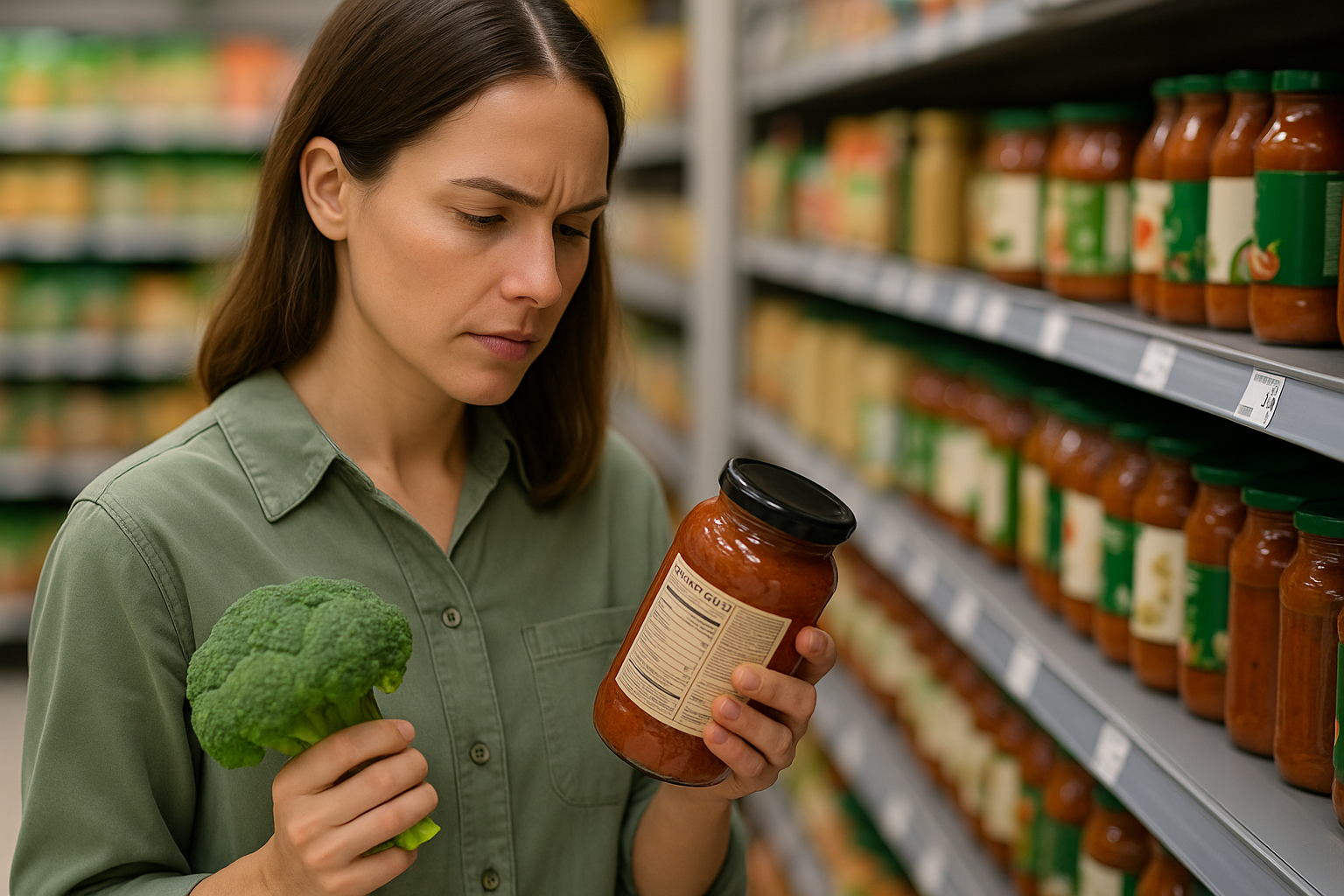
For many people adopting a low-lectin lifestyle, the biggest surprise is not giving up obvious foods like beans or wheat. It is realizing how often lectins appear in places you never expected. Sauces, spice blends, protein bars, plant milks, supplements, and even foods marketed as “healthy” or “clean” can contain lectin-rich ingredients tucked quietly into the fine print of an ingredient label.
Learning how to read labels is not about memorizing thousands of forbidden foods. It is about recognizing patterns. Once you understand how manufacturers structure ingredient lists and why certain components are added, hidden lectins become much easier to spot quickly. This skill reduces decision fatigue, saves time at the grocery store, and gives you more confidence in what you are actually eating.
This article walks through how ingredient labels work, why lectins often hide in processed foods, and how to train your eye to identify them fast without turning every shopping trip into a research project.
Why Lectins So Often Hide in Plain Sight
Lectins are not a single additive that companies list clearly on packaging. They are naturally occurring proteins found in many plants, especially grains, legumes, nightshades, seeds, and certain nuts. Because they are intrinsic to the ingredient itself, they appear indirectly under familiar names rather than as a standalone warning.
Food manufacturers also favor ingredients that improve texture, shelf life, flavor stability, or cost efficiency. Unfortunately, many of those functional ingredients come from high-lectin plant sources. Thickeners, emulsifiers, protein isolates, and starches frequently originate from legumes or grains, even when the final product does not resemble them at all.
This is why a tomato-free sauce can still cause symptoms in someone sensitive to nightshades, or why a gluten-free snack can still trigger digestive issues. The lectins are not always front and center. They are working quietly behind the scenes.
Understanding How Ingredient Lists Are Structured
Ingredient labels follow a specific rule that can work in your favor once you know it. Ingredients are listed in descending order by weight, meaning the first few items make up the bulk of the product. Trace ingredients appear later, often after salt or natural flavors.
For someone focused on lectin exposure, this structure helps prioritize attention. A high-lectin ingredient listed first or second is more concerning than the same ingredient appearing near the end. This does not mean trace amounts are harmless, but it allows you to triage quickly.
Another important detail is that compound ingredients can contain sub-ingredients. A label might list “vegetable protein” or “natural flavors,” which legally allows multiple components to be hidden within that single line. In some regions, allergen disclosures help reveal these sources, but lectins are not classified as allergens and therefore are not required to be highlighted.
Learning to recognize umbrella terms is one of the most valuable label-reading skills you can develop.
The Fastest Red Flags to Scan For
When time is limited, scanning for categories rather than specific foods is more effective. Certain ingredient families are far more likely to carry lectins than others.
Legume-derived ingredients are among the most common. Soy appears in many forms, including soy protein isolate, soy lecithin, textured vegetable protein, edamame flour, and soybean oil. While oils are typically low in lectins due to processing, proteins and flours are not. Pea protein, chickpea flour, lentil flour, and lupin are increasingly popular in plant-based foods and supplements.
Grain-based additives also appear frequently. Wheat is obvious, but less obvious forms include malt extract, barley enzymes, rice bran, oat fiber, corn starch, and modified food starch. Even gluten-free products may rely heavily on corn or rice components that still contain lectins.
Nightshade ingredients can be subtle as well. Paprika, chili powder, cayenne, potato starch, tomato powder, and red pepper extract are common additions to spice blends, snack foods, and sauces. These are rarely highlighted on the front label.
Seed-derived thickeners and stabilizers also deserve attention. Sunflower lecithin, guar gum, locust bean gum, xanthan gum, and carrageenan are not lectins themselves but are often derived from high-lectin plant families and can irritate sensitive digestive systems already struggling with lectin exposure.
Why “Healthy” Marketing Can Be Misleading
One of the most frustrating experiences for people new to low-lectin eating is discovering that products marketed as wholesome or natural often contain more hidden lectins than conventional alternatives.
Terms like plant-based, vegan, high-protein, whole grain, ancient grains, and heart-healthy are marketing tools, not physiological guarantees. In fact, many of these labels correlate with higher concentrations of legumes and grains, which are primary lectin sources.
Protein bars provide a clear example. To boost protein content without animal ingredients, manufacturers often rely on soy protein isolate, pea protein, brown rice protein, or blends of all three. From a macronutrient perspective, these products may look impressive. From a lectin perspective, they can be problematic.
Similarly, gluten-free does not mean lectin-free. Gluten is only one protein found in wheat. Removing it does not eliminate lectins from corn, rice, millet, or sorghum, which are commonly used as replacements.
Reading ingredient labels cuts through marketing language and brings the focus back to actual inputs.
Learning the Common Disguises of Lectin-Rich Ingredients
Hidden lectins often appear under names that sound technical or harmless. Recognizing these disguises makes label reading much faster over time.
Protein isolates and concentrates are a major category. Any time you see “protein isolate,” “protein concentrate,” or “vegetable protein,” it is worth checking the source. If the source is a legume or grain, lectins are likely present.
Flours and starches are another area where lectins hide. Chickpea flour, fava bean flour, lentil flour, potato starch, corn starch, and tapioca starch are frequently used to improve texture. Even when used in small amounts, they can be enough to cause symptoms for sensitive individuals.
Natural flavors is perhaps the vaguest term on a label. It can include extracts from grains, legumes, or nightshades without specifying them individually. While not every product containing natural flavors will cause issues, people in the early stages of lectin elimination often do better choosing foods with transparent ingredient lists.
Spice blends deserve special attention. A label might list “spices” without further clarification. This single word can legally represent paprika, chili powder, mustard seed, or other lectin-containing spices. When spices are not individually listed, uncertainty increases.
How Processing Changes but Does Not Eliminate Lectins
A common misconception is that processing always neutralizes lectins. While some preparation methods significantly reduce lectin activity, others do not.
High-heat cooking, pressure cooking, fermentation, and prolonged soaking can reduce lectins in certain foods. However, many industrial processes prioritize speed and consistency over lectin reduction. Milling grains into flour, isolating proteins, or creating starches often concentrates problematic components rather than removing them.
Extrusion, commonly used in cereals and snack foods, does not reliably destroy lectins. Neither does dehydration, freeze-drying, or light roasting. As a result, highly processed foods can sometimes deliver lectins in a more bioavailable form than whole foods.
This explains why someone may tolerate a pressure-cooked lentil dish prepared at home but react strongly to a packaged lentil-based snack. The context matters as much as the ingredient itself.
Using Short Ingredient Lists as a Shortcut
One of the simplest strategies for avoiding hidden lectins is choosing foods with short, recognizable ingredient lists. Fewer ingredients mean fewer places for lectins to hide.
Whole foods like fresh vegetables, fruits, meats, eggs, and simple dairy products rarely require labels at all. When buying packaged foods, look for items where every ingredient is familiar and easily identifiable.
This does not require perfection. It requires pattern recognition. Over time, you will notice that certain brands consistently rely on the same fillers and stabilizers, while others prioritize simplicity.
Short ingredient lists also make it easier to isolate triggers if symptoms occur. When a product contains twenty ingredients, pinpointing the problem becomes difficult. When it contains five, learning happens faster.
The Role of Personal Sensitivity and Context
Not everyone reacts to lectins in the same way. Some people are highly sensitive to trace amounts, while others tolerate moderate exposure without noticeable symptoms. This variability makes rigid rules less useful than informed experimentation.
Ingredient labels provide data, not verdicts. They allow you to make decisions based on your current goals, health status, and stage of the journey. Someone healing from chronic gut issues may need stricter avoidance early on. Someone further along may reintroduce certain ingredients strategically.
Context matters too. A small amount of a lectin-containing ingredient consumed occasionally is different from daily exposure. Label reading helps you control frequency and cumulative load rather than aiming for unrealistic elimination.
Training Your Eye Over Time
At first, reading ingredient labels can feel slow and overwhelming. Every unfamiliar word seems suspicious. Over time, the process becomes faster as your brain builds a mental map of common problem ingredients.
You will start to recognize patterns across product categories. You may notice that most salad dressings rely on soybean oil and xanthan gum, or that many dairy-free milks use pea protein and sunflower lecithin. Once these patterns are clear, entire shelves can be ruled in or out quickly.
This learning curve is temporary. The goal is not lifelong hypervigilance but informed efficiency. Eventually, you will know which brands you trust and which products require closer scrutiny.
Avoiding Label Paralysis While Shopping
It is easy to fall into a mindset where every ingredient feels threatening. This can lead to frustration, anxiety, and unnecessary restriction. Label reading should empower, not exhaust.
One way to avoid paralysis is setting priorities. Decide which categories matter most to you right now. For many people, sauces, snacks, and protein products are the biggest sources of hidden lectins. Focus there first and allow flexibility elsewhere.
Another helpful strategy is shopping with a default list. When you find products that work for you, stick with them until your needs change. Constant experimentation is not required for success.
Remember that no single meal determines health outcomes. Patterns over time matter more than isolated exposures.
Why Label Literacy Is a Long-Term Skill
Learning to spot hidden lectins is not just about avoiding discomfort. It builds broader food literacy. You become more aware of how foods are constructed, why certain ingredients are used, and how industrial food systems shape dietary choices.
This awareness often leads to better decisions beyond lectins. People who read labels tend to consume fewer ultra-processed foods, experience more stable energy levels, and feel more in control of their diets.
Label literacy also transfers easily to other dietary frameworks. Whether someone later focuses on blood sugar control, autoimmune support, or allergen avoidance, the same skills apply.
In this sense, learning to read ingredient labels is not a temporary phase. It is a foundational tool that supports long-term health autonomy.
Bringing It All Together
Hidden lectins are not hidden because of deception alone. They are hidden because modern food systems favor efficiency, shelf stability, and scalability. Ingredient labels are the map that reveals this landscape.
By understanding how labels are structured, recognizing common disguises, and focusing on patterns rather than perfection, you can spot lectins quickly without turning food choices into a burden. The process becomes intuitive with practice.
The goal of a low-lectin lifestyle is not fear of food. It is clarity. Ingredient labels offer that clarity to anyone willing to read them with informed eyes.
Over time, this skill turns grocery shopping from a source of stress into an act of confidence.