

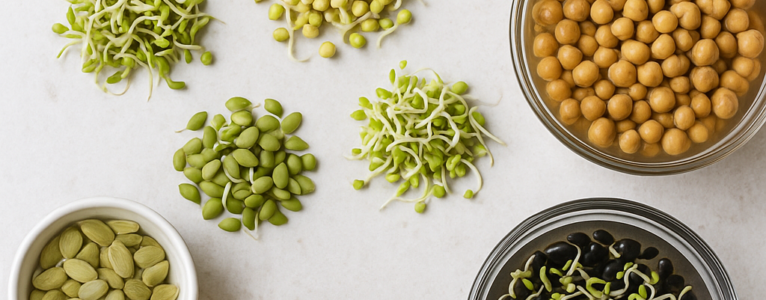
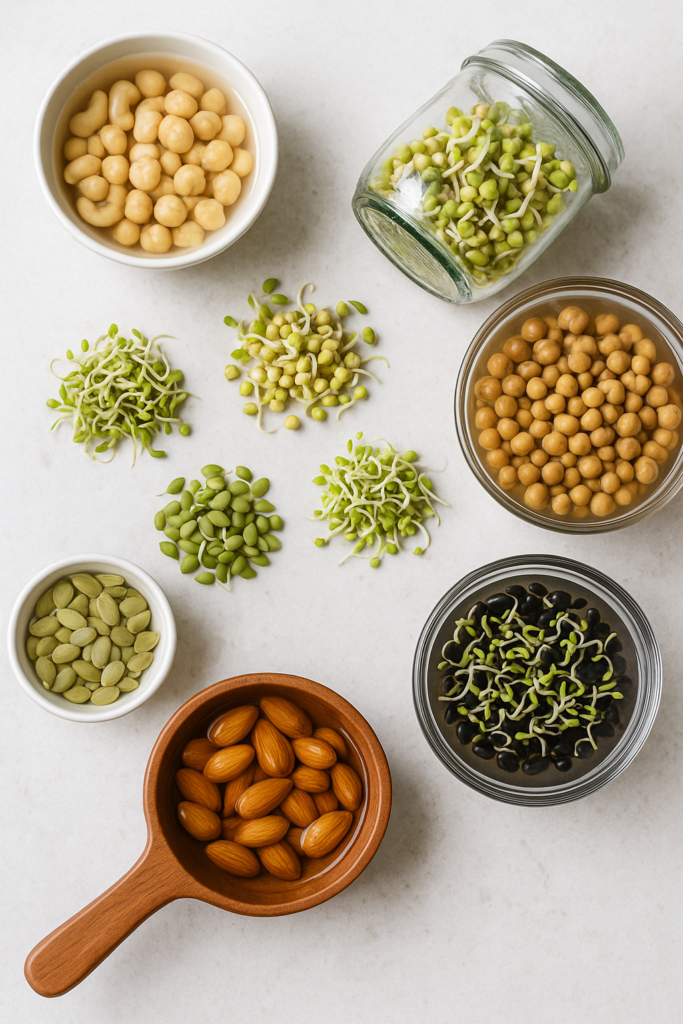
A Practical Guide for Making High-Lectin Ingredients Gentler, More Digestible, and More Nutritious
For thousands of years, before anyone talked about lectins or gut health, people simply knew that beans, nuts, and seeds needed preparation. They soaked chickpeas before cooking them, sprouted lentils to stretch their food supply, fermented soybeans into miso, and dried sprouted grains in the sun to make them edible. These techniques weren’t accidental; they were survival tools with ways to make plant foods digestible, nutritious, and safe.
Fast-forward to today, and our fast-paced culture often skips these traditional steps. We buy dried beans, dump them straight into the pot, or snack on nuts right out of the bag without thinking about what our ancestors intuitively understood. But plants don’t want to be eaten; many protect themselves with compounds like lectins, phytic acid, enzyme inhibitors, and tannins. While these aren’t inherently “bad,” they can be irritating or difficult to digest for many people.
Soaking and sprouting aren’t trendy gimmicks. They are time-tested methods that reduce these natural defense compounds while boosting nutritional availability. If you’re living low-lectin or simply trying to improve digestion, these simple steps can make a big difference.
This article walks you through the science, the techniques, and the practical steps for soaking and sprouting legumes, nuts, and seeds. No guesswork. No complicated equipment. Just straightforward, kitchen-friendly guidance.
Why Soaking and Sprouting Matters
Before getting into the “how,” it helps to understand the “why.” Both methods do something powerful: they bring dried plant foods back to life.
Soaking: The Reset Button
Soaking mimics rainfall. When seeds or beans absorb water, they awaken from dormancy, releasing enzymes that begin breaking down their natural protective layers. This can:
- Reduce lectins
- Lower phytic acid levels
- Neutralize enzyme inhibitors
- Improve mineral absorption
- Shorten cook time
- Enhance digestibility
Soaking doesn’t eliminate every lectin, but it’s one of the most effective first steps.
Sprouting: Turning Seeds Into Living Food
Sprouting takes soaking one step further. It activates growth. As soon as a tiny tail (called a radicle) appears, major biochemical changes occur:
Carbohydrates convert into simpler sugars
Proteins become easier to digest
Antinutrients drop dramatically
Vitamins, especially B and C, increase
The texture and flavor change
For people sensitive to beans, grains, or nuts, sprouting can make a noticeable difference in how the body responds.
Section I: How to Soak Legumes (Beans, Lentils, Peas)
Soaking legumes is one of the simplest and most effective steps to reduce lectins. You don’t need fancy equipment; just a bowl, water, and time.
Step 1: Rinse Thoroughly
Spread the beans on a tray, pick out any debris, then rinse under cool running water until the water is clear. This removes dust, stones, and surface contaminants.
Step 2: Choose Your Soaking Method
The Traditional Overnight Soak (Best for Digestion)
This is the gold standard.
- Place legumes in a large bowl.
- Cover with at least three times their volume in water.
- Add 1 teaspoon of salt or 1 tablespoon of lemon juice per 4 cups of water (optional but recommended to improve breakdown of hard-to-digest compounds).
- Soak 8–12 hours, or up to 24 for chickpeas or kidney beans.
The Quick-Soak Method (When You’re Short on Time)
This works, but is slightly less effective for lectin reduction.
- Bring beans and water to a boil.
- Turn off heat and let them sit for 1 hour.
- Drain and rinse.
Step 3: Drain and Rinse Again
After soaking, the water will be cloudy. This is good. It means the anti-nutrients have leached out. Drain fully and rinse until the water runs clear.
Step 4: Cook Properly
For low-lectin living, cooking method matters:
- Pressure cooking is strongly recommended.
- Harder beans (kidney, chickpeas, black beans) especially benefit from high-pressure, high-heat cooking.
A typical range is 20-40 minutes under pressure, depending on the bean.
Section II: How to Soak Nuts and Seeds
Many people assume nuts and seeds are “ready to eat,” but many varieties contain enzyme inhibitors and phytic acid that can make them difficult to digest.
Soaking, sometimes called “activating”, can help.
Step 1: Use Raw Nuts Only
Roasted, salted, or flavored nuts will not sprout or properly activate. Choose:
- Raw almonds
- Raw walnuts
- Raw pecans
- Raw pumpkin seeds
- Raw sunflower seeds
Cashews, due to their processing, require shorter soaking and should not be sprouted.
Step 2: Add Salted Water
Salt helps neutralize tannins and improves texture.
Recommended ratio:
1 teaspoon sea salt per 4 cups of water
Soaking times vary:
- Almonds: 8–12 hours
- Walnuts: 4 hours
- Pecans: 4–6 hours
- Pumpkin seeds: 6–8 hours
- Sunflower seeds: 1–2 hours
- Cashews: 2 hours max
Step 3: Rinse and Dry
Once soaking is complete:
- Drain the nuts.
- Rinse thoroughly.
- Dry them very well, either on a towel or in the oven at 170°F (lowest setting) for a few hours.
If not dried, nuts can spoil quickly.
Section III: How to Sprout Legumes, Nuts, and Seeds
Sprouting is simple, but it requires consistency. The good news? You do not need expensive jars or trays. A mason jar, mesh lid (or a cloth secured with a rubber band), and patience are enough.
What You Can Sprout
Perfect for beginners:
- Lentils
- Mung beans
- Chickpeas
- Adzuki beans
- Broccoli seeds
- Alfalfa seeds
- Clover seeds
- Radish seeds
What You Should NOT Sprout
For safety, avoid sprouting:
- Kidney beans
- Soybeans (unless you plan to cook afterward)
Step 1: Begin with Soaking
Even sprouting starts with a soak.
- Rinse your legumes/seeds.
- Place in a jar and cover with water.
- Soak 8–12 hours depending on the seed.
Small seeds (alfalfa, broccoli) may only need 4–6 hours.
Step 2: Drain and Invert
After soaking, drain completely.
Then:
- Invert the jar at an angle to allow airflow.
- Keep it in a cool, dark spot (like a cabinet or counter corner).
Darkness encourages sprouting; sunlight comes later.
Step 3: Rinse and Drain Twice Daily
This is the heart of sprouting.
Morning and evening:
- Fill the jar with cool water.
- Swirl gently.
- Drain thoroughly and return it to the inverted position.
This prevents mold, keeps sprouts hydrated, and accelerates growth.
Step 4: Watch for Tails
Sprouts typically appear:
- Lentils: 1–2 days
- Mung beans: 2–3 days
- Chickpeas: 1–2 days
- Broccoli/alfalfa: 3–5 days
Once the tiny white root is about the length of the seed, the sprout is ready.
If sprouts smell off, feel slimy, or show fuzzy growth, discard and start fresh.
Step 5: Optional Sunlight Exposure
For sprouts like broccoli or alfalfa, placing them in indirect light for a few hours can turn the leaves green. This boosts chlorophyll and freshness.
Step 6: Store Properly
Sprouts spoil faster than soaked foods.
Storage tips:
- Dry completely before refrigerating.
- Store in a breathable container (glass preferred).
- Use within 3–5 days.
Section IV: Safety Tips and Lectin Considerations
Sprouting is powerful, but certain legumes have high lectin levels when raw. Here’s how to sprout safely while staying low-lectin–friendly.
1. Always cook sprouted beans (except lentils and mung beans) – Chickpeas, for example, can be sprouted but they must be cooked afterward using a pressure cooker.
2. Avoid sprouting kidney beans – Raw or undercooked kidney beans contain a lectin called phytohemagglutinin, which is toxic. Do not sprout them.
3. Rinse often – This prevents bacterial growth.
4. Keep things clean – Sterilize jars between batches.
5. Sprout in smaller batches – Sprouts don’t last long. Make only what you’ll use in a few days.
Section V: Choosing the Right Method for the Right Food
Not all legumes, nuts, and seeds benefit equally from soaking or sprouting. Here’s a quick breakdown.
Best Candidates for Soaking Only
These foods should be soaked before cooking but not sprouted:
- Kidney beans
- Black beans
- Pinto beans
- Navy beans
- Lima beans
These contain lectins that remain unsafe when sprouted raw.
Best Candidates for Sprouting
These sprout easily and safely:
- Lentils
- Mung beans
- Adzuki beans
- Chickpeas (sprout, then cook)
- Broccoli seeds
- Radish seeds
- Alfalfa seeds
Nuts and Seeds That Can Be “Activated” but Not Sprouted
These soften beautifully with soaking but do not sprout:
- Almonds (will swell but not produce a tail)
- Cashews
- Pecans
- Walnuts
- Brazil nuts
Soaking still improves digestibility.
Section VI: Step-by-Step Quick Reference Guide
Below is a condensed step-by-step chart for fast use.
How to Soak (General Method)
- Rinse thoroughly.
- Cover with 3× water.
- Add salt or lemon juice (optional).
- Soak 4–12 hours depending on the food.
- Drain and rinse.
- Cook or dry as needed.
How to Sprout (General Method)
- Soak seeds/beans overnight.
- Drain and invert jar.
- Rinse and drain twice daily.
- Wait 1–5 days depending on seed.
- Use immediately or store short-term.
Section VII: How to Use Soaked and Sprouted Foods in Your Meals
Once soaked or sprouted, your legumes, nuts, and seeds become incredibly versatile.
Use Them In:
- Salads
- Stir-fries
- Buddha bowls
- Soups and stews
- Homemade hummus (sprouted chickpeas + pressure cooking = silky smooth)
- Trail mixes
- Smoothie toppings
- Homemade nut milks
- Grain-free granola
- Sandwich toppings
- Fermentation projects like sprouted-bean tempeh
Sprouted lentils are especially forgiving. They can be eaten raw, lightly sautéed, or fully cooked.
Sprouted mung beans add crunch to salads and bowls.
Sprouted broccoli seeds are nutrient powerhouses and make a fantastic finishing touch for any meal.
Section VIII: Benefits You May Notice
People often report changes after incorporating soaked and sprouted foods into their routine:
- Less bloating
- Better digestion
- More sustained energy
- Improved texture and flavor
- Better tolerance of foods that previously caused discomfort
For those sensitive to lectins, soaking and sprouting can be the difference between “I can’t eat beans” and “Beans are back on the menu.”
Final Thoughts
Soaking and sprouting legumes, nuts, and seeds isn’t about following a fad. It’s about reclaiming food traditions that modern convenience has pushed aside. These techniques make plant foods gentler, more digestible, and often more nutritious. They also bring you closer to the natural rhythms of food preparation that cultures all over the world have used for generations.
Whether you’re living low-lectin, optimizing nutrition, or simply wanting to feel better after meals, soaking and sprouting are simple habits with big rewards. With a bowl, some water, and a few minutes of attention each day, you can transform humble legumes and seeds into vibrant, living foods.
If you want to level up your kitchen, improve gut health, or make high-lectin foods easier to enjoy, this is one of the most effective and empowering places to start.