

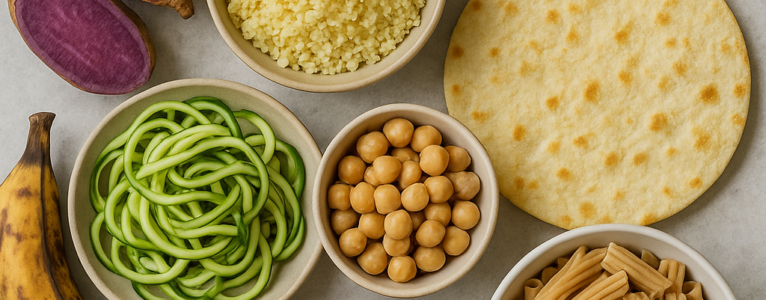
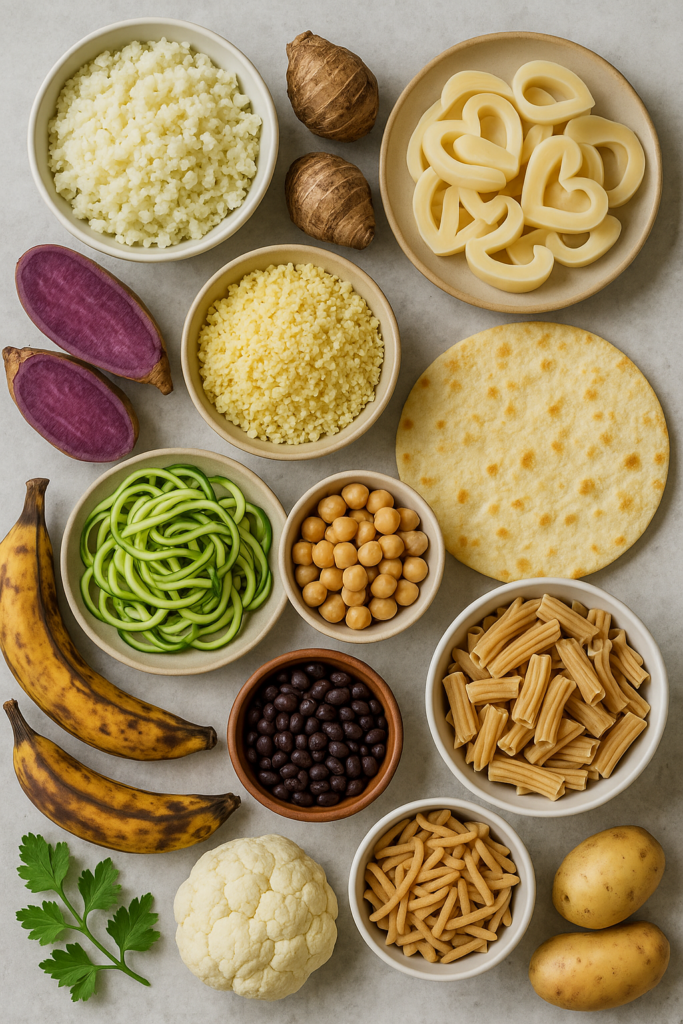
Making any dietary shift can feel like stepping into unfamiliar territory, but moving away from high-lectin staples has its own emotional weight. These foods like beans, lentils, wheat-based breads, traditional pastas, nightshade-heavy dishes, and the go-to comfort meals built around them, often hold deep cultural, practical, and nostalgic value. It’s not just food we’re adjusting; it’s habit, routine, and sometimes even identity. That’s why the fear of deprivation often overshadows the excitement of improvement.
But here’s the truth many people don’t realize until they’re well into their low-lectin journey: removing high-lectin staples doesn’t mean removing comfort, enjoyment, or satisfaction. In fact, the transition can expand your creativity, deepen your understanding of flavor and texture, and unlock new foods you may never have considered before. Deprivation isn’t an inevitable part of the process. It’s a mindset shaped by familiarity, not reality.
The goal isn’t to simply replace foods you can no longer eat. It’s to reshape your kitchen in a way that feels abundant, flexible, and genuinely enjoyable.
Below is a compassionate, practical roadmap for transitioning off high-lectin staples without feeling like you’ve lost something, because in truth, you’re gaining clarity, energy, and a whole new palate to explore.
The Emotional Side of Letting Go of Staples
Every dietary shift begins in the brain long before it shows up on your plate. High-lectin staples often offer comfort because they are:
- Predictable. You know how they cook, how they taste, and how they make you feel, at least emotionally.
- Cultural touchpoints. Family recipes, holiday traditions, childhood meals, and routines are often built around bread, beans, rice, tomato sauces, or potato-based dishes.
- Convenient. Wheat pasta boils quickly, bread can be grabbed for any meal, and potatoes store easily.
- Associated with fullness. Many high-lectin foods create a quick feeling of satiety due to starch, even if they leave you bloated or inflamed later.
When people remove them, they often describe feeling like something familiar has been taken away, not something inherently superior.
So before even approaching substitutions, it’s helpful to acknowledge that the sense of loss isn’t a flaw in your willpower. It’s a natural byproduct of disrupting habit loops. Once you understand that, you’re free to build new loops that serve your long-term comfort rather than your short-term cravings.
Why Deprivation Happens and Why It Doesn’t Have to
Feeling deprived isn’t actually caused by removing foods; it’s caused by restricting options without replacing them in meaningful ways. When you tell yourself:
“I can’t have bread,” instead of “I have five new low-lectin breads I enjoy,”
your brain frames the change as a loss instead of a refresh. The key to a smooth transition isn’t discipline. It’s strategic abundance. The more options you have, the more your brain shifts from:
“I’m losing my favorite foods,” to “I’m discovering better versions of them.”
You’re not here to starve your cravings. You’re here to retrain them.
Step One: Understand What Purpose Each Staple Served
Before choosing alternatives, identify why each high-lectin food was valuable in your diet. Staples serve functions beyond flavor.
Here are the most common roles they play:
1. Bulk and Satiety
- Rice, beans, lentils, pasta, potatoes
These give meals staying power.
2. Texture and Structure
- Bread for sandwiches
- Tortillas for wraps
- Pasta for holding sauce
- Potatoes for thickening soups or serving as the meal “base”
3. Cultural Familiarity
Foods tied to identity require thoughtful replacements rather than quick swaps.
4. Speed and Convenience
Many high-lectin staples are quick, predictable, and easy to store.
Once you identify which of these needs you’re trying to meet, you can choose transitions that feel natural instead of forced.
Step Two: Build Low-Lectin Replacements That Truly Satisfy
This is where the sense of abundance comes in. Instead of removing a staple and hoping the rest of your meal fills the gap, create new anchors, foods that reliably take up space in your diet the way the old ones did.
1. Replacing Wheat-Based Breads and Wraps
Bread is one of the hardest staples to release emotionally because it’s everywhere and accompanies almost everything. The trick is not to find one perfect replacement. It’s to build a rotation.
Try:
- Cassava flour flatbreads – Soft, chewy, and perfect for tacos or wraps.
- Arrowroot or coconut-flour naan – Great for scooping curries or topping with spreads.
- Almond-flour or cassava-flour sandwich loaves – Homemade versions avoid gums and additives.
- Crisp cassava crackers – For snacks and crunchy textures.
By alternating between several options, you avoid comparison fatigue, where a single substitute never lives up to the “real thing.” Soon, these become familiar in their own right.
2. Replacing Pasta
Traditional pasta is tied to comfort, speed, and sauce delivery. Luckily, the low-lectin world has plenty of alternatives that don’t feel like sacrifices.
- Pressure-cooked millet pasta (lectins neutralized with proper heat)
- Cassava-based pasta, shockingly close to wheat in texture
- Spiralized vegetables (zoodles, cucumber noodles, daikon noodles) for lighter meals
- Hearts of palm pasta, great for cold dishes or creamy sauces
The biggest surprise for many? Cassava and millet pasta aren’t “pretend pasta”. They are pasta, just made from different plants.
3. Replacing Potatoes
Potatoes are filling, versatile, and emotionally comforting, so replacing them requires depth.
Try:
- Japanese sweet potatoes (lectin-friendly with the right cooking method)
- Taro
- Plantains, ripe or green, baked or fried
- Cauliflower mash
- Butternut squash cubes roasted until caramelized
Each provides bulk, sweetness, or starchiness without the inflammatory aftermath many people experience with potatoes.
4. Replacing Rice
Rice is often used as a neutral base for meals. Alternatives include:
- Riced cauliflower sautéed with herbs
- Riced broccoli (for variety)
- Riced hearts of palm, shockingly similar when seasoned well
- Millet “pilaf”, the closest low-lectin alternative to rice in structure
Cauliflower rice wins for convenience, but millet wins for texture.
5. Replacing Beans and Lentils
High-lectin legumes are one of the core foods people assume they’ll miss the most but once they learn pressure-cooking neutralizes many lectins, a new world opens.
Options:
- Pressure-cooked chickpeas, then roasted or blended
- Pressure-cooked black beans for people who tolerate them well
- Fermented lentil products, which reduce lectin activity dramatically
- Cauliflower-based “rice and beans” bowls for the flavor profile without the lectins
If you’re sensitive even to pressure-cooked legumes, try:
- Mushroom-based “meaty” substitutes
- Walnut taco crumbles seasoned with chili and cumin
- Diced eggplant sautéed until soft for Mediterranean dishes
There is no single legume substitute. There are dozens depending on the texture you want.
Step Three: Master Flavor So You Never Miss the Old Staples
Here’s the secret to not feeling deprived. You’re not craving the food itself, you’re craving the experience it creates.
Most people don’t crave “pasta.”
They crave:
- creaminess
- garlic
- warmth
- the cozy, saucy richness
Most people don’t crave “bread.”
They crave:
- something to hold toppings
- crispness or softness
- saltiness
- that comforting, warm smell
When you learn to build flavor experiences rather than imitate the food exactly, deprivation disappears. To keep meals exciting, focus on:
Acidity – Lemon, vinegar, lime; bright flavors make substitutes feel intentional rather than “less than.”
Texture – Crunch, chew, crisp, creamy, use contrast to create satisfaction.
Seasoning – If you master seasoning, even cauliflower rice becomes addictive.
Fat – Olive oil, avocado oil, tahini, nut butters, and ghee help meals feel grounding and indulgent.
Heat – Spices, herbs, and aromatics make dishes feel comforting in ways lectins never will.
Don’t just swap ingredients, upgrade your entire cooking palate.
Step Four: Use Transition Dishes That Bridge the Old and New
This is a powerful psychological tool. Instead of going cold turkey, you create hybrid meals that slowly shift your preferences.
Examples:
- Half cauliflower rice + half millet, before switching entirely
- Mixing cassava pasta with a small portion of old pasta during the first week
- Using cassava tortillas for lunch while keeping familiar breakfasts
- Replacing potatoes at dinner but keeping breakfast sweet potatoes
These bridges build familiarity and reduce overwhelm. It’s not about speed, it’s about sustainability.
Step Five: Build Rituals Around New Staples
People underestimate how much ritual shapes food enjoyment. If your old staples had rituals like Sunday spaghetti, Taco Tuesday, potato-heavy holiday meals, create new ones.
Try:
- Friday cassava-crust pizza night
- Roasted Japanese sweet potato brunches
- Millet “risotto” nights
- Cassava-wrap tacos with new fillings
When a new food gains its own ritual, it becomes a comfort food in its own right.
Step Six: Keep Convenience on Your Side
One of the biggest reasons people slide back into high-lectin staples isn’t craving, it’s convenience.
To prevent that scenario:
Stock your freezer and pantry intentionally:
- Pre-made cassava tortillas
- Frozen cauliflower rice
- Hearts of palm pasta
- Canned chickpeas for pressure-cooking
- Pre-cut vegetables
- Japanese sweet potatoes ready to roast
Batch cook the new staples:
- Roast multiple sweet potatoes
- Make a large pan of cassava flatbread
- Cook millet for the week
- Blend a batch of lectin-friendly sauces
When the low-lectin choices are quicker than the old ones, the transition becomes nearly effortless.
Step Seven: Shift Your Internal Narrative
One of the most empowering parts of the transition is reframing the story you tell yourself:
- You’re not “giving up bread.” – You’re choosing foods that make you feel better.
- You’re not “missing pasta.” – You’re exploring options that digest smoothly and taste clean.
- You’re not “avoiding beans.” – You’re deciding which foods support your long-term health and energy.
Health isn’t about restriction. It’s about alignment.
The more you reinforce the positive reasons behind your choices, the less emotional weight the old staples carry.
Step Eight: Stay Curious Instead of Judgmental
The people who transition the most easily share a single trait: curiosity.
They experiment, taste, adjust, retry, reinvent. They see the diet not as a box but as a playground.
Instead of thinking:
- “This doesn’t taste like wheat bread,”
they think:
- “This is interesting, what could I pair it with to make it amazing?”
Curiosity eliminates deprivation because it reframes the transition as an exploration.
You’re not losing options. You’re gaining possibilities.
Step Nine: Celebrate the Wins That Have Nothing to Do With Food
The easiest way to feel deprived is to focus only on what’s missing from your plate. The easiest way to feel empowered is to focus on what has improved in your body.
Pay attention to:
- reduced bloating
- clearer skin
- fewer energy crashes
- improved digestion
- less joint discomfort
- clearer mental focus
- stable appetite
- better sleep
Every improvement reinforces the truth: You’re not losing anything. You’re trading up.
Step Ten: Allow Time for Your Taste Buds to Reset
Taste buds actually regenerate, and they adapt more quickly than people expect. What tasted bland or unusual in week one often tastes comforting by week four.
Meanwhile, the foods you once relied on may begin to feel heavy, overly salty, or too processed once you revisit them later.
The transition isn’t just physical. It’s sensory. Give your palate space to evolve.
Final Thoughts: You Deserve a Low-Lectin Lifestyle That Feels Abundant, Not Restrictive
Transitioning off high-lectin staples isn’t about taking things away, it’s about discovering a new rhythm of eating that aligns with your body’s needs. With strategy, variety, and mindset shifts, deprivation never has to enter the picture.
You’re creating:
- new rituals
- new comfort foods
- new favorites
- new forms of nourishment
- a new relationship with your health
And the best part? Once you realize how good you can feel, the old staples stop feeling like “comfort foods” at all. This isn’t the end of enjoyment. It’s the beginning of a more vibrant, energized version of it.