

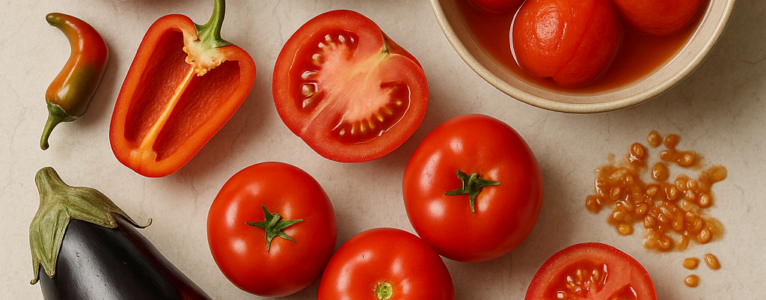
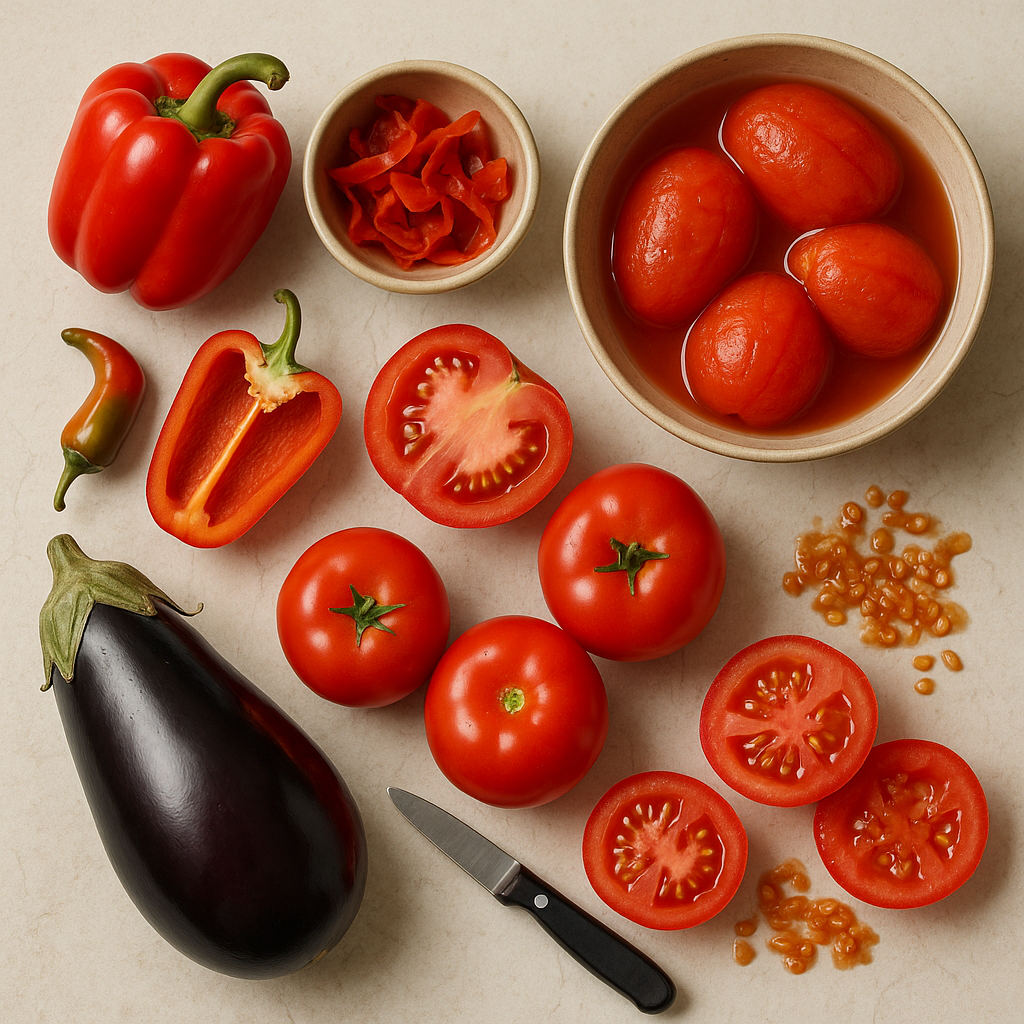
For most people, peeling a tomato or scooping seeds from a pepper feels like extra kitchen work or one of those fussy steps that old cookbooks recommend but modern cooking shows tend to skip. Yet for anyone exploring a low-lectin lifestyle or simply trying to reduce digestive discomfort, peeling and deseeding nightshade vegetables isn’t just culinary tradition; it’s a targeted strategy rooted in how plants defend themselves and how human digestion responds to different plant structures.
Nightshades like tomatoes, peppers, eggplants, and even some varieties of potatoes, are flavorful, versatile, and deeply woven into global cuisines. But these same vegetables also contain lectins, naturally occurring proteins that help plants ward off pests and environmental stressors. For many individuals, particularly those with gut sensitivity, autoimmune concerns, or inflammation issues, lectins can be a trigger. Understanding which parts of the plant hold the highest concentration of these compounds and learning how to remove them can make the difference between enjoying these foods comfortably or avoiding them entirely.
Peeling and deseeding might feel like a small adjustment, but that small adjustment works like opening the door to a gentler, more gut-friendly version of nightshades. This guide walks you through why it matters, how to do it effectively, and how to integrate these techniques into everyday cooking without losing the flavors you love.
Understanding Where Lectins Live: A Look Inside Nightshades
Before diving into technique, it helps to understand how nightshades are structured. Plants don’t distribute lectins evenly like nutrients; they locate them strategically. Two areas are especially relevant:
1. The Skin
The skin of nightshades is built for protection. It defends the plant from insects, pathogens, and UV exposure. This outer layer tends to be thicker, more fibrous, and more resistant to digestion.
Because lectins play a protective role, the skin naturally contains higher concentrations of them. When you peel the vegetable, you are literally removing the layer designed to resist digestion.
For people with sensitive guts or those trying to experiment with reducing lectin exposure, peeling is one of the most straightforward ways to lighten the digestive load.
2. The Seeds
Seeds are the plant’s future lineage, so they, too, receive special biochemical defenses. Seeds in nightshades are not only high in lectins but are also surrounded by membranes containing other compounds that may irritate the digestive system for susceptible individuals.
Removing seeds therefore reduces:
- Lectin content
- Irritating fibers
- Potential triggers for acid reflux
- Certain bitter or astringent flavors
If you’ve ever made homemade tomato sauce and strained out the seeds, you’ve already tasted the difference: smoother texture, sweeter flavor, and gentler digestion.
Why Peeling and Deseeding Helps: The Digestive Perspective
Nightshades aren’t inherently “bad.” Many people enjoy them without issue, and they offer valuable nutrients like vitamin C, carotenoids, and antioxidants. The goal of peeling and deseeding isn’t to villainize nightshades. It’s to help people access their nutritional benefits with fewer downsides.
Here’s what changes when the skins and seeds are removed:
1. Reduced Lectin Exposure – Removing lectin-dense parts means potentially fewer digestive irritants and inflammatory triggers. For anyone experimenting with elimination diets or exploring anti-inflammatory nutrition, this small step can be meaningful.
2. Softer Digestive Experience – Even without lectins in the conversation, skins and seeds can be difficult to break down. They may pass through the digestive tract largely intact, which isn’t comfortable for everyone.
Peeling and deseeding creates:
-
- Smoother sauces
- Gentler soups
- Easier-to-process salads
It’s a texture upgrade and a digestive upgrade rolled into one.
3. Better Flavor and Cooking Results – Tomato skins tend to curl, separate, and toughen when heated. Peppers can release bitterness from seeds or membranes. Eggplant skins can stay leathery even after long cooking.
Removing these parts helps food cook evenly and taste better, something chefs have known long before “low lectin” was a widespread phrase.
4. More Control for Sensitive Individuals – If you’re still testing your personal tolerance to nightshades, peeling and deseeding lets you enjoy them in a controlled, lower-lectin form rather than eliminating them entirely. It’s a way to participate in beloved dishes like pasta sauces, curries, stews, salsa without the guesswork.
Which Nightshades Benefit Most?
Not all nightshades have the same structure. Here’s how peeling and deseeding applies across the board.
Tomatoes
These benefit the most from both peeling and deseeding.
Tomato skins contain concentrated lectins, and the gelatinous pockets around the seeds contain compounds that may irritate sensitive guts.
Best uses for peeled/deseeded tomatoes:
- sauces
- soups
- chilies
- casseroles
- fresh salsas
Bell Peppers and Sweet Peppers
Peppers have thin skins, but those skins are still resistant to heat and digestion. Their seeds and membranes also carry the strongest, sometimes bitter flavors and a higher lectin concentration.
Best uses for peeled/deseeded peppers:
- roasted pepper spreads
- fajitas with tender pepper strips
- fajita bowls
- omelets
- stir-fries
Hot Peppers
These apply the same principles as bell peppers, though deseeding is particularly key if you want less heat along with fewer lectins.
Eggplants (Aubergines)
Eggplant skins can be tough depending on the variety. Peeling helps the flesh break down smoothly into stews, dips, and purees.
Best uses:
- baba ganoush
- ratatouille
- eggplant curries
- moussaka
Potatoes
Most potatoes aren’t typically deseeded, but peeling does help.
Lectin concerns primarily apply to the skin, not the flesh.
How to Peel and Deseed: Practical Techniques That Actually Work
Many people assume this process will be fussy, slow, or messy but with the right technique, peeling and deseeding doesn’t add much time in the kitchen. Below are the easiest approaches for each type of nightshade.
Tomatoes: The Blanch & Peel Method
This is the gold standard for removing skins quickly.
How to do it:
- Boil a pot of water.
- Prepare a bowl of ice water.
- Score a small “X” at the bottom of each tomato.
- Drop tomatoes into boiling water for 10–20 seconds.
- Transfer them to ice water to stop the cooking.
- The skins should now slip off effortlessly.
- Cut the tomato horizontally and scoop out seeds with a spoon or your fingers.
Why it works:
The heat loosens the bond between the skin and the flesh without cooking the tomato.
When to use it:
Any time you’re making sauce, soup, salsa, or chili.
Peppers: The Roast & Steam Technique
Roasting does the hard part for you.
How to do it:
- Place whole peppers on a baking sheet.
- Roast at 450°F until the skins blister and darken.
- Transfer them to a bowl and cover with foil.
- Let them steam for 10 minutes.
- Peel off the loosened skin.
- Cut open the pepper and scrape out seeds and membranes.
Why it works:
The blistering separates the skin from the flesh, and the steam softens everything.
Bonus:
This technique intensifies sweetness and flavor.
Eggplants: The Simple Vegetable Peeler Method
Eggplants don’t require blanching or roasting unless that’s part of the recipe.
How to do it:
Just use a standard vegetable peeler to remove the skin. If the eggplant is older, you might peel a slightly thicker layer to remove fibrous areas.
Deseeding:
If the eggplant has large, mature seeds (common in oversized eggplants), slice it open and scoop out the center.
Hot Peppers: Safety First
Seeds and membranes hold both heat and lectins.
How to do it:
- Wear gloves.
- Cut off the top.
- Slice the pepper lengthwise.
- Scrape out seeds and membranes with a spoon.
This reduces both the heat level and digestive difficulty.
How Peeling and Deseeding Fits Into a Low-Lectin Lifestyle
This practice is one of the simplest adjustments within low-lectin cooking, right up there with soaking beans and choosing pressure cooking for certain ingredients. The goal isn’t strict elimination, but modification.
Why this method is sustainable:
- It allows you to enjoy favorite dishes without quitting nightshades entirely.
- It dramatically reduces lectin concentration in a measurable way.
- It removes parts of the vegetable that many people find irritating even outside a low-lectin diet.
- It blends seamlessly into everyday cooking.
Instead of feeling restricted, many people actually expand their recipe options once they realize they can prepare nightshades more strategically.
Common Questions About Peeling and Deseeding Nightshades
“Do I have to peel every tomato or pepper I eat?”
Not necessarily. If you only eat nightshades occasionally and haven’t noticed symptoms, you may not need to peel them every time.
For people with autoimmune issues, IBS, or inflammation concerns, consistency tends to matter more.
“Does cooking alone reduce lectins?”
It helps, but not enough for sensitive individuals.
Peeling + deseeding + heat = the most effective combination.
“Do I lose nutrients by peeling?”
Some nutrients exist in the skin, but the tradeoff for better digestion is often worth it. You’re still getting plenty of vitamins, minerals, and antioxidants from the flesh.
“What about canned tomatoes?”
Many canned tomatoes are already peeled, which is convenient.
However, seeds are often still present unless labeled as “strained” or “passata.”
A More Comfortable Way to Enjoy Nightshades
Food should be enjoyable, not stressful. For people who experience sensitivity to nightshades or who simply want to experiment with lowering lectin exposure without abandoning beloved recipes, peeling and deseeding offers a middle ground that’s practical, low effort, and surprisingly transformative.
Once you begin using these techniques, you’ll notice:
- Smoother textures
- Better flavor
- Less digestive heaviness
- More confidence in how nightshades fit into your lifestyle
The change is small, but the benefits can ripple outward into better meals and better well-being.
If adopting a low-lectin lifestyle feels like a big shift, think of peeling and deseeding as one of the easiest on-ramps or a way to adapt rather than restrict, and to welcome foods back onto your plate in a gentler, more compatible form.