The Science Behind Boiling and Discarding Water
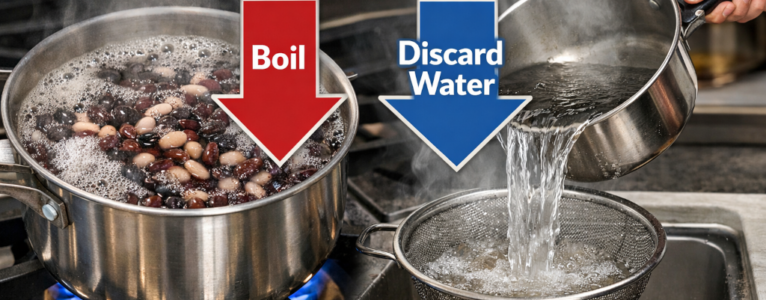
One of the simplest instructions you will see repeated in traditional cooking, ancestral food preparation, and modern low-lectin guidance is this: boil the food and discard the water.

The way you prepare food can dramatically change lectin levels, nutrient availability, and digestive comfort. In this category, you’ll learn essential low-lectin cooking techniques like pressure cooking, fermentation, soaking, sprouting, peeling, deseeding, and more. Each method is explained step-by-step so you can apply it confidently at home.
These guides help you transform high-lectin foods into gentler, gut-friendly options and maximize flavor along the way. If you’re looking to build your skills and master the low-lectin kitchen, start here.
One of the simplest instructions you will see repeated in traditional cooking, ancestral food preparation, and modern low-lectin guidance is this: boil the food and discard the water.
Freezing is one of the most common food preservation methods in the modern world. It is quiet, convenient, and largely invisible once food is tucked away behind a freezer door.
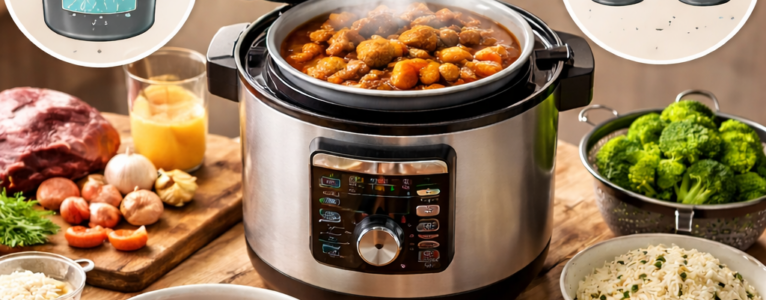
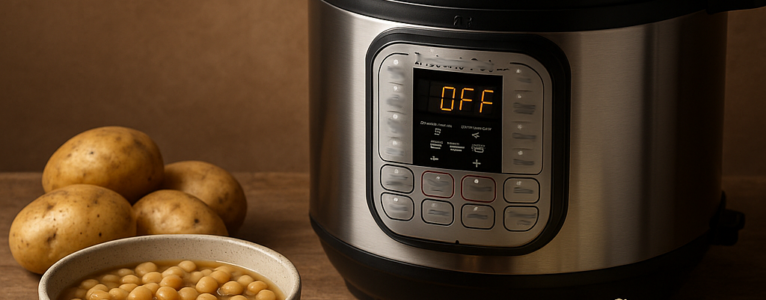
Pressure cooking often enters people’s kitchens with a mix of excitement and hesitation. On one hand, it promises faster meals, deeper flavors, and improved nutrient retention.
Sprouting grains and legumes has been practiced for thousands of years, long before nutrition science had the tools to explain why it worked.
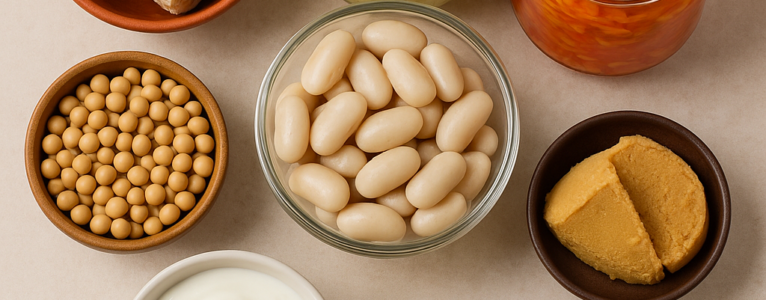
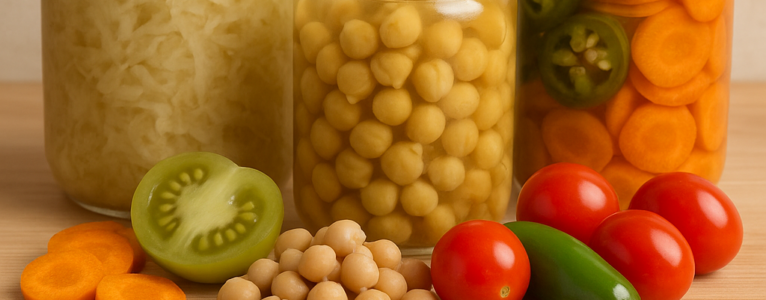
Fermentation is one of the oldest food preservation methods known to humanity, yet it continues to surprise modern researchers with how profoundly it reshapes the chemistry of what we eat. When it comes to high lectin foods, fermentation does something especially interesting. It transforms ingredients that may trouble sensitive individuals …
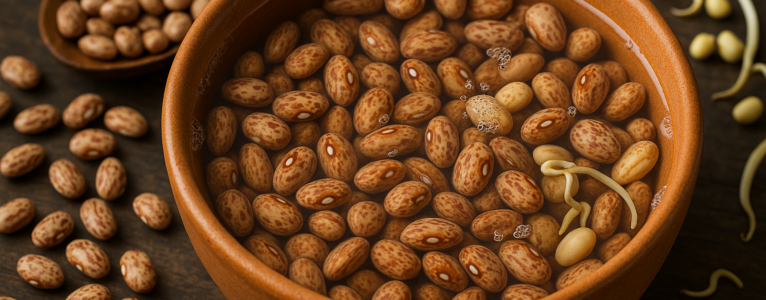
For generations, soaking has been part of traditional food preparation. Long before home cooks ever heard the word lectin, people were soaking beans overnight, rinsing grains before cooking, and softening nuts in water until they loosened and swelled.
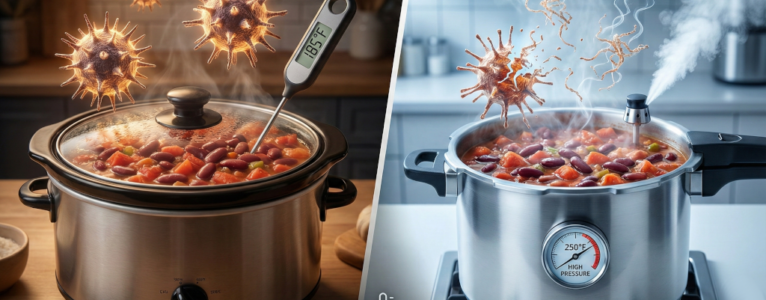
Slow cookers have earned a cozy reputation. They promise convenience, comfort food, and the satisfaction of letting dinner quietly make itself while you tend to the rest of your day.
The first time you watch a jar of vegetables quietly bubble away on your counter, it’s hard not to feel like something ancient is waking up in your kitchen.
Pressure cooking has found its way back into modern kitchens, not simply for convenience, but for its powerful ability to transform foods that otherwise cause digestive distress.