Restaurant Ingredients That Cause the Most Confusion
Eating low lectin at home is challenging enough. You control the ingredients, the cooking methods, the soaking time, the pressure cooker, the sourcing.

Choosing the right ingredients is easier when you have clear, organized references at your fingertips. This category offers lectin-safe food lists, shopping guides, substitution charts, and product breakdowns to help you navigate the grocery store with confidence. You’ll learn which foods support a low-lectin lifestyle and how to replace common high-lectin ingredients without sacrificing taste.
These resources are practical, printable, and grounded in real-world experience. Use this section anytime you’re planning meals or stocking your pantry.
Eating low lectin at home is challenging enough. You control the ingredients, the cooking methods, the soaking time, the pressure cooker, the sourcing.
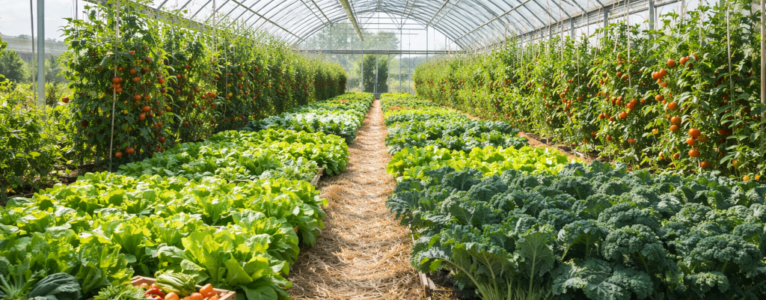
For many people trying to eat healthier, the word organic has become shorthand for safe, clean, and better for the body.
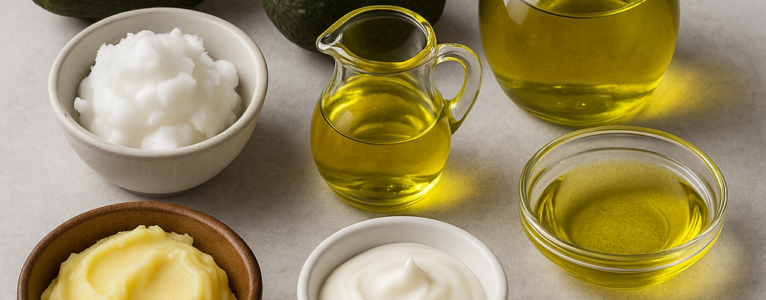
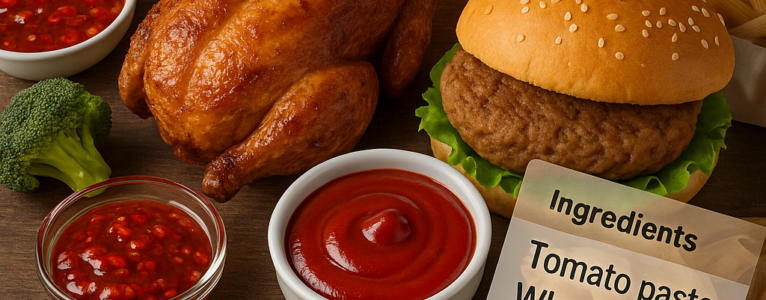
Most people don’t ruin a low-lectin meal with a bad protein choice or a reckless side dish. They ruin it quietly, one spoonful at a time, with condiments.
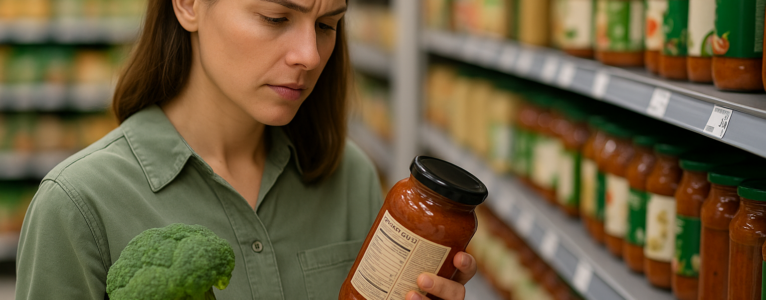
There is something deeply reassuring about a clean label. A short ingredient list feels honest. Familiar words feel safe.
One of the most confusing moments for people exploring a low-lectin lifestyle comes when they do “everything right” and still feel wrong. The ingredients check out. The food is technically low-lectin.
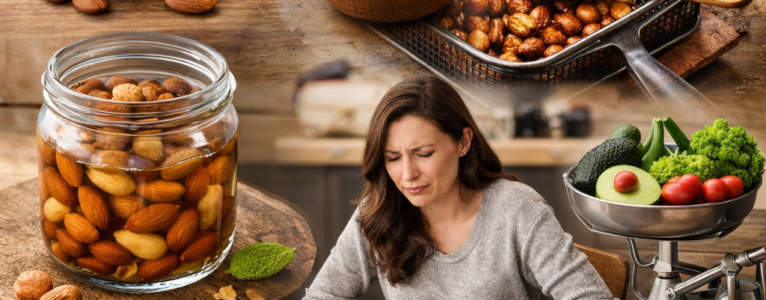
Nuts often sit in a strange nutritional gray area. They are widely praised for their healthy fats, minerals, and plant compounds, yet they are sometimes questioned by people who are sensitive to lectins or trying to reduce dietary irritants.
For many people adopting a low-lectin lifestyle, the biggest surprise is not giving up obvious foods like beans or wheat. It is realizing how often lectins appear in places you never expected. Sauces, spice blends, protein bars, plant milks, supplements, and even foods marketed as “healthy” or “clean” can contain …
When people first shift toward low lectin eating, they usually focus on the obvious swaps. They rethink bread, beans, nightshades, and the usual “quick” staples.
For many people exploring a low lectin or lectin cautious lifestyle, the nightshade family becomes one of the earliest puzzle pieces to examine.
Most people imagine lectins as something you can spot with the naked eye; big, bold, obvious. A pot of beans simmering on the stove. A plate of tomatoes glistening with olive oil.